Beard Transplant in Turkey
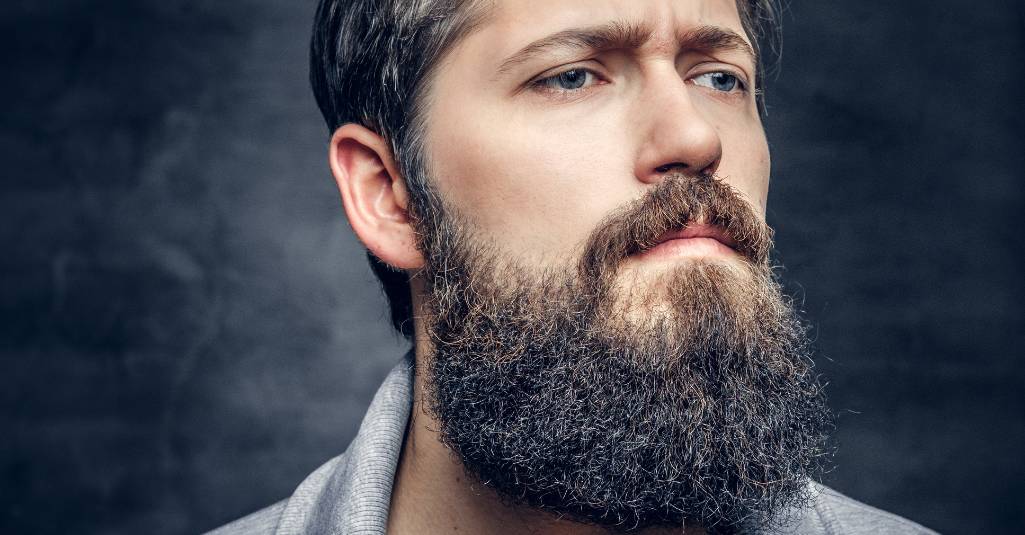
A beard transplant in Turkey is a permanent hair restoration procedure designed to improve the density, shape, and definition of the beard and moustache. It can help men who experience patchy or uneven facial hair, naturally thin beard growth, or areas affected by scars.
At Turkeymed, beard transplantation is individually planned according to each patient's facial structure, existing beard pattern, donor hair availability, and desired appearance. Depending on the patient's needs, the procedure can be performed using Sapphire FUE or DHI techniques to achieve precise and natural-looking results.
What Is a Beard Transplant?
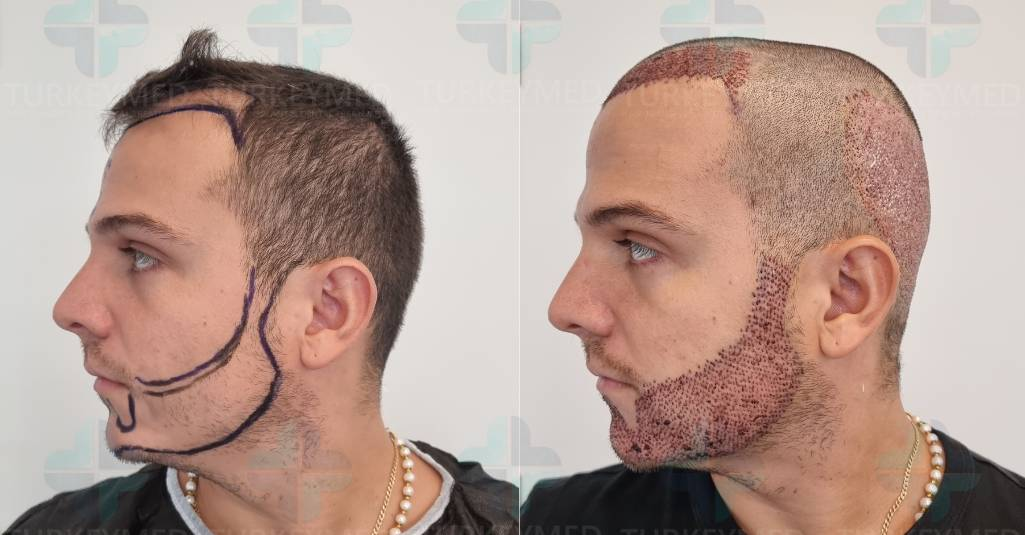
A beard transplant involves transferring healthy hair follicles from a donor area, usually the back or sides of the scalp, to areas of the face where beard growth is insufficient.
The transplanted follicles are carefully placed according to the natural direction and angle of beard growth. This is particularly important because facial hair grows at different angles and patterns compared with scalp hair.
A properly planned beard transplant can improve:
Beard density
Patchy areas
Moustache thickness
Sideburn definition
Goatee and chin areas
Facial scars with reduced or absent hair growth
Overall beard shape and symmetry
Because the transplanted follicles are taken from a permanent donor area, the new beard hairs are designed to provide long-lasting, natural-looking growth.
Who Is a Good Candidate for a Beard Transplant?
A beard transplant may be suitable for men who have:
Patchy or uneven beard growth
Naturally thin facial hair
Areas with little or no beard growth
A thin moustache or goatee
Facial scars that affect hair growth
Asymmetry between the two sides of the beard
A desire for a fuller or more defined beard
A sufficient donor supply is an important factor. During the consultation, the medical team evaluates the donor area and determines whether enough suitable follicles are available.
Your overall health, medical history, medications, previous procedures, and expectations should also be considered before treatment.
How Is a Beard Transplant Performed?
At Turkeymed, beard transplantation can be performed using Sapphire FUE or DHI, depending on the patient's individual requirements and treatment plan.
1. Consultation and Beard Design
The procedure begins with an assessment of the beard, moustache, facial proportions, and donor area.
The desired beard shape and density are discussed before the procedure. The beard design is then planned to complement the patient's facial features while maintaining a natural appearance.
The number of grafts required varies from patient to patient. Some patients require treatment only for small patchy areas, while others may need more extensive coverage.
2. Donor Area Preparation
Hair follicles are generally collected from the back or sides of the scalp, where the hair is suitable for transplantation.
The donor area is prepared carefully, and local anesthesia is used to keep the procedure comfortable.
3. Follicular Extraction
With Sapphire FUE, individual follicular units are extracted from the donor area and prepared for implantation.
With DHI, follicles are also individually extracted, but implantation is performed using a specialized Choi pen.
The follicles are handled carefully throughout the procedure to help preserve their quality.
4. Implantation Into the Beard
The extracted follicles are implanted into the planned beard areas.
Particular attention is given to the:
Angle of implantation
Direction of growth
Spacing between follicles
Density
Transition between existing and transplanted hair
This detailed placement helps the transplanted hairs blend with the patient's existing facial hair.
Sapphire FUE vs DHI for Beard Transplant
Both techniques can be used for beard restoration, but the approach may differ depending on the patient's needs.
Sapphire FUE uses sapphire blades to create precise recipient sites before the follicles are implanted. It can be suitable when larger areas require coverage.
DHI uses a Choi implantation pen to place follicles directly into the recipient area. This allows precise control over the placement, angle, and direction of individual grafts.
The most appropriate technique is selected after evaluating the patient's beard pattern, donor area, required graft number, and desired result.
How Many Grafts Are Needed for a Beard Transplant?
The number of grafts varies significantly depending on the treatment area and the patient's desired density.
A smaller procedure may focus on filling a few patchy areas, while a full beard restoration can require considerably more grafts.
The treatment plan may include the:
Moustache
Chin
Jawline
Cheeks
Sideburns
Goatee area
Rather than using the same graft number for every patient, Turkeymed creates an individualized plan based on the existing beard and the desired final appearance.
Beard Transplant Recovery
Beard transplant recovery is generally straightforward, although the healing process differs from person to person.
First 24–48 Hours
Mild redness, swelling, sensitivity, or small scabs may appear around the transplanted follicles. These are common after the procedure.
The transplanted area should not be rubbed, scratched, or unnecessarily touched.
First Week
The transplanted area begins to heal. Patients should follow the washing and aftercare instructions provided by the medical team.
Strenuous exercise, swimming, sauna use, and activities that cause excessive sweating may need to be avoided during the initial recovery period.
Weeks 2–4
The transplanted hairs may begin to shed. This is commonly known as shock loss and is a normal stage of the hair growth cycle.
The follicles remain in place beneath the skin and can enter a temporary resting phase before new growth begins.
Months 3–6
New beard hairs gradually begin to emerge. Initially, the hairs may be fine and uneven, but they can become thicker as they mature.
Months 6–9
Beard density and coverage continue to improve. The transplanted hairs increasingly blend with the patient's existing facial hair.
Months 9–12
The majority of the final result becomes visible. Hair thickness, density, and overall beard definition continue to mature.
Individual growth rates vary, and some patients may continue to see maturation beyond 12 months.
Beard Transplant Results
The goal of beard transplantation is to create a natural-looking and well-defined beard rather than simply adding as many hairs as possible.
Natural results depend on several factors, including:
Donor hair quality
Number of available grafts
Implantation angle and direction
Beard design
Existing facial hair
Individual healing and hair growth
Because each patient is different, results cannot be guaranteed to be identical.
Benefits of Beard Transplantation
A beard transplant can provide several aesthetic benefits:
Natural-looking density
Transplanted follicles are carefully distributed to blend with existing facial hair.
Customized beard design
The shape can be planned according to the patient's facial proportions and preferences.
Long-lasting restoration
Transplanted follicles are intended to provide long-term beard growth.
No linear scar
FUE and DHI are minimally invasive techniques and do not require a traditional strip incision.
Improved facial definition
A fuller beard can help create a more defined appearance around the jawline, cheeks, and chin.
Post-Procedure Care and Follow-Up
Following the aftercare instructions is an important part of the recovery process.
Patients should:
Avoid rubbing or scratching the transplanted area.
Follow the recommended washing routine.
Avoid unnecessary pressure on the transplanted follicles.
Follow the clinic's instructions regarding exercise and physical activity.
Attend or complete recommended follow-up checks.
Contact the medical team if they notice unusual symptoms or have concerns during recovery.
Turkeymed provides follow-up support to help patients monitor their progress during the growth period.
Why Choose Turkeymed for Beard Transplant in Turkey?
Turkeymed provides personalized treatment plans for international patients seeking beard transplantation in Istanbul.
Our service includes:
Individual beard assessment
Customized beard design
Sapphire FUE and DHI options
Experienced medical team
International patient coordination
Airport and clinic transfers according to the selected package
Hotel accommodation options
Post-operative instructions
Long-term follow-up support
From the initial consultation to the recovery period, our team helps patients understand each stage of their beard transplant journey.