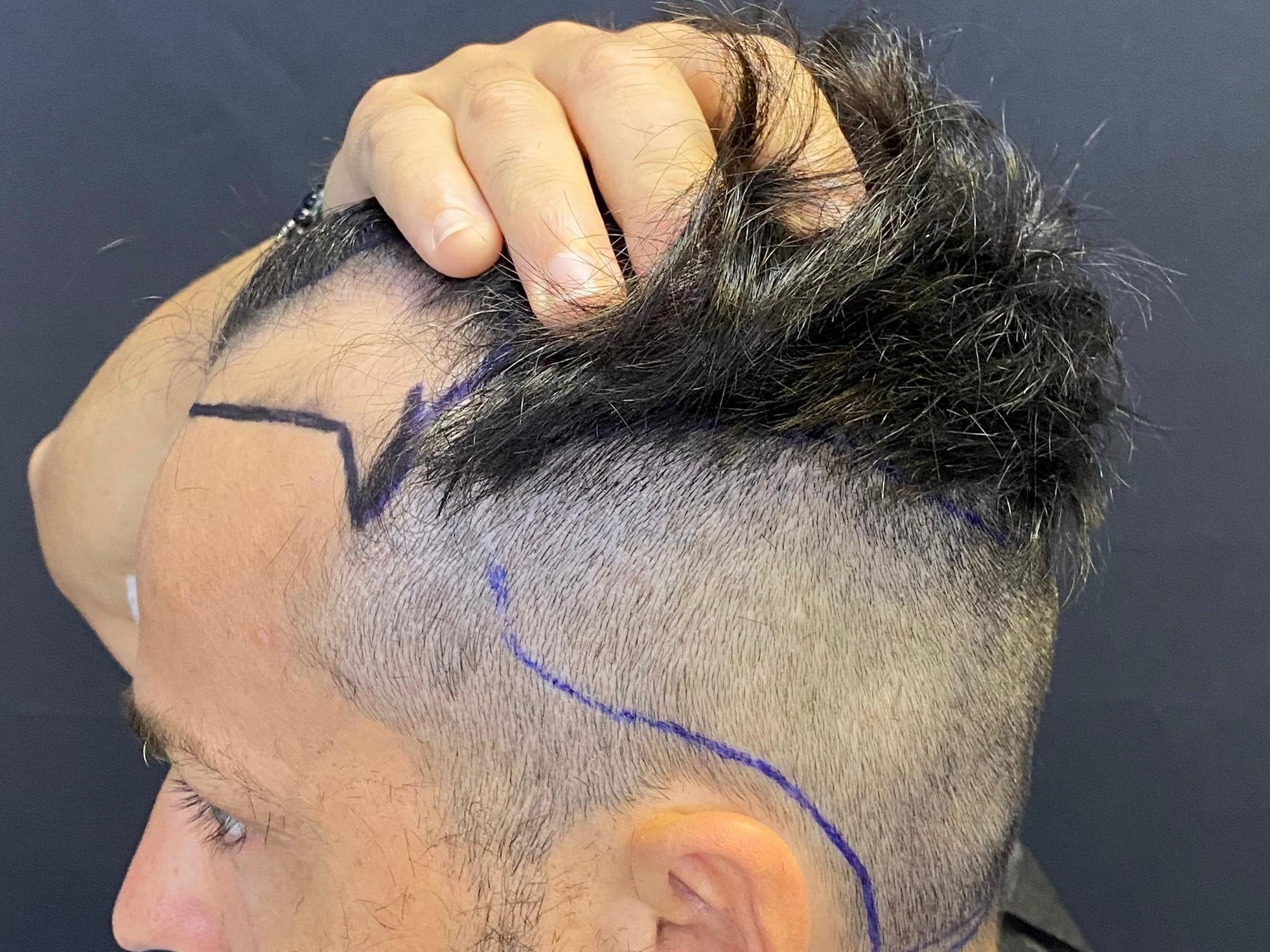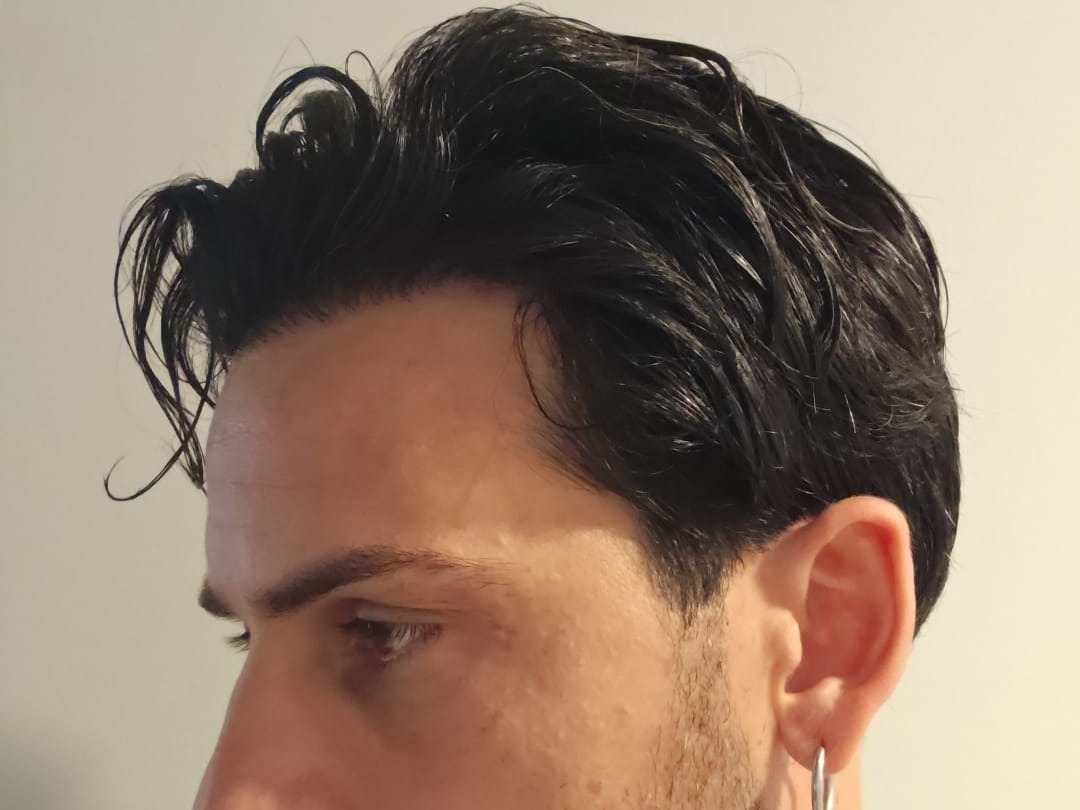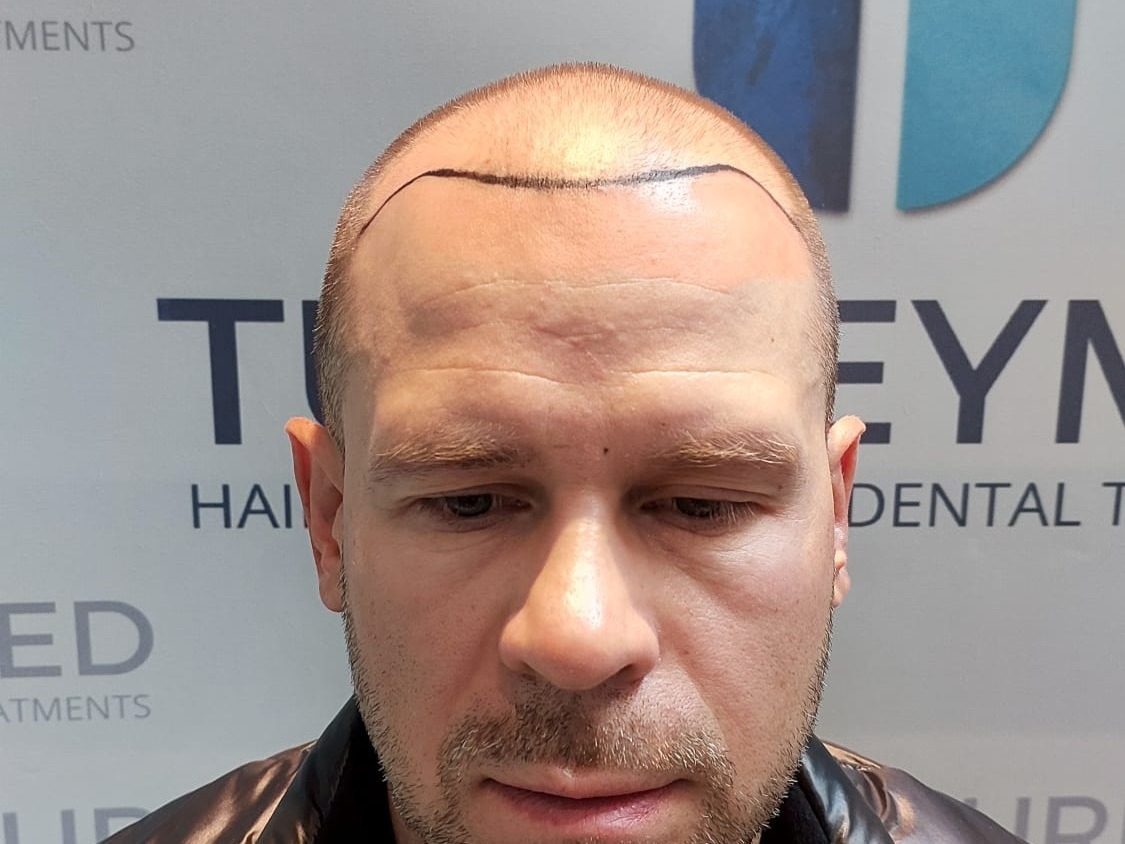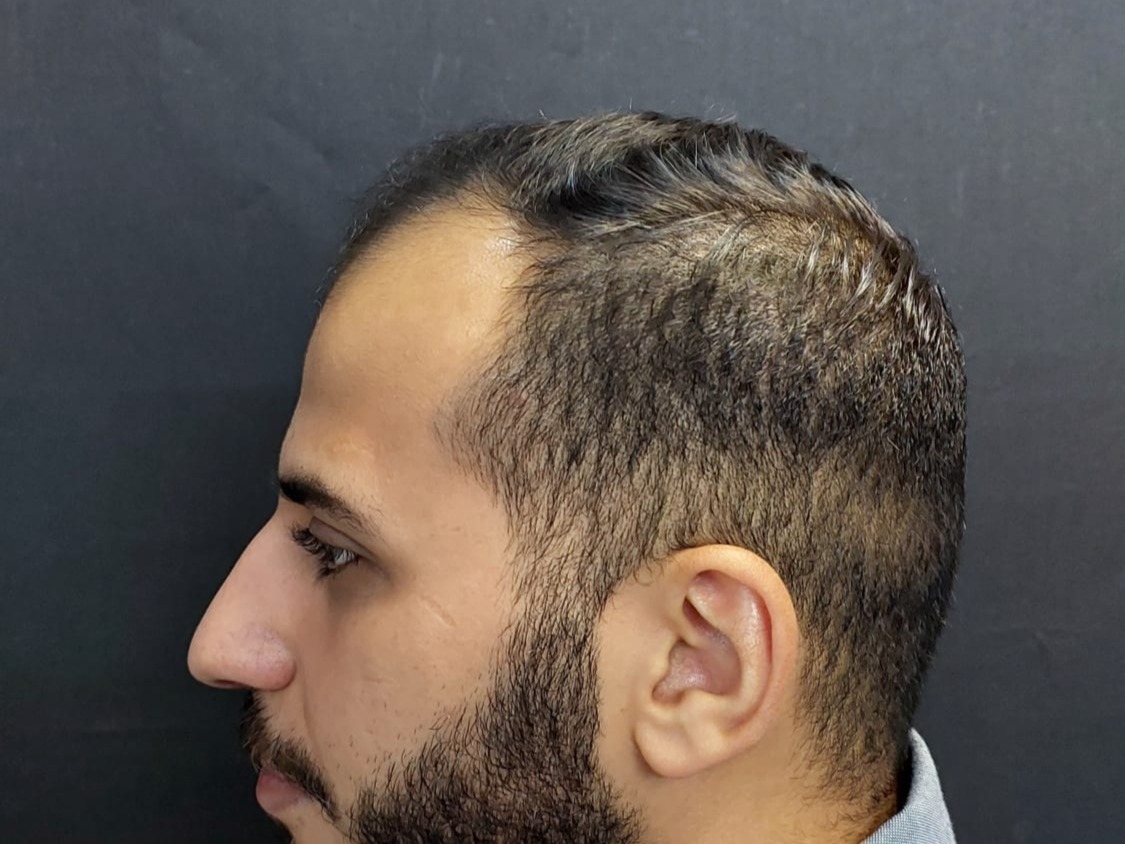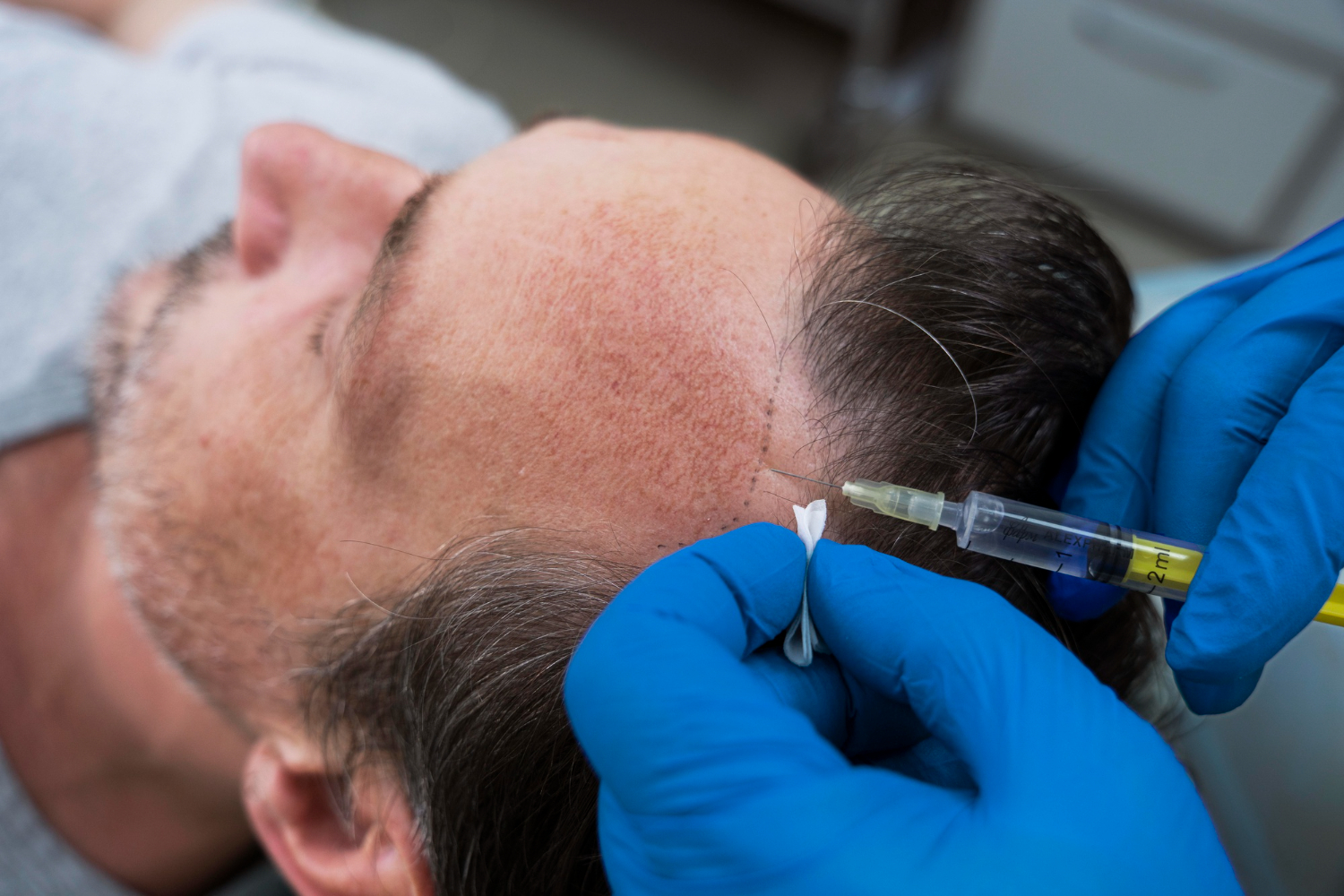
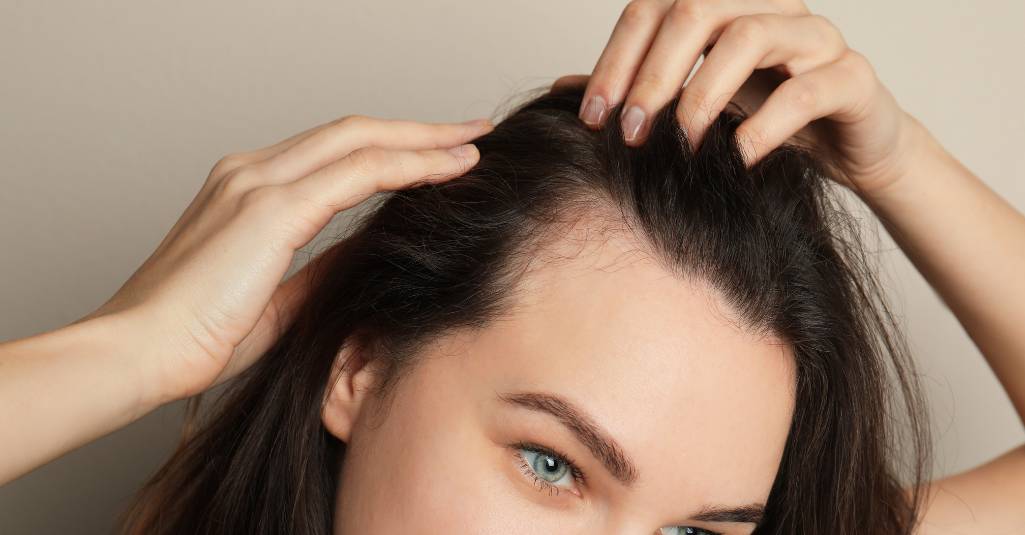
Female Hair Transplant in Turkey
Hair plays an important role in a woman's appearance, identity, and self-confidence. Hair thinning or hair loss can therefore be emotionally difficult, especially when it becomes noticeable around the hairline, parting, temples, or crown.
Female hair loss can have many different causes. It may be associated with genetics, aging, hormonal changes, pregnancy and the postpartum period, nutritional deficiencies, thyroid disorders, certain medications, stress, or other medical conditions. In some women, several factors may contribute to hair loss at the same time.
For this reason, women experiencing significant or progressive hair loss should first try to identify the underlying cause before deciding on a hair transplant.
At Turkeymed in Istanbul, Turkey, we provide personalized hair restoration solutions for women experiencing thinning hair, reduced density, receding hairlines, or localized areas of hair loss.
Depending on the patient's condition, treatment may include medical approaches, hair care recommendations, or hair transplantation when appropriate.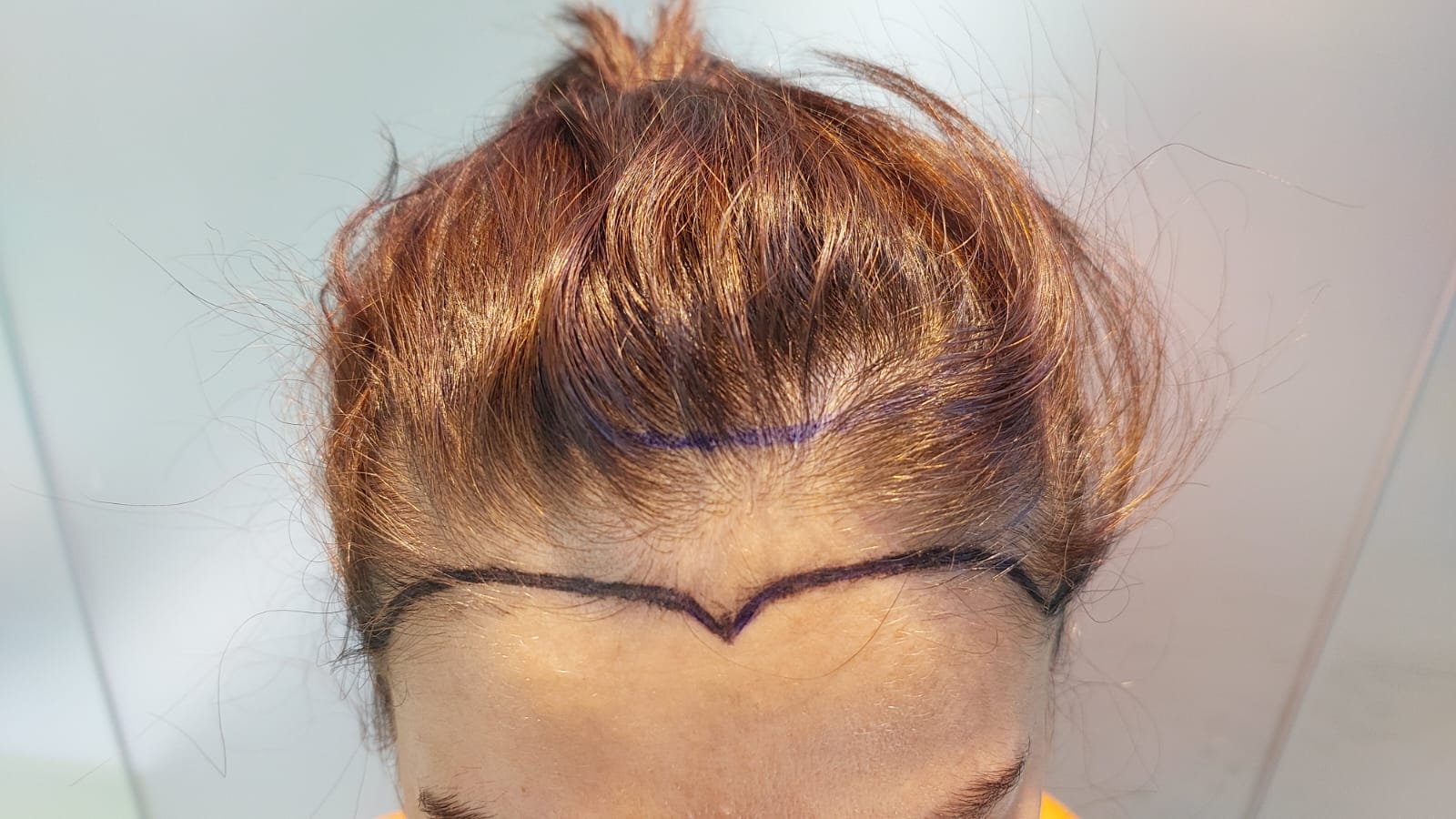
What Causes Hair Loss in Women?
Female hair loss can occur for many different reasons, and the cause is not always immediately obvious.
Some of the most common factors include:
Genetic Hair Loss
Female pattern hair loss can have a genetic component and may gradually reduce hair density over time. It often appears as overall thinning, particularly around the central parting and top of the scalp.
Pregnancy and Postpartum Hair Loss
Hormonal changes during and after pregnancy can significantly affect the hair growth cycle.
Many women experience increased shedding several months after giving birth. In some cases, hair density gradually improves naturally as hormonal levels stabilize, while in other cases, persistent thinning may require further evaluation.
Hormonal Changes
Changes in hormone levels can influence hair growth. Hormonal fluctuations may occur during different stages of life, including pregnancy, menopause, or other hormonal conditions.
Thyroid Disorders
Thyroid problems can sometimes be associated with changes in hair growth and increased shedding. Women experiencing unexplained hair loss may therefore benefit from appropriate medical evaluation.
Nutritional Deficiencies
Insufficient levels of certain nutrients can contribute to hair shedding or reduced hair quality. Depending on the individual case, a doctor may recommend blood tests to identify possible deficiencies.
Stress
Significant physical or emotional stress can sometimes disrupt the normal hair growth cycle and cause increased shedding.
Other Medical Causes
Certain medications, scalp conditions, autoimmune conditions, and other medical factors may also contribute to hair loss.
Because the causes are diverse, it is important not to assume that every type of female hair loss requires transplantation.
Why Is Diagnosis Important Before a Female Hair Transplant?
A hair transplant moves healthy hair follicles from one area of the scalp to another. It does not treat the underlying cause of ongoing hair loss.
Therefore, identifying the reason for hair loss is an important first step.
During the consultation, the specialist evaluates:
The pattern and extent of hair loss
The condition of the scalp
Existing hair density
The donor area
Hair thickness and quality
Family history of hair loss
Previous treatments
The patient's expectations
Depending on the situation, further medical evaluation or laboratory tests may be recommended.
If the hair loss is temporary or caused by a treatable medical or nutritional problem, treating the underlying cause may be more appropriate than immediately undergoing a transplant.
When Is a Hair Transplant Considered for Women?
A female hair transplant may be considered when hair loss is stable or when there are specific areas where increasing hair density could provide a meaningful improvement.
Women may consider transplantation for:
Receding hairlines
Thinning around the frontal hairline
Reduced density around the temples
Visible scalp due to localized thinning
Certain areas affected by previous surgery or injury
Hair loss associated with traction or repeated pulling, when appropriate
Selected cases of female pattern hair loss
Eyebrow or other specialized hair restoration procedures
Not every woman with hair loss is a suitable candidate. The availability and quality of donor hair are particularly important.
What Can a Female Hair Transplant Achieve?
One of the most important points for women considering hair transplantation is having realistic expectations.
A transplant cannot recreate the exact hair density that existed before hair loss.
Instead, the objective is to strategically redistribute available healthy follicles to areas where additional coverage or density is needed.
A well-planned transplant may:
Improve the appearance of thinning areas
Increase hair density in selected regions
Restore or strengthen a receding hairline
Reduce the visibility of the scalp
Improve the appearance of the frontal area
Create a more balanced and natural-looking hairline
The final result depends on the patient's donor supply, hair characteristics, the number of available grafts, the condition of the recipient area, and individual healing and growth.
How Is a Female Hair Transplant Performed?
Female and male hair transplantation use the same fundamental principles of follicular extraction and implantation. However, the treatment plan can be quite different.
Women often have longer existing hair and may prefer an approach that preserves their current hairstyle and minimizes visible changes during recovery.
The procedure generally involves several stages.
1. Consultation and Hair Analysis
The first step is a detailed assessment of the patient's hair and scalp.
The specialist examines:
Hair density
Hair loss pattern
Hairline
Temple areas
Crown density
Donor area
Hair thickness
Existing miniaturized hairs
Expected future hair loss
The patient's goals and expectations are also discussed.
2. Hairline and Treatment Design
The hairline is designed according to the patient's facial proportions and existing hair pattern.
For women, maintaining a natural-looking feminine hairline is particularly important.
The specialist considers the natural curvature, density, direction, and position of the existing hair when designing the treatment area.
3. Extraction of Hair Follicles
The donor follicles are generally taken from the back or sides of the scalp.
Turkeymed uses the FUE extraction method, in which individual follicular units are carefully removed using a specialized micro-punch.
The extracted grafts are handled carefully before implantation.
4. Implantation
Depending on the patient's condition and treatment plan, the follicles can be implanted using different approaches.
At Turkeymed, female hair transplantation may be performed using:
DHI – Direct Hair Implantation
Sapphire FUE
FUE-based implantation techniques
The appropriate technique is selected after the specialist evaluates the patient's hair, donor area, recipient area, and desired result.
DHI Hair Transplant for Women
DHI (Direct Hair Implantation) is often an attractive option for women because it can allow implantation into areas where existing hair is still present.
With DHI, the prepared follicular units are loaded into a Choi implanter pen and placed directly into the recipient area.
The specialist can control the placement, angle, depth, and direction of the grafts.
One of the important advantages for selected female patients is that complete shaving of the recipient area may not be necessary.
This can be particularly useful for women who have long hair and want to minimize visible changes after the procedure.
The donor area may still need to be trimmed or shaved in order to facilitate safe and accurate follicular extraction.
Sapphire FUE for Women
Sapphire FUE is another option that may be considered for female patients.
The follicular units are extracted individually from the donor area, while sapphire blades may be used to create recipient sites when this approach is appropriate.
The technique allows the specialist to plan the placement of the grafts according to the desired density, direction, and hairline design.
The choice between DHI and Sapphire FUE is not based simply on gender. It should be determined according to the patient's individual hair characteristics and treatment requirements.
Can Women Have a Hair Transplant Without Shaving?
Yes, in selected cases.
One of the major concerns among female patients is the need to shave their hair before transplantation.
Depending on the condition of the donor and recipient areas, an approach that avoids complete shaving of the visible hair may be possible.
DHI can be particularly useful for selected women because the recipient area does not necessarily need to be completely shaved.
However, the possibility of an unshaven or partially shaven procedure depends on the patient's hair length, donor area, number of grafts required, and the planned technique.
During the consultation, the specialist can determine which approach is most appropriate.
Female Hair Transplant Hairline Design
Hairline design is one of the most important aspects of female hair transplantation.
A woman's natural hairline usually has a different shape and appearance from a typical male hairline.
The specialist considers:
Facial proportions
Forehead height
Existing hairline
Temple shape
Hair direction
Hair density
Age and long-term hair loss pattern
The goal is not simply to create a lower hairline. Instead, the objective is to create a hairline that looks natural and remains harmonious with the patient's facial features.
How Many Grafts Are Needed for a Female Hair Transplant?
The number of grafts varies significantly from patient to patient.
There is no single graft number that is suitable for every woman.
The required number depends on:
Size of the thinning area
Existing hair density
Desired density
Donor hair availability
Hair thickness
Hair characteristics
Hairline design
Whether the treatment focuses on the frontal area, temples, crown, or multiple regions
Some women may require only a relatively small number of grafts to restore a localized area, while others may require a larger treatment plan.
The exact number can be determined after an individual assessment.
Is Female Hair Transplant Permanent?
Hair transplanted from a suitable donor area is generally considered to provide long-lasting growth because the follicles retain their characteristics from the donor region.
However, it is important to understand that a hair transplant does not necessarily stop the progression of non-transplanted hair loss.
Existing natural hair may continue to thin in the future depending on the underlying cause of hair loss.
For this reason, some patients may benefit from ongoing medical treatment or other hair-loss management alongside transplantation.
What Happens After a Female Hair Transplant?
The recovery process varies between patients.
During the first few days, mild redness, swelling, sensitivity, or small crusts may occur in the treated areas.
The transplanted follicles then enter a recovery phase.
It is normal for the visible transplanted hairs to shed after the procedure. This is commonly known as shock loss or the shedding phase.
The follicle itself remains beneath the skin and may subsequently enter a new growth cycle.
Typical Growth Timeline
First week:
The scalp begins to heal, and small crusts or redness may be visible.
Weeks 2–8:
The transplanted hairs may shed. This is a normal part of the process for many patients.
Months 3–4:
New hair growth may begin to become noticeable.
Months 4–6:
Hair density gradually increases as more follicles enter the growth phase.
Months 6–9:
The transplanted hair continues to become thicker and more visible.
Months 9–12:
The overall result becomes increasingly mature. Some patients may continue to see improvements beyond 12 months.
The exact timeline varies from person to person.
Female Hair Transplant Aftercare
Following the postoperative instructions carefully can help support the healing process.
Patients are generally advised to:
Follow the clinic's washing instructions
Avoid scratching or rubbing the transplanted area
Protect the scalp from unnecessary trauma
Avoid strenuous activities for the period recommended by the medical team
Follow prescribed medications or aftercare products
Attend scheduled follow-up appointments
Contact the clinic if unusual symptoms develop
The exact aftercare instructions should always be individualized by the treating medical team.
Is Female Hair Transplant Successful?
Hair transplantation can provide significant improvements for appropriately selected patients, but outcomes vary.
Several factors can influence the result, including:
Donor Hair Quality
The amount and quality of available donor hair are important factors.
Hair Characteristics
Hair thickness, texture, color, and natural growth pattern can influence how much coverage can be achieved.
Number of Grafts
The number of suitable grafts available affects the amount of density that can be restored.
Recipient Area
The frontal area may respond differently from areas such as the crown, particularly when there is extensive thinning.
Individual Healing and Growth
Every patient has a different healing process and hair-growth cycle.
Postoperative Care
Following the medical team's aftercare instructions is an important part of the recovery process.
Can Nutrition Affect Hair Growth?
Nutrition can play an important role in maintaining healthy hair.
A balanced diet that provides adequate protein, vitamins, minerals, and other essential nutrients supports normal hair growth.
However, taking vitamins or supplements without identifying an actual deficiency is not always necessary.
If nutritional deficiency is suspected, appropriate medical evaluation and laboratory testing can help determine whether supplementation is required.
Female Hair Transplant in Turkey
Turkey has become a popular destination for international patients seeking hair restoration procedures.
At Turkeymed in Istanbul, we provide personalized treatment plans for women from different countries who are considering hair transplantation.
Our approach focuses on:
Individual hair and scalp assessment
Natural-looking hairline design
Careful donor area evaluation
FUE follicular extraction
DHI implantation when appropriate
Sapphire FUE options when appropriate
Selected unshaven or partially shaven approaches
Personalized postoperative care
Follow-up after the procedure
Assistance for international patients
Why Choose Turkeymed?
At Turkeymed, we understand that female hair loss requires a personalized approach.
We do not recommend the same treatment for every patient. The appropriate technique and number of grafts depend on the individual patient's hair condition, donor supply, degree of hair loss, and desired result.
Our team works with each patient to develop a treatment plan designed around their specific needs.
For international patients, we can also assist with the practical aspects of travelling to Istanbul for treatment, including airport transfers, clinic transportation, accommodation packages, and patient support.
Start Your Female Hair Restoration Journey
If you are experiencing hair thinning or hair loss, the first step is understanding why it is happening.
A hair transplant may be an effective option for selected women, but it should be considered after an appropriate evaluation of the cause of hair loss and the availability of suitable donor hair.
If you are considering a female hair transplant in Turkey, send Turkeymed clear photographs of your hair and scalp for an initial assessment.
Our specialists can evaluate your hair-loss pattern, donor area, and treatment goals and determine whether DHI, Sapphire FUE, FUE, or another approach may be appropriate for your case.
Contact Turkeymed today to request a personalized consultation for female hair transplantation in Istanbul, Turkey.