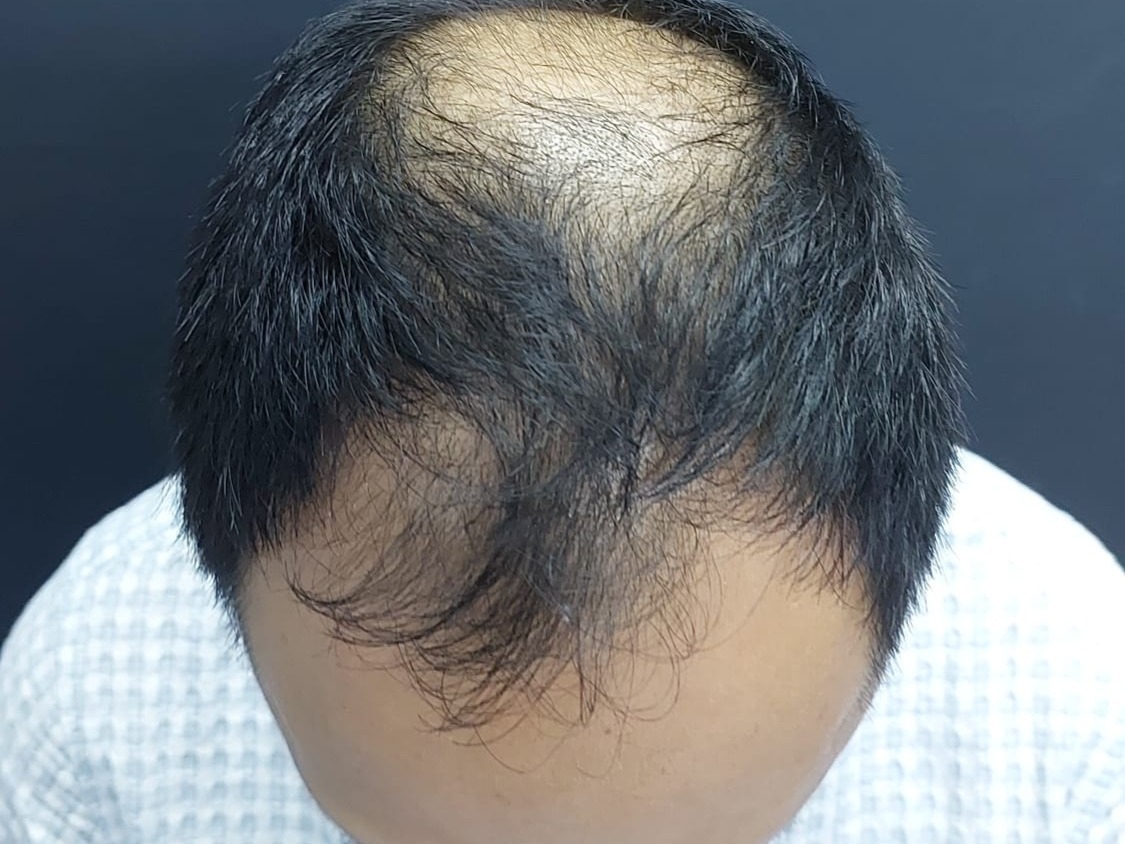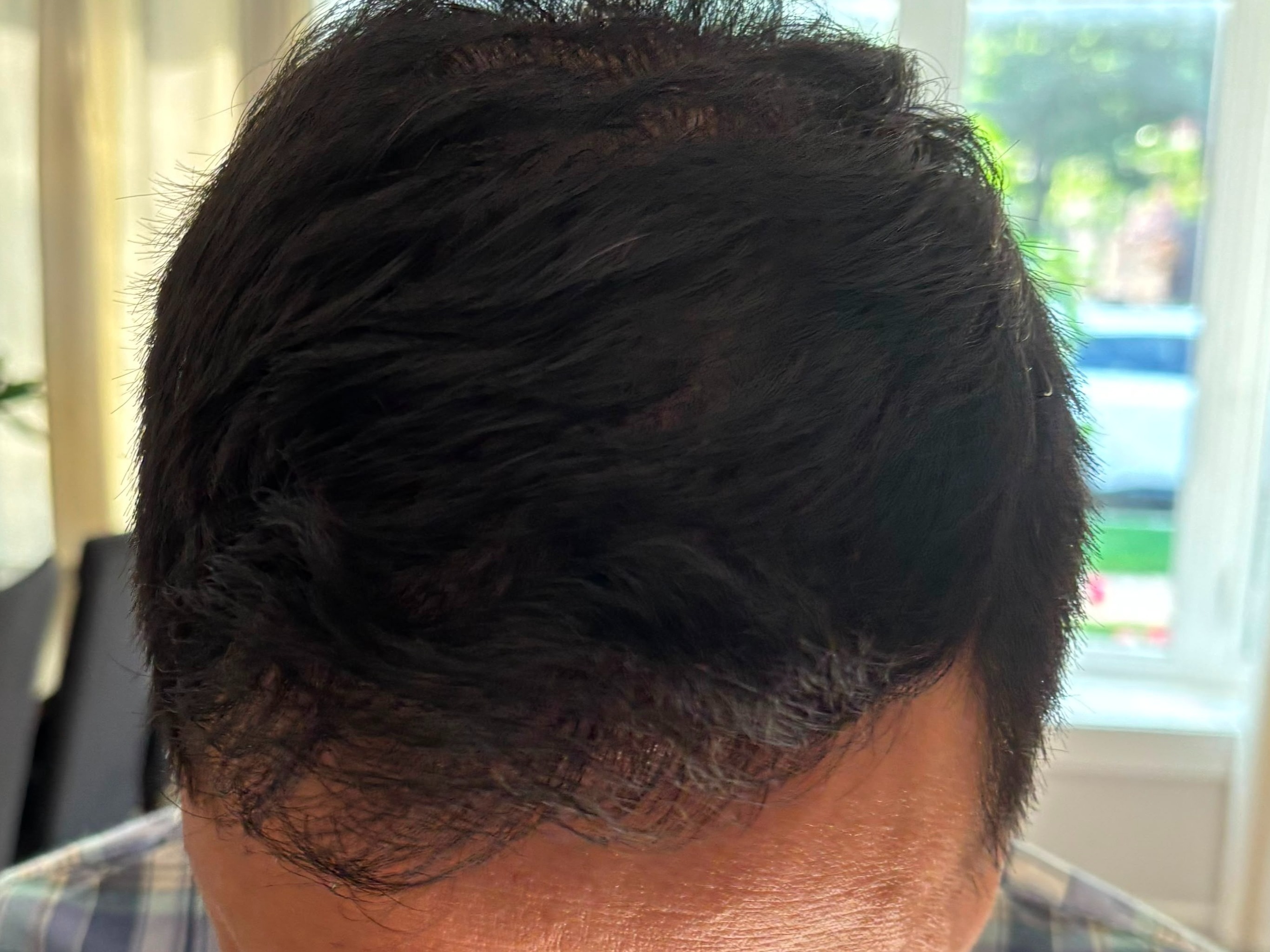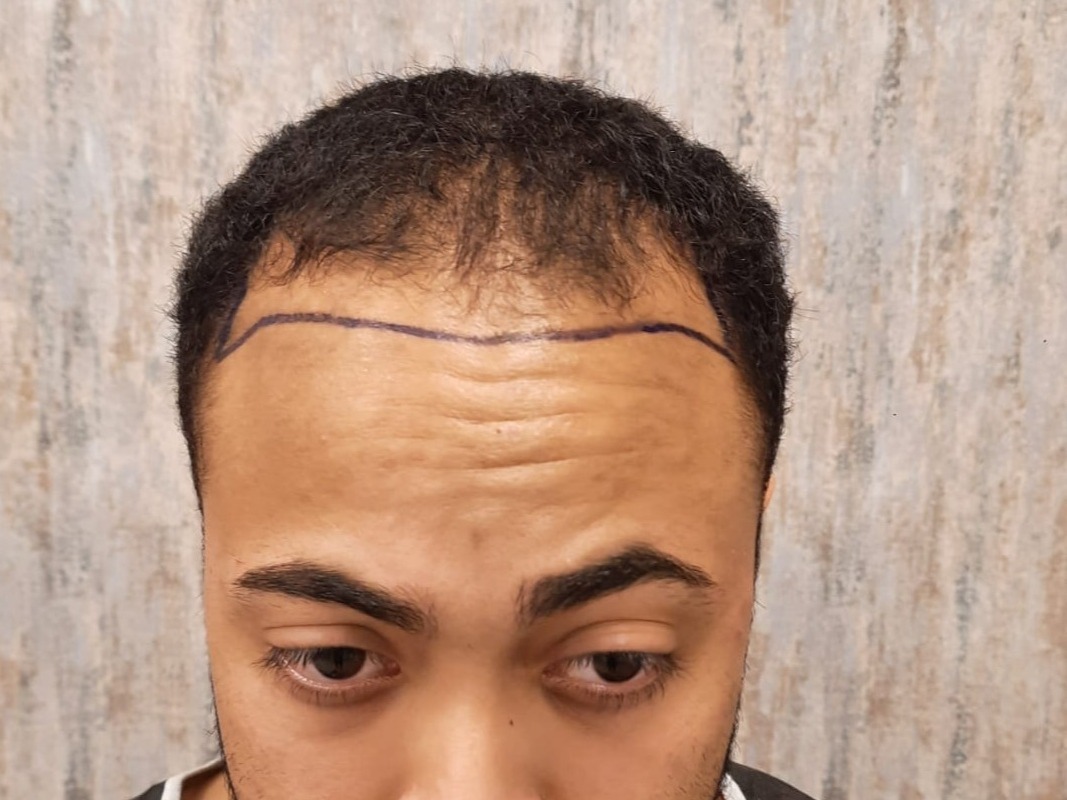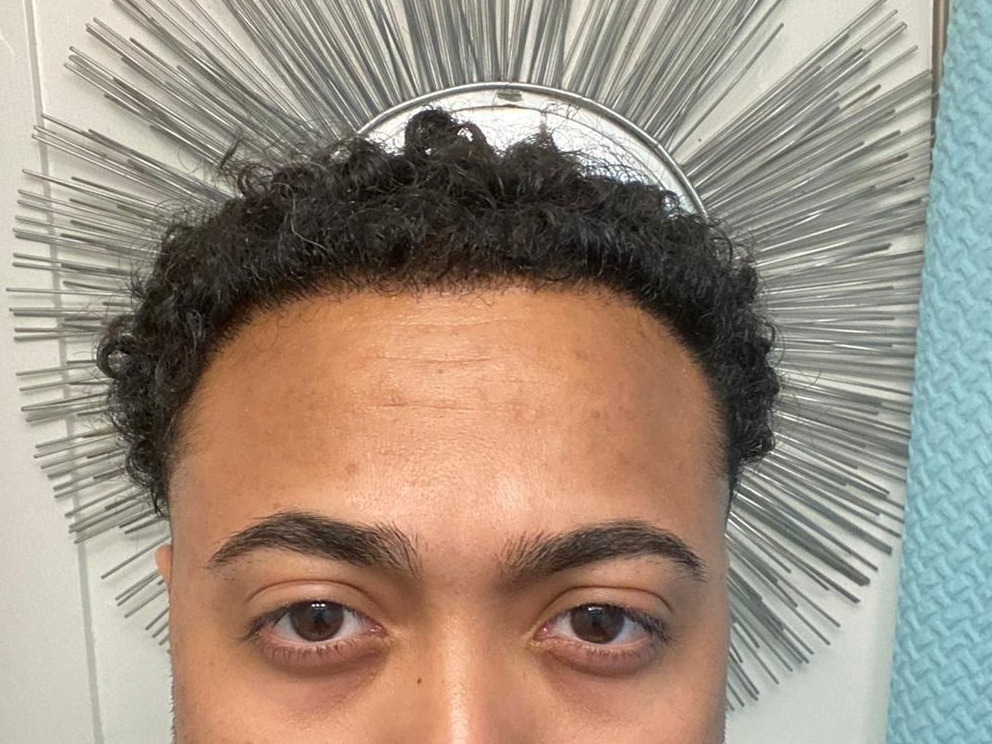
PRP Hair Treatment for Hair Loss in Turkey
Platelet-Rich Plasma (PRP) therapy is a non-surgical treatment used to support hair growth and improve the appearance of thinning hair. PRP is prepared from the patient's own blood and contains a concentrated amount of platelets and naturally occurring growth factors.
At Turkeymed, PRP therapy can be considered for selected patients experiencing hair thinning or certain types of non-scarring hair loss. The treatment is personalized according to the patient's hair condition, degree of thinning, and overall medical assessment.
What Is PRP Hair Treatment?
PRP hair treatment involves taking a small amount of blood from the patient's arm and processing it to obtain platelet-rich plasma.
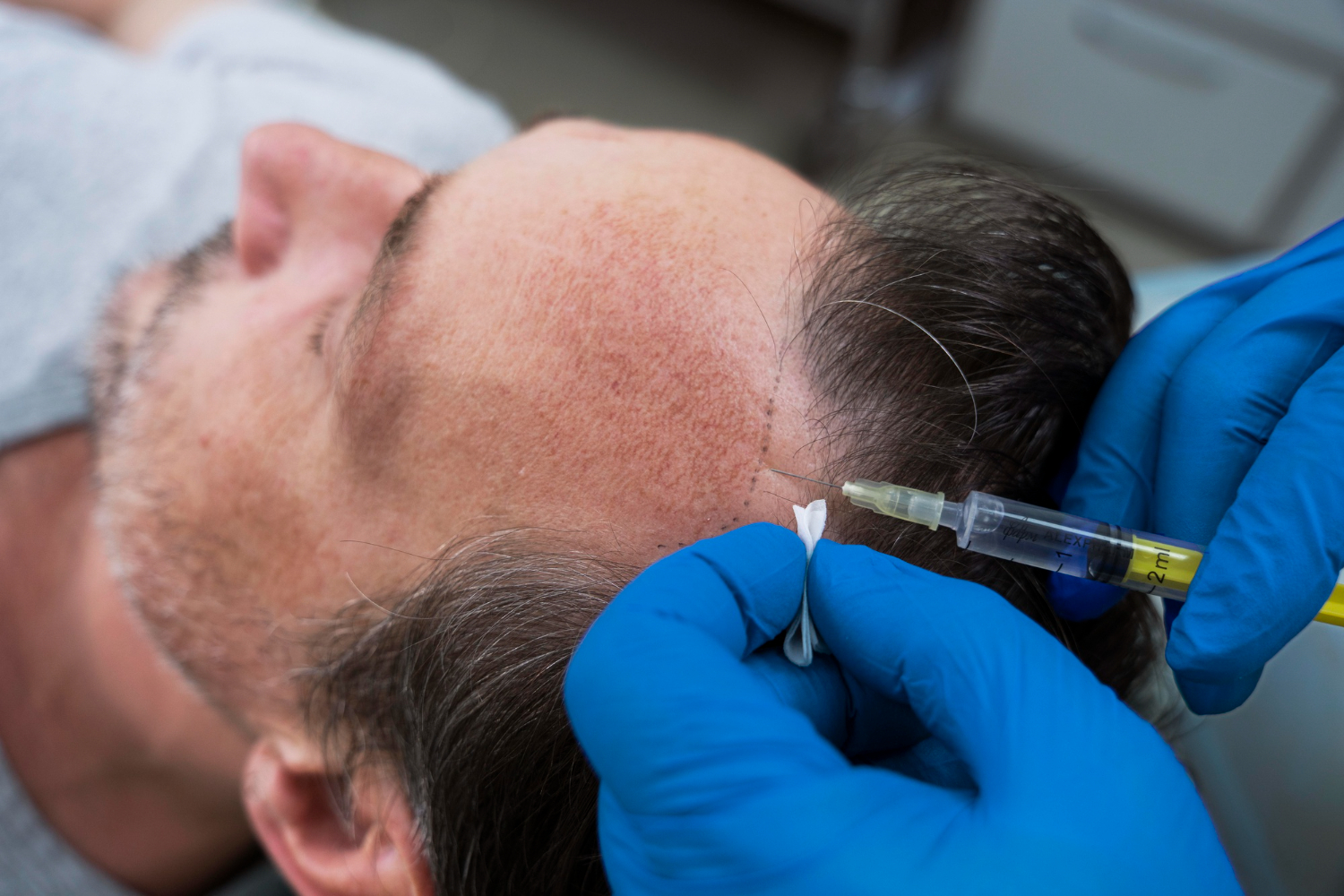
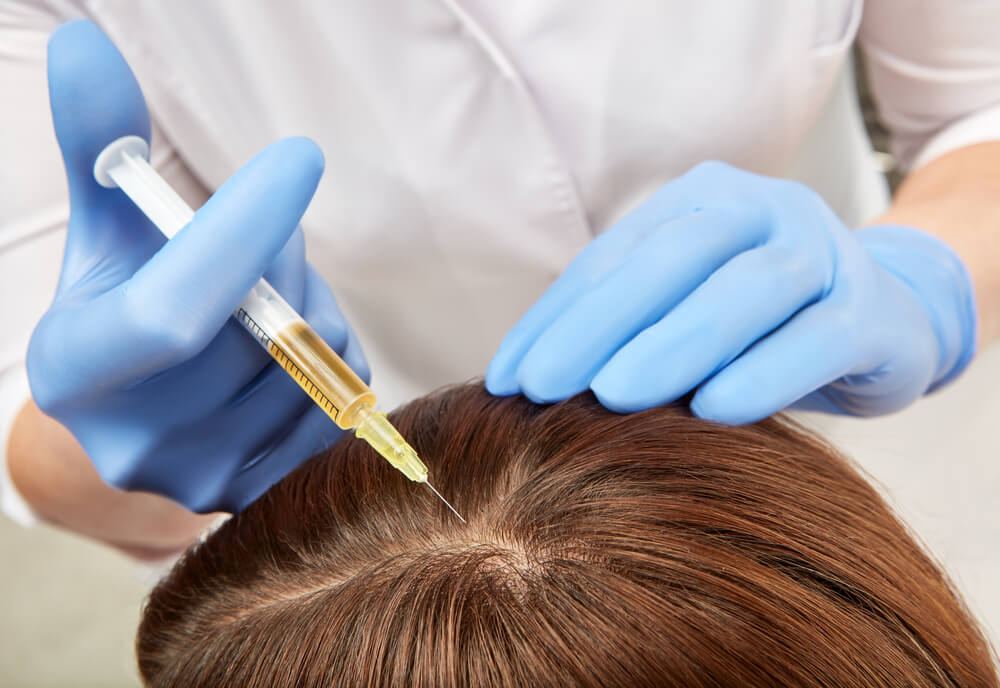
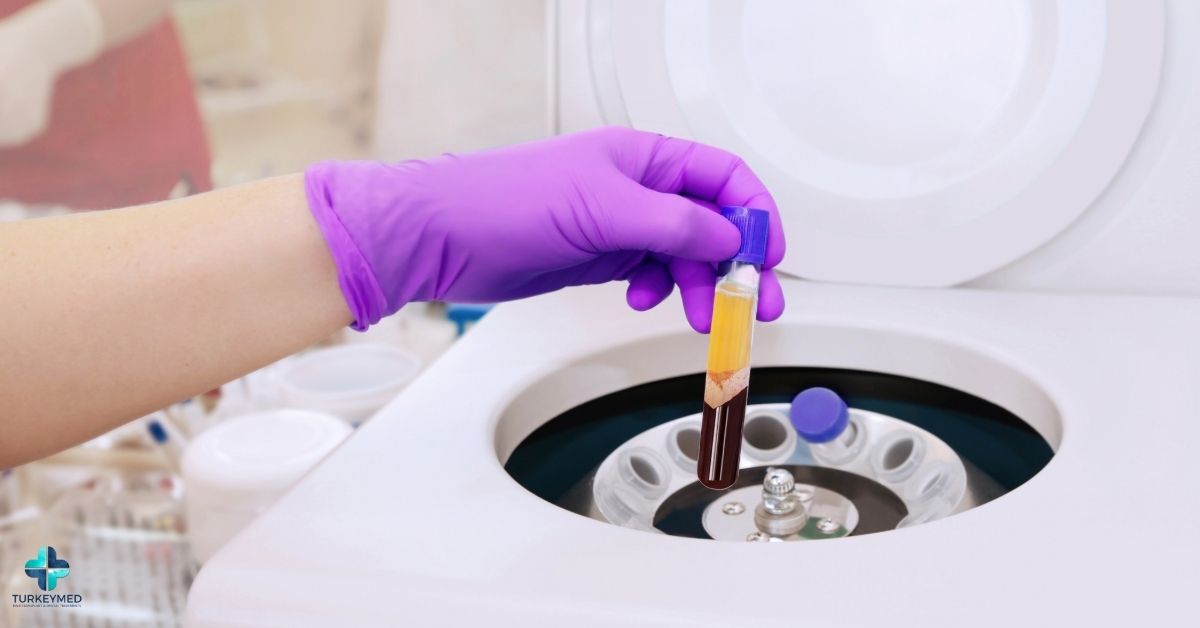
The blood is placed in a centrifuge, which separates its components and allows the platelet-rich portion to be prepared for treatment. The PRP is then carefully injected into selected areas of the scalp where the hair is thinning.
Platelets contain various growth factors and signaling proteins. These substances are being studied for their potential role in supporting the activity of existing hair follicles and improving hair density and thickness.
PRP does not create new hair follicles. Its purpose is to support existing follicles that may still have the potential to produce hair.
How Does PRP Work for Hair Loss?
PRP contains a higher concentration of platelets than normal blood. When PRP is injected into areas of thinning hair, the growth factors released by platelets may influence the local environment around hair follicles.
Potential effects may include:
Supporting the activity of existing hair follicles
Helping promote the active growth phase of the hair cycle
Improving the appearance and thickness of miniaturized hairs
Supporting the scalp environment around existing follicles
Potentially improving hair density in suitable patients
The response to PRP varies considerably from one person to another. The underlying cause of hair loss, stage of hair thinning, age, general health, and PRP preparation technique can all influence the outcome.
PRP Hair Treatment Procedure
A typical PRP session follows several steps:
1. Medical Consultation
The treatment begins with an assessment of the scalp and hair loss pattern. Your specialist may evaluate the cause and severity of hair loss and determine whether PRP is appropriate.
2. Blood Collection
A small amount of blood is collected, usually from a vein in the arm.
3. Centrifugation
The blood is processed using a centrifuge to separate the platelet-rich plasma from other blood components.
4. Scalp Preparation
The scalp is cleaned and prepared for treatment. A local anesthetic or topical numbing method may be used when appropriate to improve comfort.
5. PRP Injection
The prepared PRP is injected into selected areas of thinning or hair loss using multiple small injections.
The procedure is generally performed as an outpatient treatment, meaning you can normally return to your daily activities shortly afterward.
How Many PRP Sessions Are Needed?
There is no single treatment schedule that is appropriate for everyone.
A common treatment approach consists of several sessions separated by approximately 4–6 weeks, depending on the patient's condition and the treatment protocol recommended by the medical specialist.
After the initial treatment series, maintenance sessions may sometimes be recommended. The frequency can vary depending on the patient's response and ongoing hair loss.
Your specialist will determine the most appropriate treatment plan after evaluating your scalp and hair.
When Will I See PRP Hair Treatment Results?
PRP results are not immediate.
Hair follicles naturally follow a growth cycle, so changes may take time to become noticeable. Some patients may observe reduced shedding or improvements in hair quality and thickness after several months, while others may experience a more limited response.
The results can continue to develop gradually, and the response should be evaluated over time rather than immediately after treatment.
It is important to understand that PRP is not a guaranteed cure for hair loss.
Who May Be Suitable for PRP Hair Treatment?
PRP may be considered for selected patients with:
Early or moderate hair thinning
Certain forms of androgenetic hair loss
Reduced hair density with viable existing follicles
Hair that has become thinner or miniaturized
Patients looking for a non-surgical treatment option
PRP may be less suitable when the affected area has extensive, long-standing baldness and there are few or no viable follicles remaining.
A medical assessment is important before treatment because hair loss can have many different causes.
PRP for Men and Women
PRP therapy may be considered for both men and women.
For men, it may be used as part of a treatment plan for pattern hair loss and thinning.
For women, PRP may be considered in selected cases of diffuse thinning or other forms of non-scarring hair loss after an appropriate medical evaluation.
Because the causes of hair loss can differ significantly between patients, treatment should be individualized rather than based solely on gender.
PRP Before a Hair Transplant
PRP may sometimes be used as part of a broader hair restoration plan before or after a hair transplant.
For patients undergoing FUE, Sapphire FUE, or DHI hair transplantation, PRP may be considered to support the overall scalp environment and existing hair.
However, PRP does not replace a hair transplant when follicles have been permanently lost. A transplant physically moves healthy follicles from the donor area to areas requiring restoration.
PRP After Hair Transplantation
Some patients may also consider PRP following a hair transplant.
The goal may be to support the healing environment and existing hair, although the exact benefits can vary and treatment protocols are not standardized.
Your hair restoration specialist can determine whether PRP has a role in your individual postoperative plan.
PRP vs Hair Mesotherapy
PRP and hair mesotherapy are both non-surgical scalp treatments, but they are not the same procedure.
PRP is prepared from the patient's own blood and concentrates platelets and their associated growth factors.
Hair mesotherapy generally involves injecting selected substances into the scalp, depending on the treatment formulation and medical protocol.
The most appropriate option depends on the cause and severity of hair loss and should be determined after a professional evaluation.
PRP vs Hair Transplant
PRP and hair transplantation have different purposes.
PRP aims to support existing hair follicles and may improve hair density in suitable patients.
A hair transplant involves extracting healthy follicles from a donor area and implanting them into areas affected by hair loss.
For advanced baldness where follicles have been permanently lost, a hair transplant may provide a more appropriate restoration approach.
In some cases, PRP can be considered alongside hair transplantation rather than as an alternative.
Safety and Possible Side Effects
PRP uses the patient's own blood, which means the risk of an allergic reaction to the injected material is generally low.
However, PRP is still a medical procedure and can cause temporary side effects.
Possible effects include:
Mild pain or discomfort
Redness
Temporary swelling
Bruising
Tenderness
Itching
Small bumps at injection sites
Infection and other complications are possible, although they are uncommon when the procedure is performed using appropriate medical and sterile techniques.
Patients should inform their medical provider about medications, medical conditions, allergies, and any relevant health history before treatment.
Can PRP Stop Hair Loss Permanently?
PRP should not be presented as a permanent cure for hair loss.
Hair loss can have different underlying causes, and progressive conditions such as androgenetic alopecia may continue over time.
PRP may help support existing follicles in selected patients, but the results vary and maintenance treatment or other therapies may be recommended.
PRP Hair Treatment at Turkeymed
At Turkeymed, PRP therapy is planned according to the patient's individual hair condition.
During your consultation, our specialists can assess your hair loss pattern, donor and recipient areas, existing hair density, and previous treatments.
Depending on your condition, PRP may be recommended as an individual treatment or as part of a broader hair restoration plan that may include hair transplantation or other medically appropriate treatments.
Our goal is to provide a personalized treatment strategy rather than recommending the same procedure to every patient.