
Sapphire FUE Hair Transplant in Turkey
Sapphire FUE hair transplant is an advanced version of the Follicular Unit Extraction (FUE) technique. It uses specially designed sapphire blades to create recipient channels before the extracted hair follicles are implanted.
Unlike traditional FUE protocols that may use steel blades for channel creation, Sapphire FUE uses smooth, precise sapphire tips. Their design allows the surgeon to create controlled micro-incisions while following the natural angle and direction of the patient's existing hair.
At Turkeymed, Sapphire FUE is planned according to each patient's donor density, hair-loss pattern, desired hairline, and available grafts.
What Is Sapphire FUE Hair Transplant?
Sapphire FUE is a minimally invasive hair restoration procedure based on the established FUE method.
During treatment, individual follicular units are extracted from the donor area, usually from the back and sides of the scalp. Sapphire blades are then used to create recipient channels in the areas affected by hair loss.
The extracted grafts are carefully placed into these channels according to the planned hairline, angle, direction, and density.
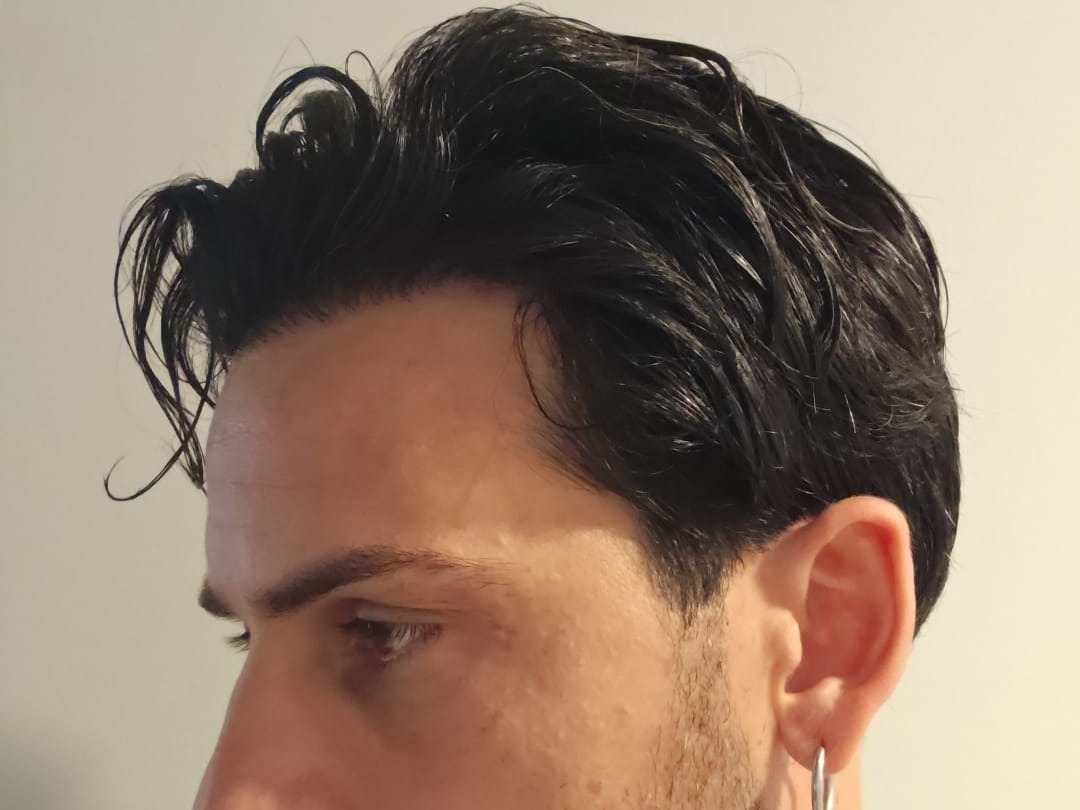
The goal is to achieve a natural-looking result while making efficient use of the patient's available donor hair.
How Does Sapphire FUE Work?
The procedure generally consists of three main stages:
1. Follicle Extraction
Individual follicular units are extracted from the donor area using a small motorized or manual punch.
The extraction is carefully planned to preserve the appearance and density of the donor area.
2. Sapphire Channel Creation
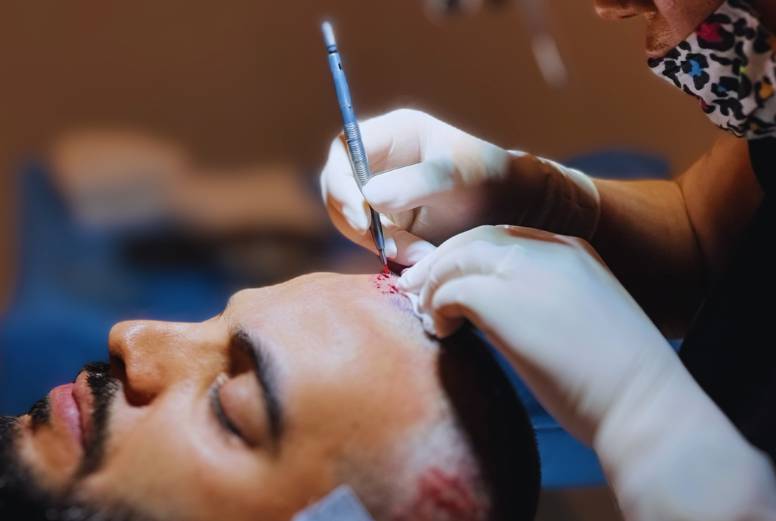
After extraction, the specialist creates small recipient channels using sapphire blades.
The size, angle, depth, and direction of the channels are important because they influence how the transplanted hair will grow.
3. Graft Implantation
The harvested grafts are placed into the prepared channels.
Each graft is positioned according to the patient's natural hair direction and the treatment plan. Particular attention is usually given to the frontal hairline because its design plays an important role in the overall appearance.
Advantages of Sapphire FUE Hair Transplant
Sapphire FUE offers several potential advantages:
Precise Channel Creation
Sapphire blades are designed to create controlled micro-incisions in the recipient area.
Natural-Looking Hairline
The channels can be created at carefully selected angles and directions to help reproduce a natural hair-growth pattern.
Suitable for High-Density Transplantation
In suitable patients, precise channel creation can support a high-density implantation strategy while respecting the limitations of the scalp and donor area.
Minimally Invasive Technique
FUE does not involve removing a strip of scalp, so it does not leave the linear scar associated with FUT strip surgery.
Recovery
The recovery process is generally manageable, although swelling, redness, scabbing, and temporary sensitivity can occur after the procedure.
It is important to understand that sapphire blades alone do not guarantee faster healing, higher graft survival, or a better result. The surgeon's experience, graft handling, donor management, implantation technique, and postoperative care are also important factors.
Who Is a Good Candidate for Sapphire FUE Hair Transplant?
Sapphire FUE may be suitable for men and women experiencing different patterns of non-scarring hair loss.
Potential candidates generally include people who:
Have sufficient donor hair
Have realistic expectations about the possible outcome
Want to restore a receding hairline or areas of thinning
Have stable or appropriately assessed hair loss
Prefer a minimally invasive transplantation technique
Are medically suitable for the procedure
The donor area is particularly important because the number of grafts that can be safely transplanted depends on the patient's available donor supply.
A consultation is necessary to determine whether Sapphire FUE is appropriate for you.
Sapphire FUE Hair Transplant for Men
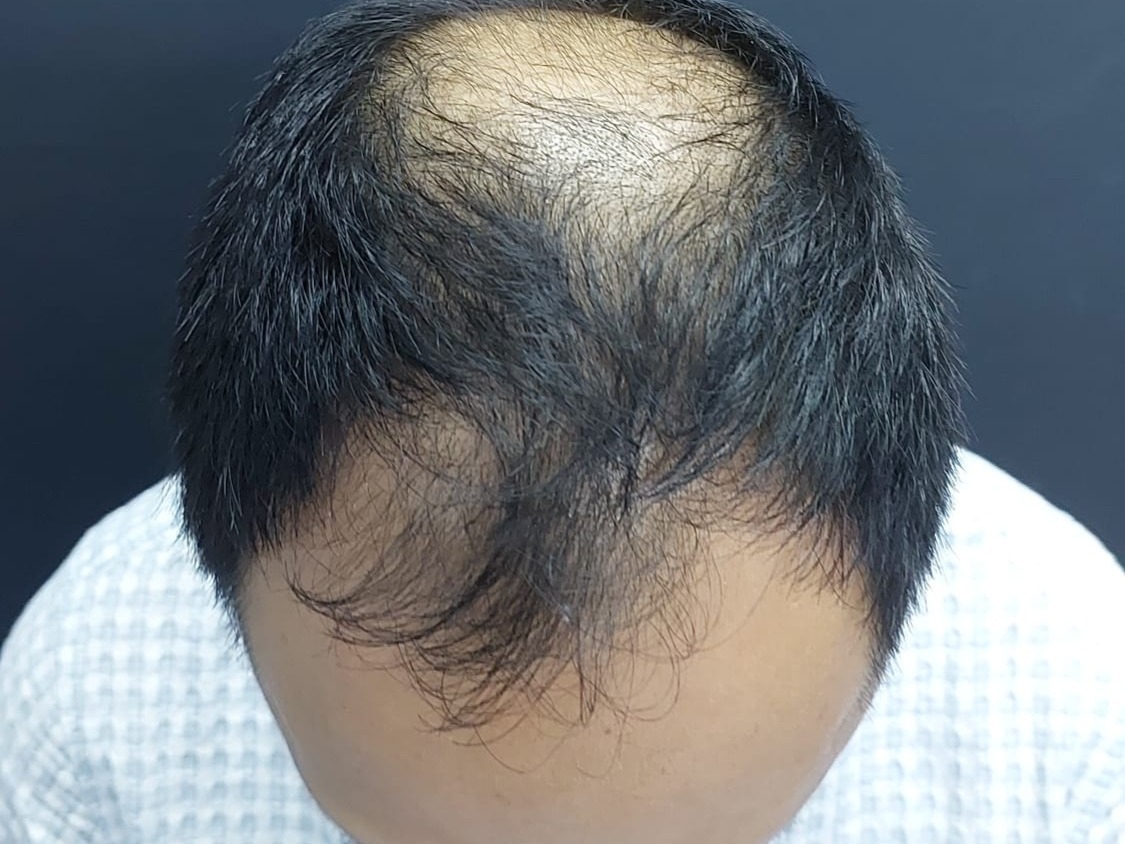
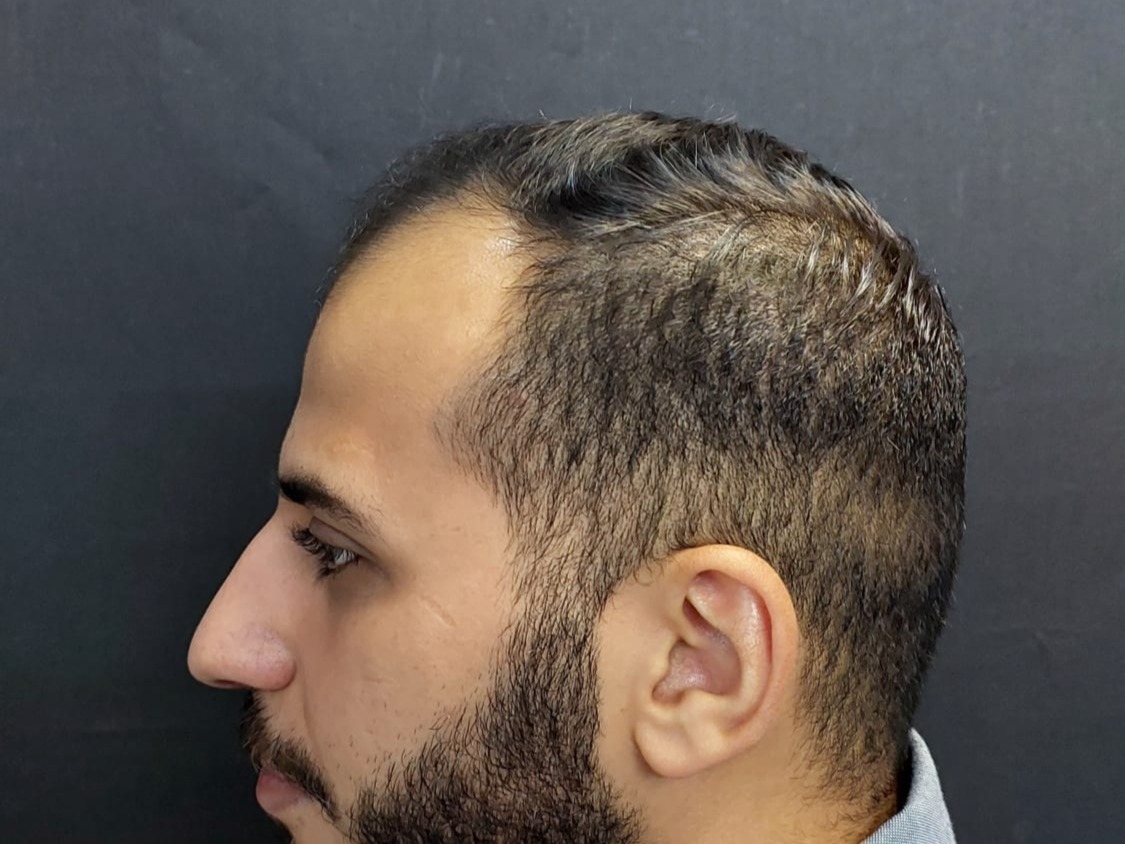
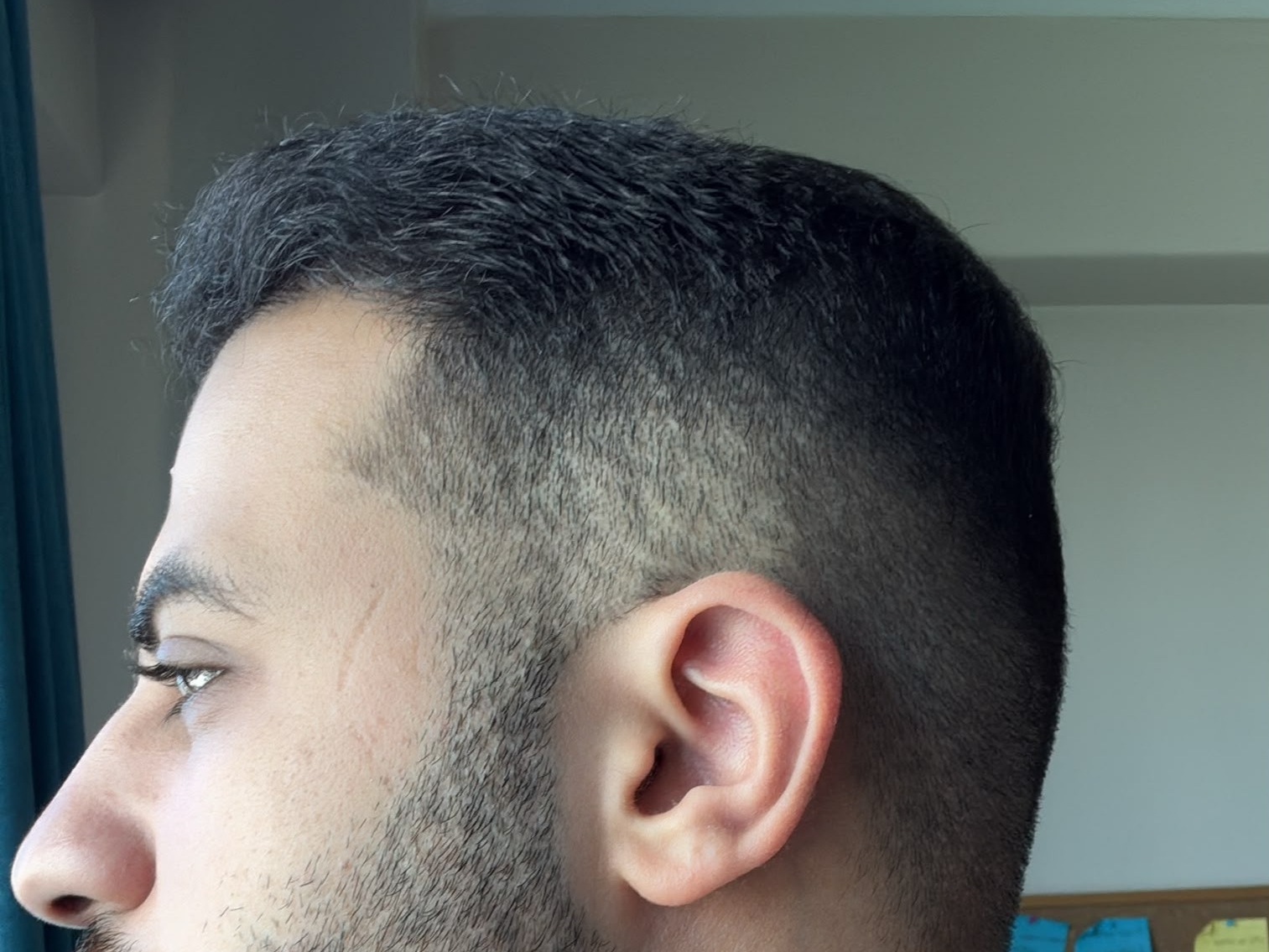
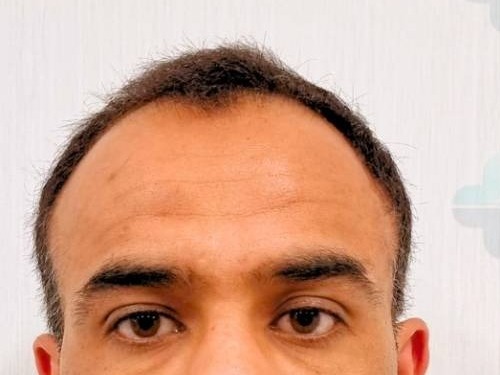
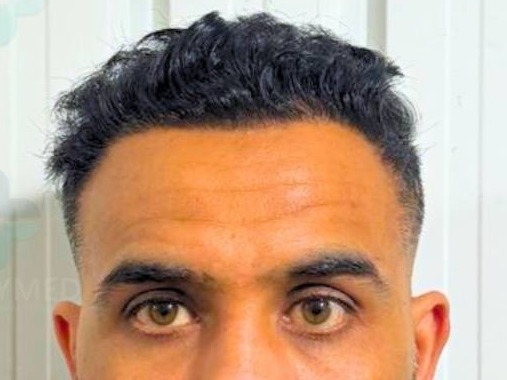
Male pattern hair loss commonly affects the frontal hairline, temples, mid-scalp, and crown.
Sapphire FUE can be used to restore selected areas depending on the patient's hair-loss pattern and donor capacity.
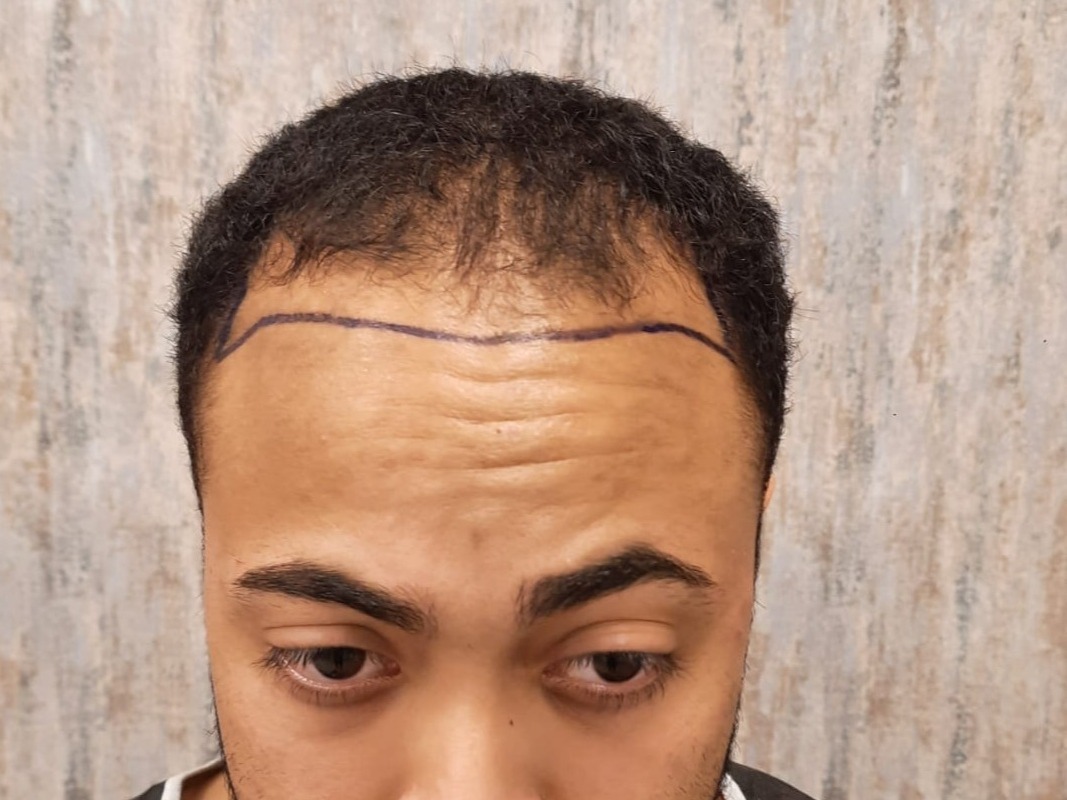
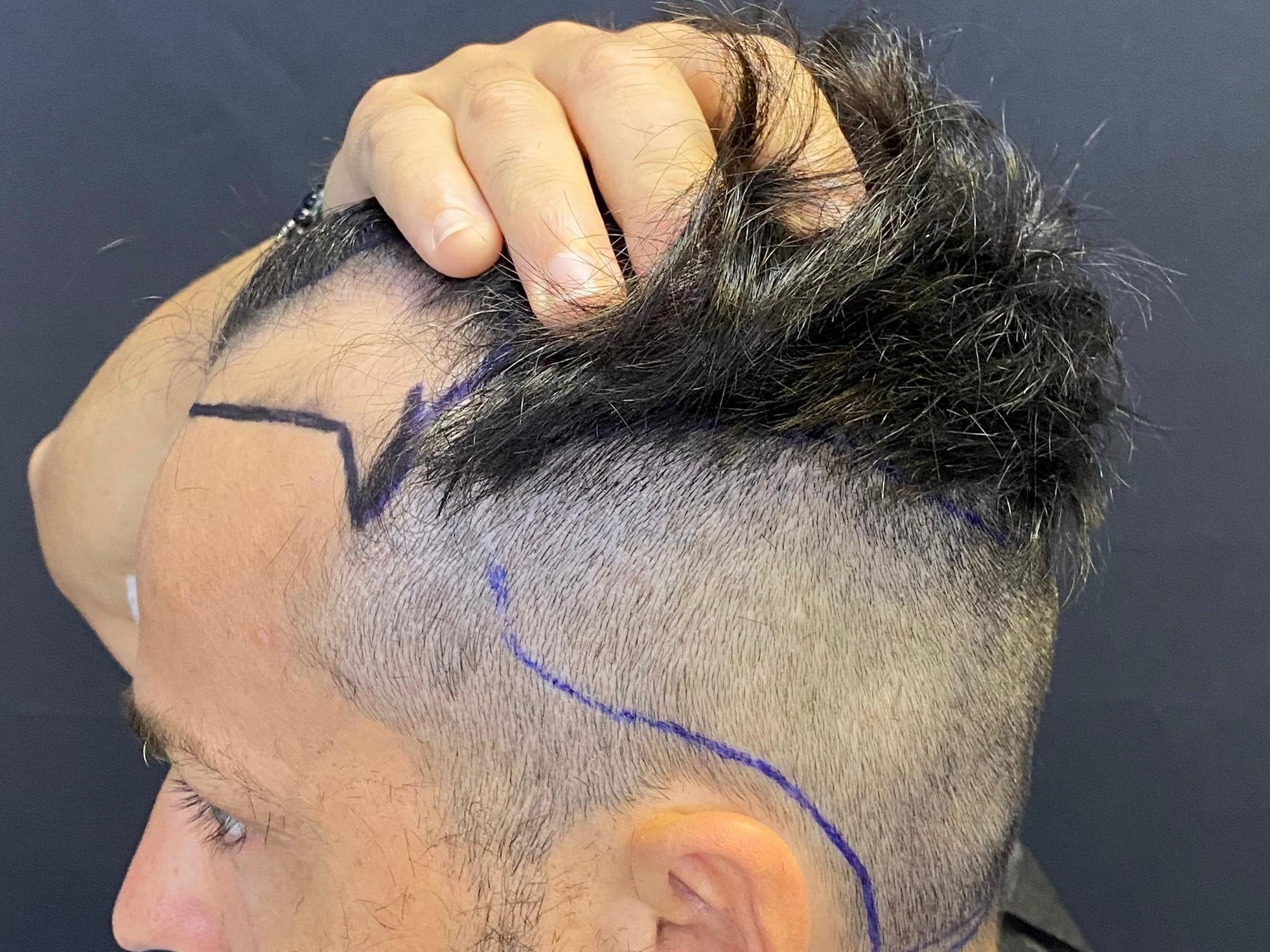
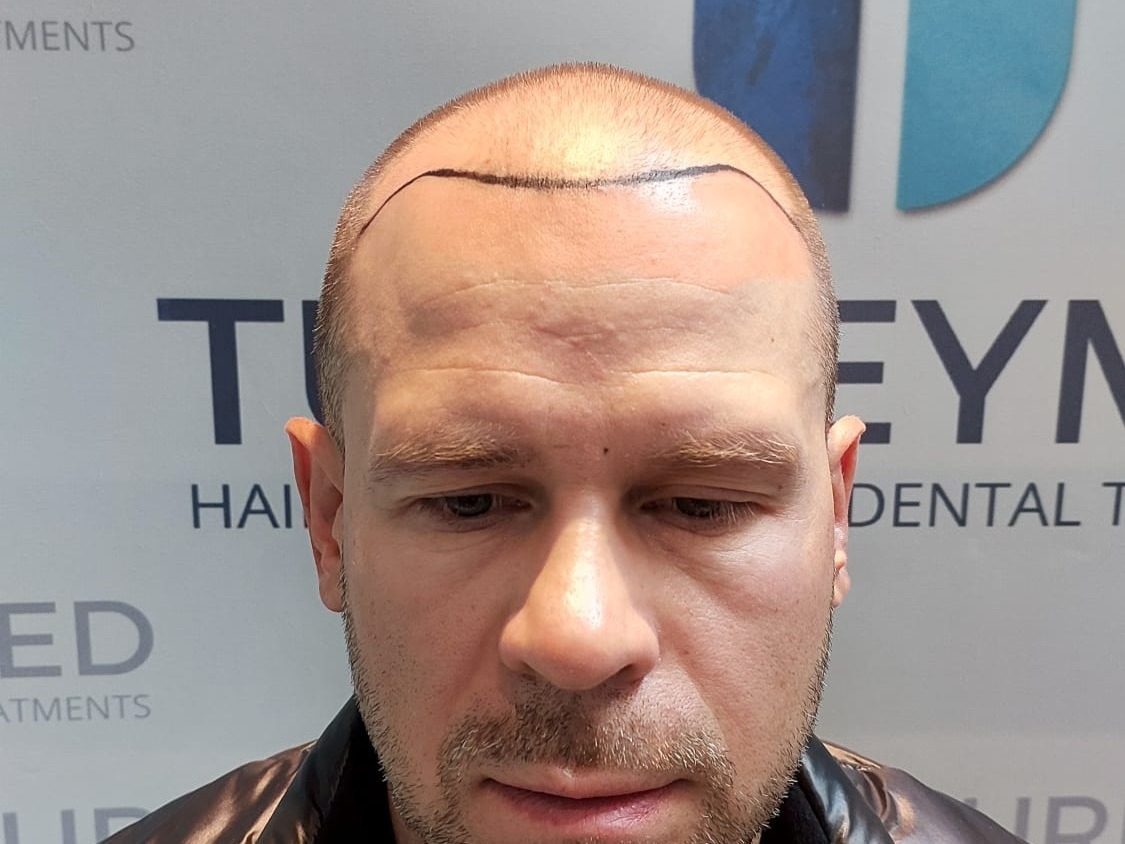
A carefully designed hairline should take into account age, facial proportions, existing hair, donor availability, and the expected progression of hair loss.
Sapphire FUE Hair Transplant for Women
Women can also be candidates for hair transplantation when appropriate.
Female hair loss may have different causes, including diffuse thinning. A medical assessment is therefore particularly important before deciding on surgery.
When transplantation is appropriate, Sapphire FUE may be used to restore areas with sufficient donor availability.
How Many Grafts Can Be Transplanted with Sapphire FUE Hair Transplant?
There is no fixed number of grafts that applies to every patient.
The number depends on:
Donor density
Donor area size
Hair caliber
Degree of hair loss
Recipient area size
Previous hair transplantation
Patient age and future hair-loss pattern
In selected patients, a large number of grafts may be transplanted during one session, but the priority should always be safe donor management and appropriate graft placement rather than simply maximizing the graft count.
Claims of extremely high graft numbers should be avoided unless they have been specifically assessed and medically planned.
Sapphire FUE Recovery
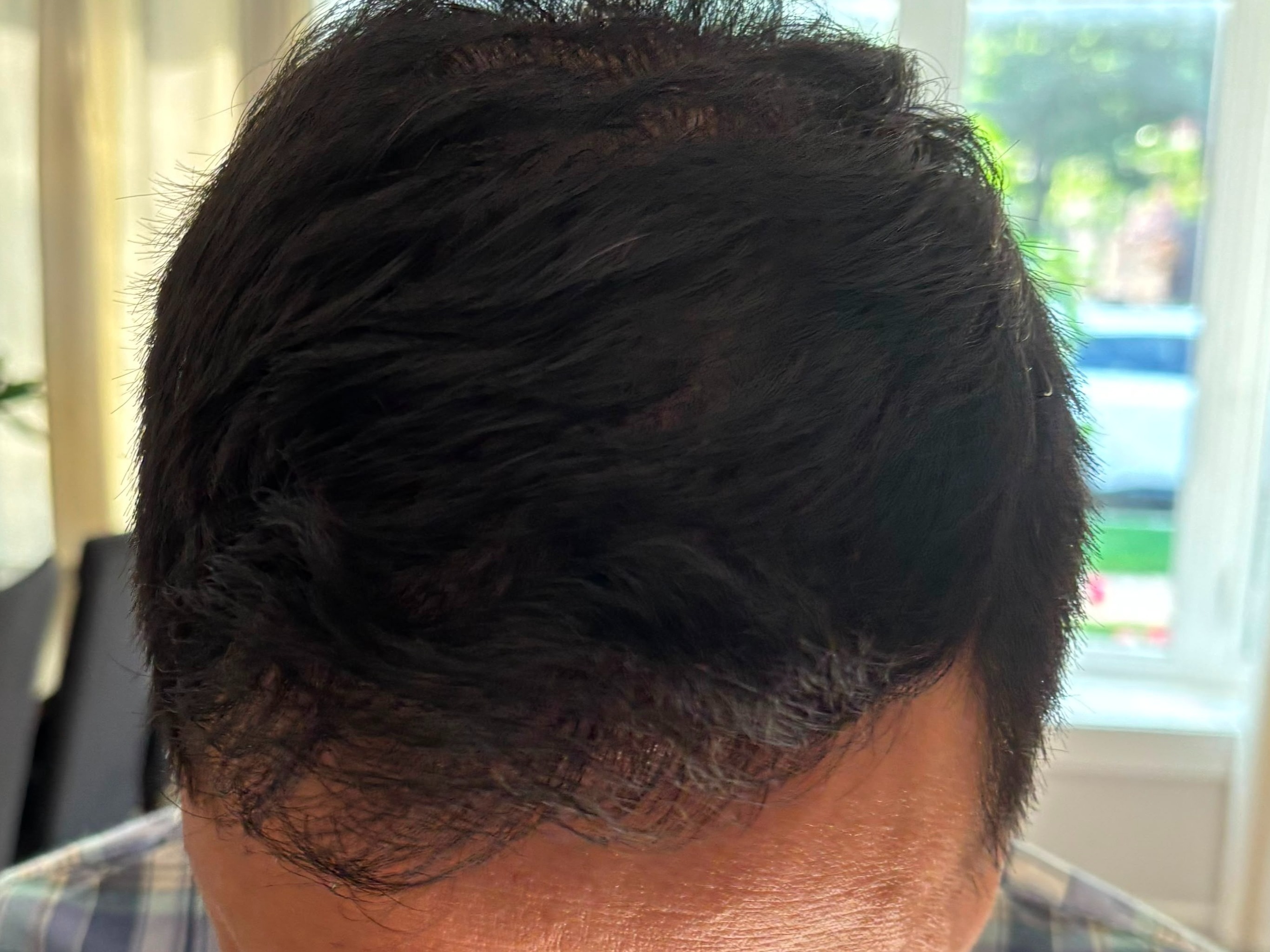
Immediately after surgery, the scalp may have small red dots or scabs around the implanted and extraction areas.
Some patients experience swelling, particularly around the forehead, during the first few days.
Typical recovery includes:
First few days: redness, sensitivity, swelling or mild discomfort may occur.
Around 7–10 days: most visible scabbing begins to improve with appropriate care.
First few weeks: transplanted hairs may temporarily shed.
Around 3–4 months: new growth may begin becoming noticeable.
6–8 months: density and thickness generally continue improving.
9–12 months: significant results are usually visible.
12–18 months: further maturation and thickening may occur, particularly in some areas such as the crown.
Recovery varies from patient to patient.
Does Transplanted Hair Fall Out After Sapphire FUE?
Temporary shedding after a hair transplant is common.
The transplanted hair shaft may fall out during the early postoperative period while the follicle remains inside the scalp. This is commonly referred to as shock loss or shedding.
The follicle can subsequently enter a new growth cycle and produce new hair.
This process is one reason why hair transplant results should be evaluated over several months rather than immediately after surgery.
Are Sapphire FUE Results Permanent?
Transplanted follicles are generally selected from areas that are more resistant to androgenetic hair loss.
However, the long-term outcome depends on the quality and characteristics of the donor follicles, the underlying cause of hair loss, future native-hair loss, and the quality of the surgical procedure.
Therefore, a hair transplant should not be described as a guarantee that all hair loss will stop permanently.
Existing non-transplanted hair can continue to thin over time.
Sapphire FUE vs Standard FUE
Both procedures are based on follicular unit extraction.
The main difference is generally the instrument used to create recipient channels.
Standard FUE: recipient channels may be created using steel blades or other appropriate instruments.
Sapphire FUE: sapphire blades are used for recipient channel creation.
The quality of the final result depends on much more than the blade material. Hairline design, extraction, graft preservation, channel direction, implantation, surgical experience, and postoperative care all play important roles.
Is Sapphire FUE Painful?
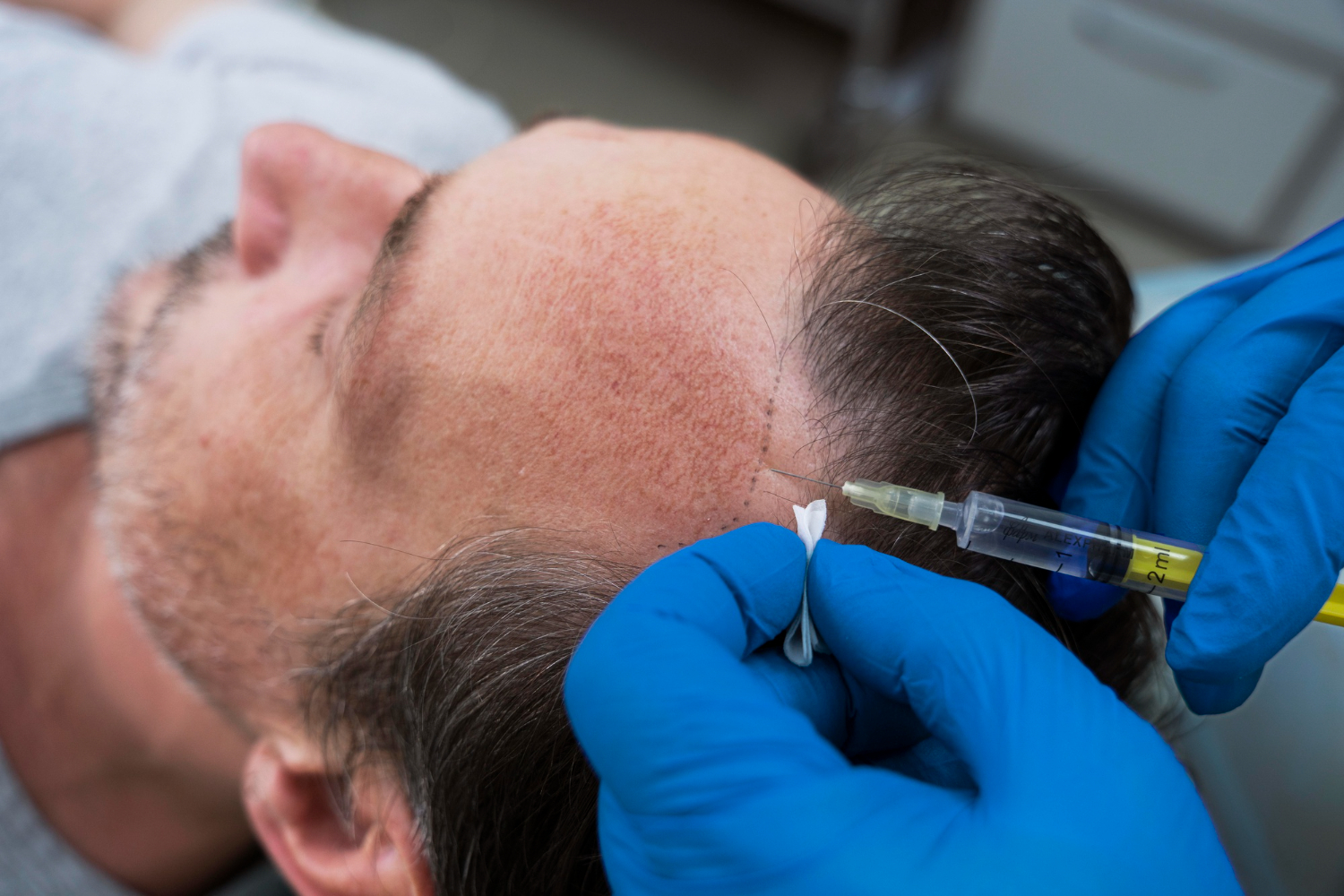
The procedure is performed under local anesthesia.
Patients generally do not experience significant pain during the main surgical stages, although the administration of local anesthetic injections can cause brief discomfort.
After surgery, mild tenderness, tightness, sensitivity, or discomfort may occur for several days.
Why Choose Turkeymed for Sapphire FUE?
At Turkeymed, Sapphire FUE treatment is planned around the individual patient's hair-loss pattern and donor capacity.
Our approach includes:
Individual hairline planning
Donor-area assessment
Personalized graft planning
Sapphire channel creation
Careful graft handling and implantation
Postoperative instructions
Follow-up after the procedure
International patient assistance
The goal is not simply to transplant as many grafts as possible, but to achieve a balanced and natural-looking result while protecting the donor area.
Start Your Sapphire FUE Hair Restoration Journey
If you are considering Sapphire FUE in Turkey, the first step is a professional assessment of your hair loss and donor area.
At Turkeymed, we can evaluate your photos and medical information to develop a personalized treatment plan based on your individual needs.
Book your consultation and discover whether Sapphire FUE is suitable for you.