FUE Hair Transplant in Turkey
Follicular Unit Extraction (FUE) is one of the most widely used modern hair transplant techniques for treating hair loss and restoring thinning or bald areas. The procedure involves extracting individual follicular units from a suitable donor area and carefully implanting them into areas affected by hair loss.
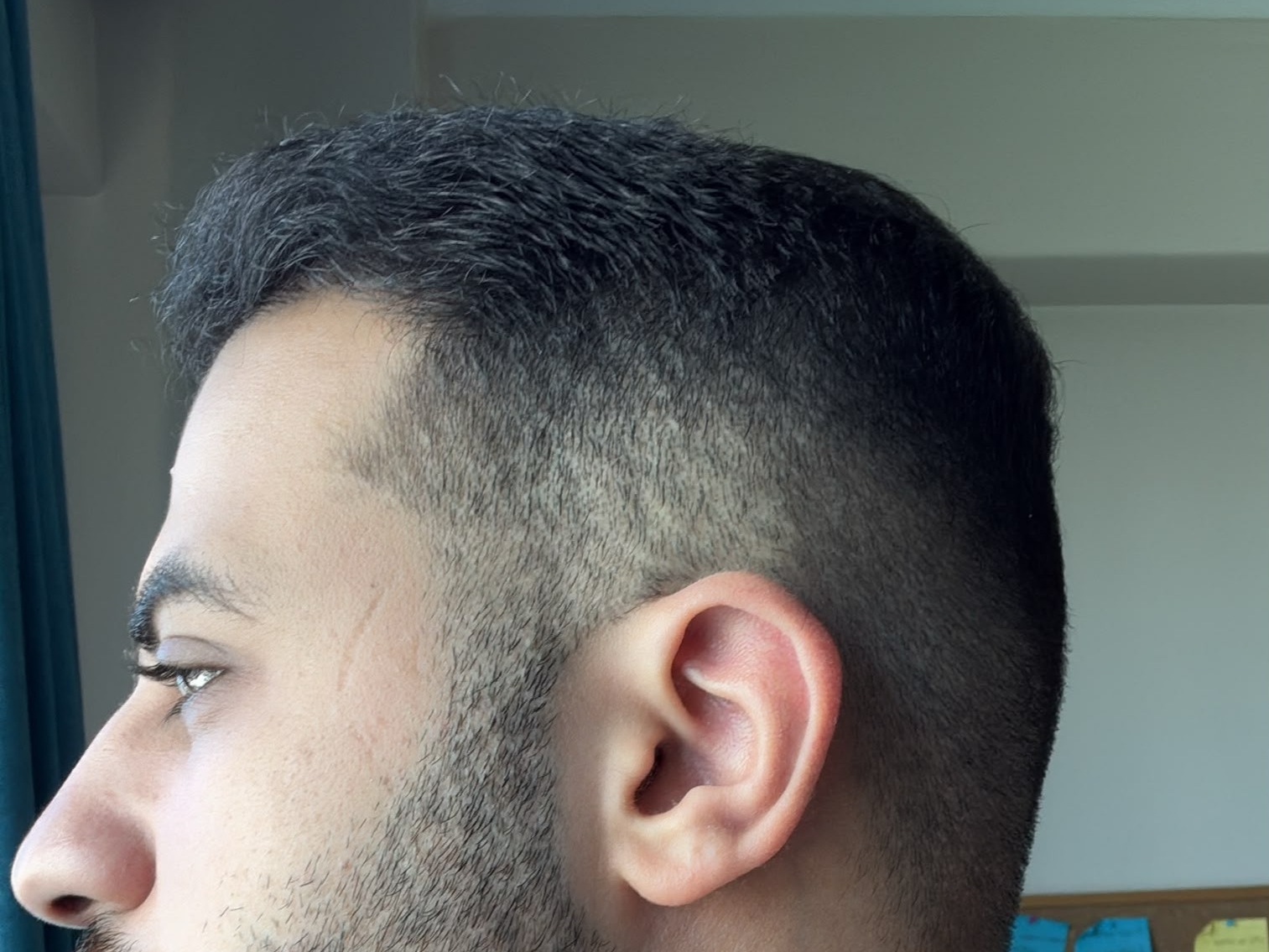
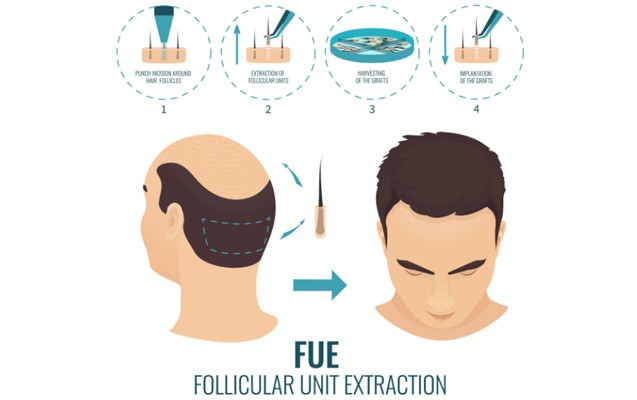
Unlike the traditional FUT strip method, FUE does not require removing a strip of scalp. Instead, individual grafts are extracted using a small punch, leaving tiny circular marks that are generally difficult to notice once the area heals and the surrounding hair grows.
At Turkeymed in Istanbul, Turkey, FUE hair transplantation is performed according to each patient's individual hair loss pattern, donor area, hair characteristics, and desired result. Our specialists carefully plan the hairline and distribution of grafts to achieve a natural-looking appearance.
What Is FUE Hair Transplantation?
FUE stands for Follicular Unit Extraction. A follicular unit naturally contains one or more hairs that grow together from the scalp.
During an FUE hair transplant, these follicular units are individually extracted from the donor area, usually from the back or sides of the scalp. The harvested grafts are then prepared and implanted into areas where the hair is thinning or absent.
The donor area is carefully evaluated because the quality and availability of donor follicles play an important role in determining the possible coverage and density of the transplant.
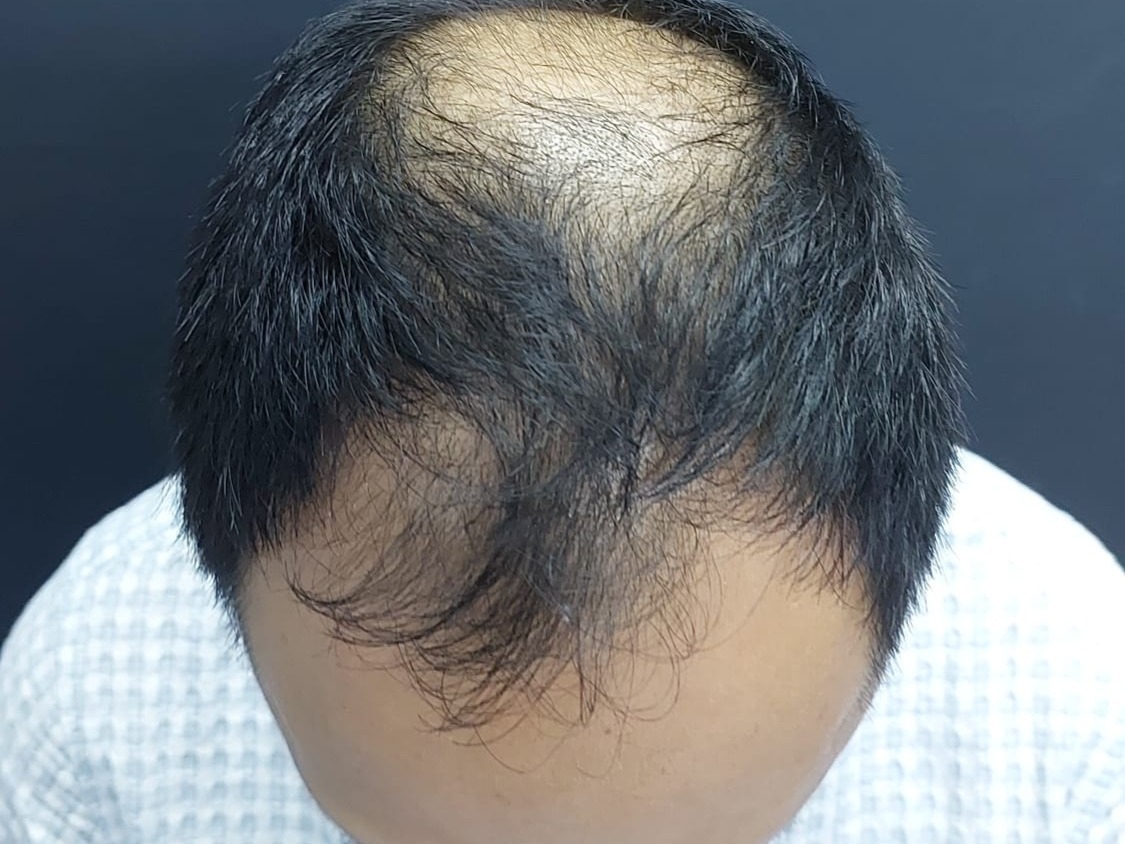
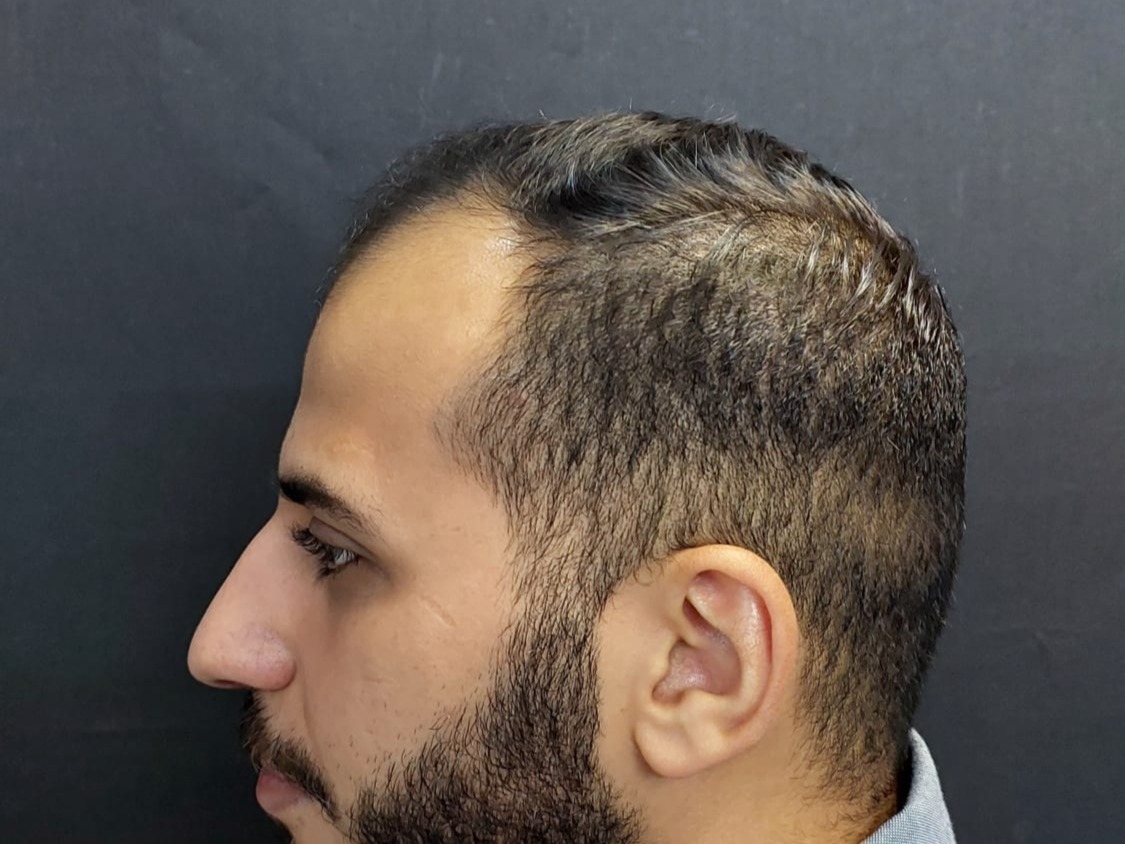
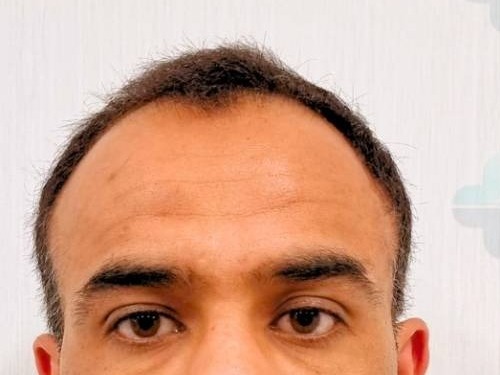
FUE can be used to treat different patterns of hair loss, including receding hairlines, frontal hair loss, thinning in the middle scalp, and, in selected cases, crown thinning.
How Is an FUE Hair Transplant Performed?
An FUE hair transplant generally consists of several carefully planned stages.
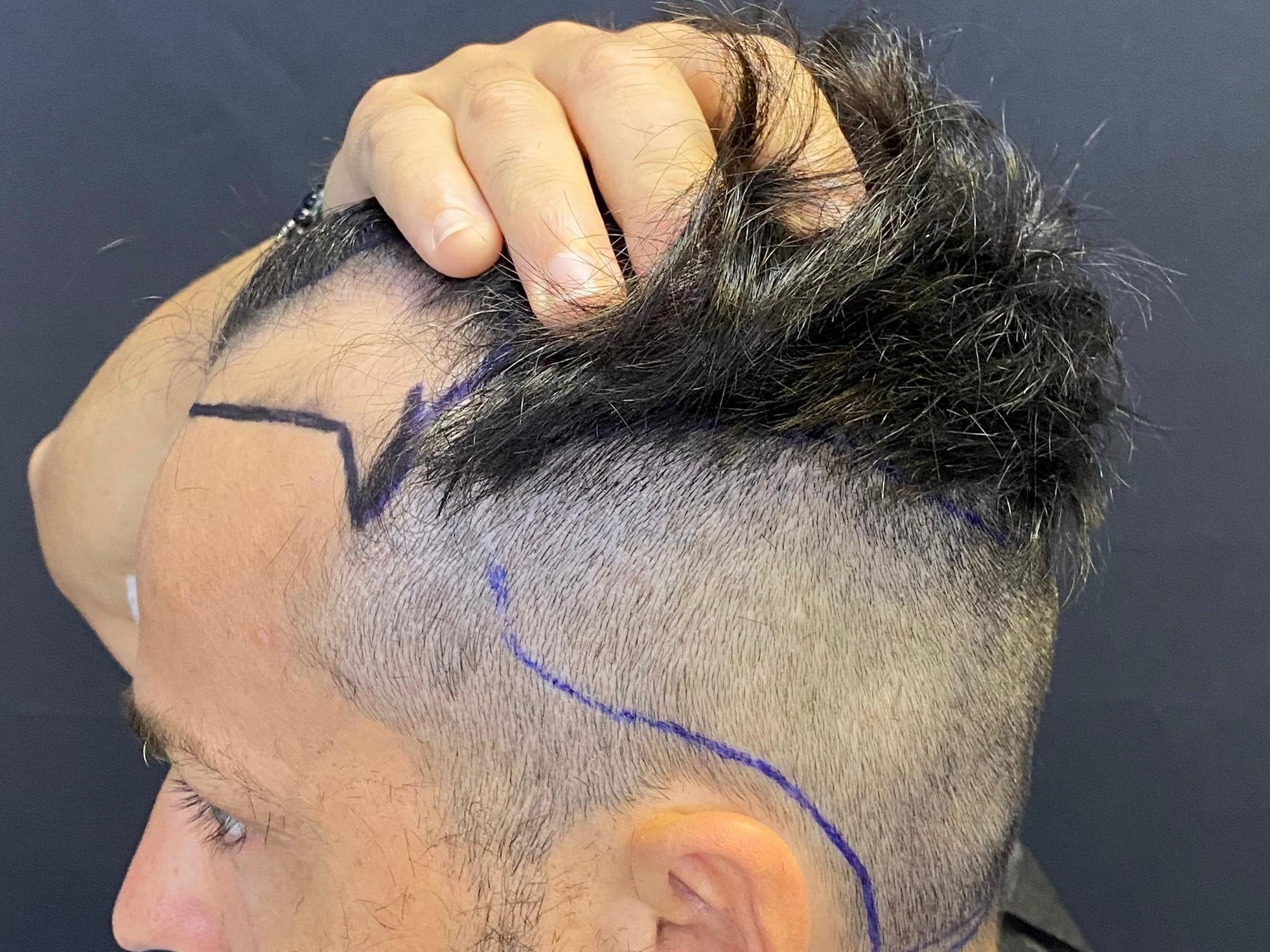
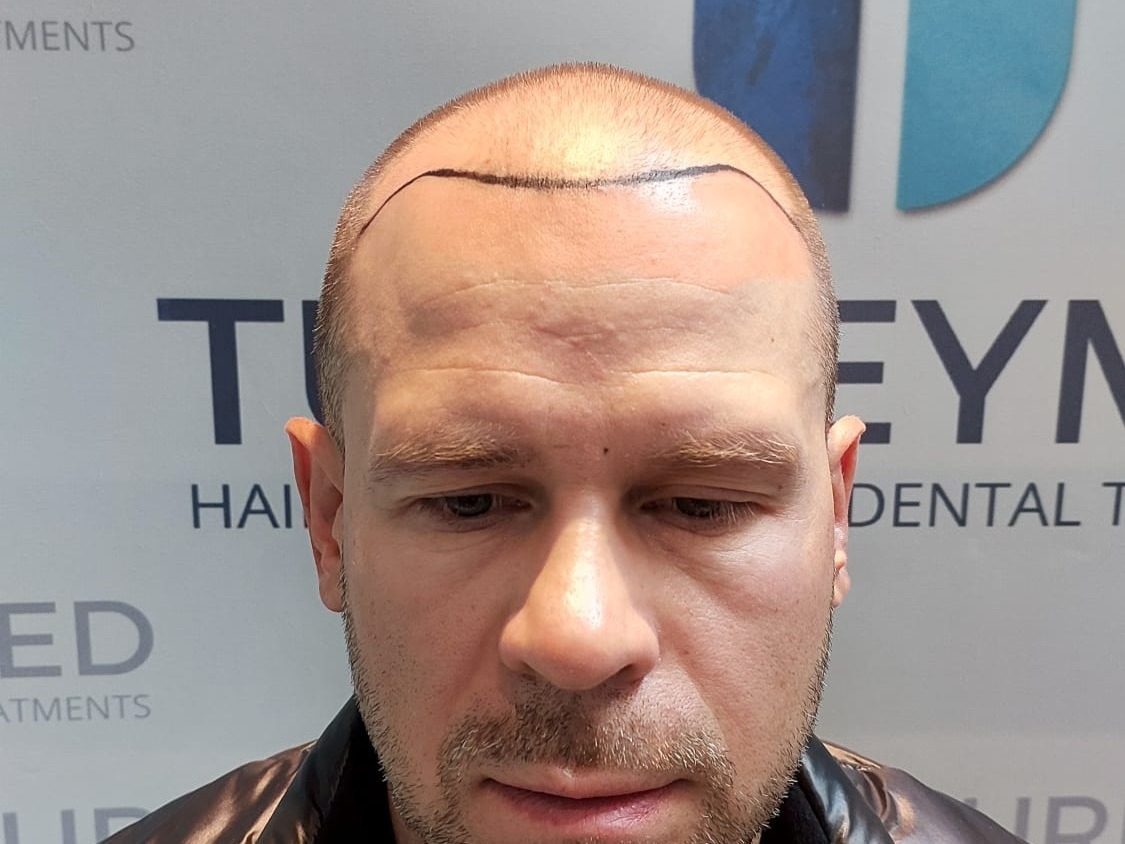
1. Consultation and Hairline Design
Before the procedure, the specialist evaluates your scalp, hair density, donor area, hair-loss pattern, and expectations.
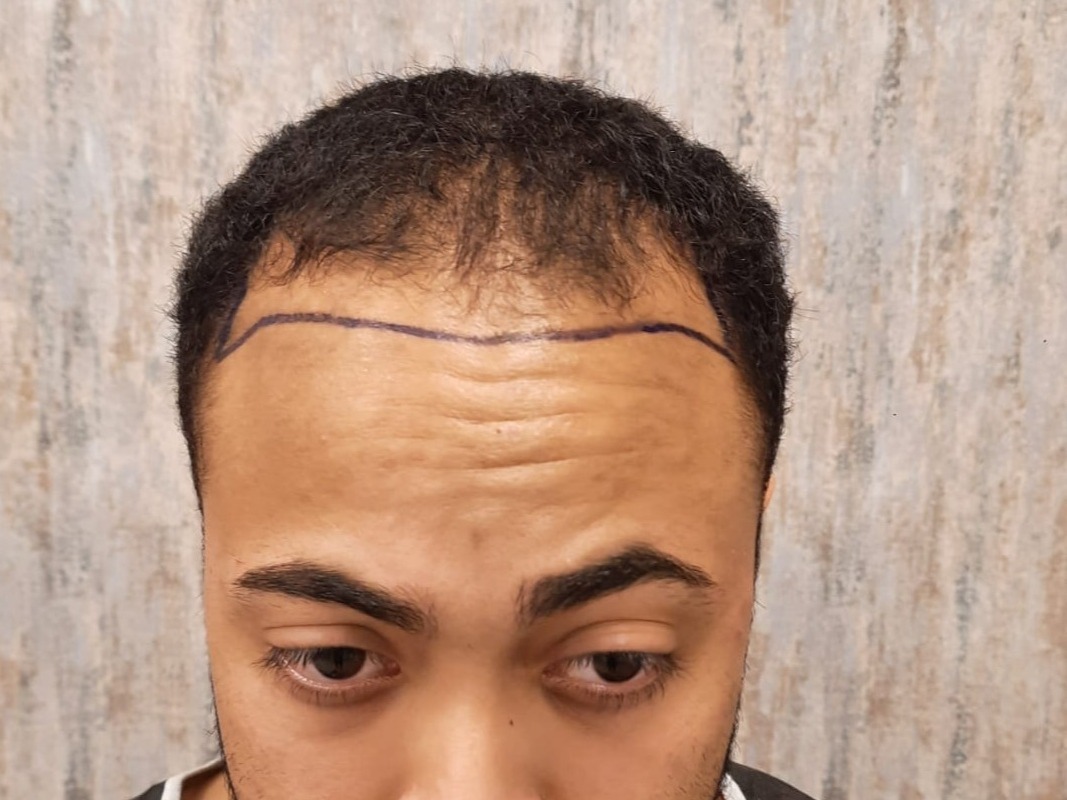
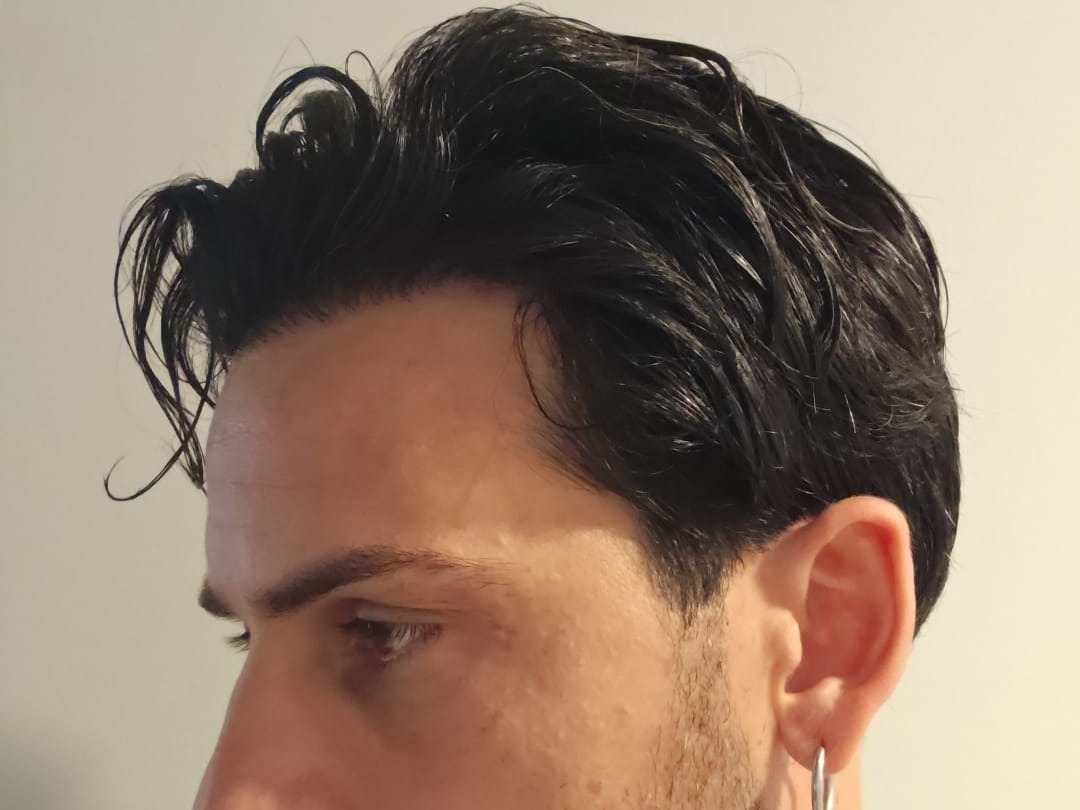
The hairline is then designed according to your facial proportions and existing hair characteristics. A natural hairline should not look overly straight or artificial. The placement, direction, and density of the grafts are carefully considered during the planning stage.
The number of grafts required depends on the size of the treatment area, the desired density, and the available donor hair.
2. Extracting Grafts From the Donor Area
The donor area is usually located at the back or sides of the scalp, where the follicles are generally more resistant to androgenetic hair loss.
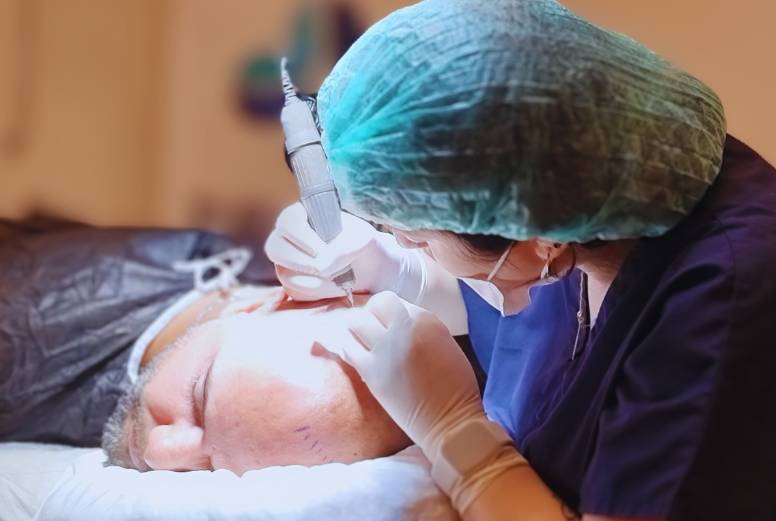
Individual follicular units are extracted using specialized micro-punches. The size of the punch may vary according to the patient's hair and follicle characteristics, commonly within a small range such as approximately 0.6–0.9 mm.
Because the follicles are removed individually rather than as a strip, FUE avoids the linear scar associated with FUT. Small circular extraction marks may remain, but these are generally less noticeable when the procedure is properly performed and the hair grows back around the area.
Careful extraction is essential because excessive trauma or improper handling can damage the grafts.
3. Preparing the Recipient Area
After the grafts have been extracted, the recipient area is prepared for implantation.
Tiny channels or recipient sites are created in the areas where the new hair will be placed. Their angle, depth, direction, and distribution are important for achieving a natural-looking result.
The specialist considers the direction of the patient's existing hair and follows the natural growth pattern as closely as possible.
4. Implantation of the Hair Grafts
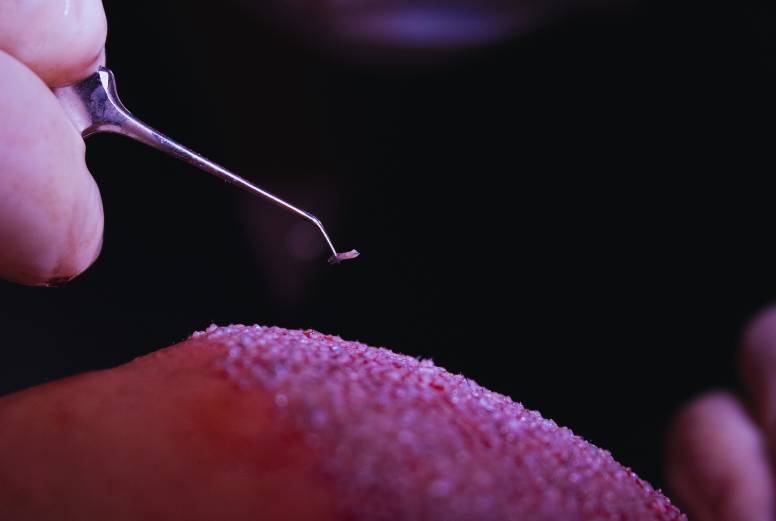
The extracted grafts are carefully placed into the prepared recipient sites.
Single-hair grafts are often useful around the frontal hairline because they can help create a softer and more natural transition. Grafts containing multiple hairs may be positioned behind the hairline where greater density is required.
The goal is not simply to place as many grafts as possible, but to distribute the available donor hair strategically to achieve balanced and natural-looking coverage.
5. Local Anesthesia
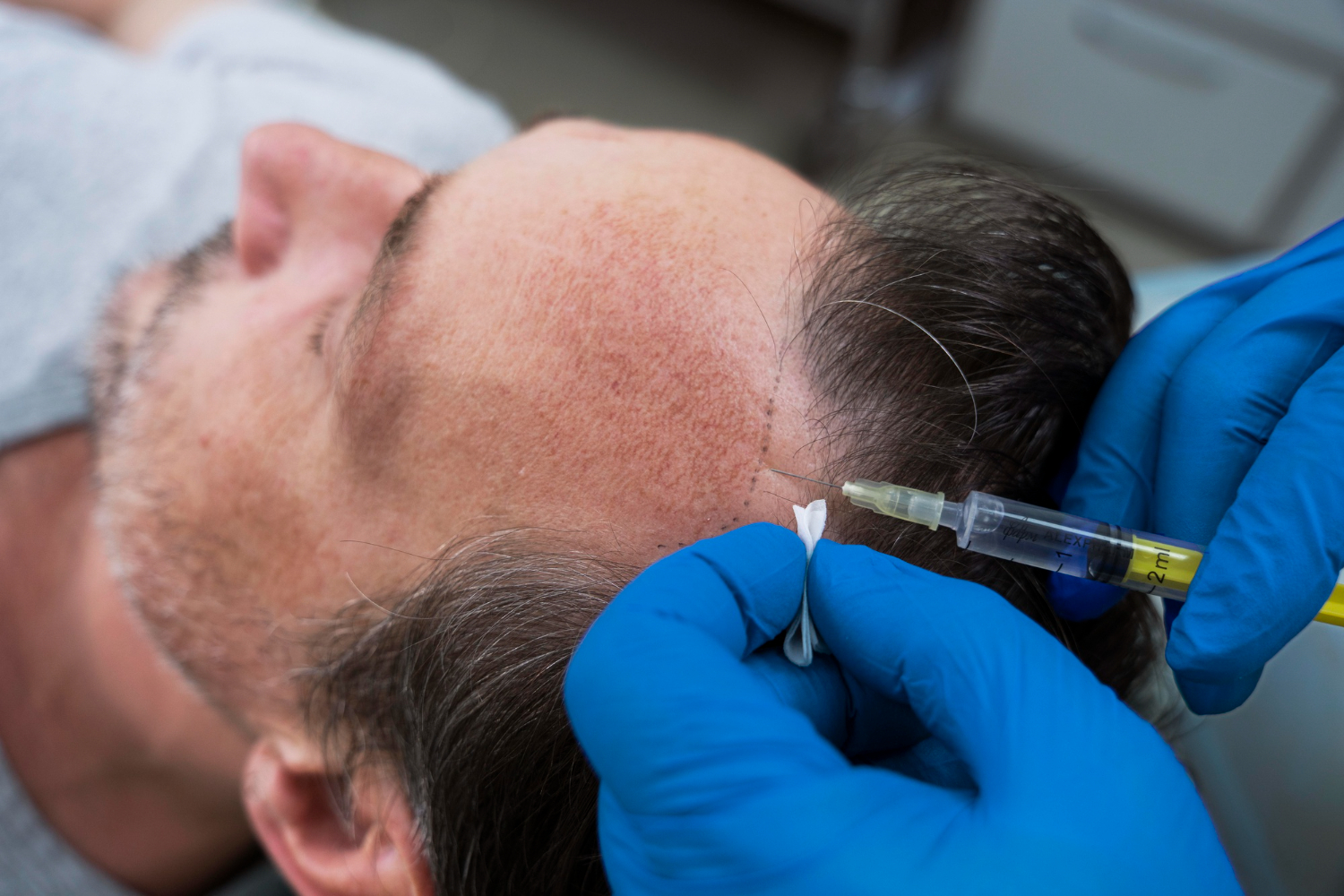
FUE hair transplantation is performed under local anesthesia, allowing the patient to remain awake during the procedure while minimizing discomfort.
The duration of the procedure depends on the number of grafts required and the individual treatment plan. Larger sessions may take several hours.
Benefits of FUE Hair Transplant
FUE has become a popular option for hair restoration because of several advantages:
Individual follicle extraction rather than removing a strip of scalp
No linear FUT scar
Small extraction marks that can become difficult to notice after healing
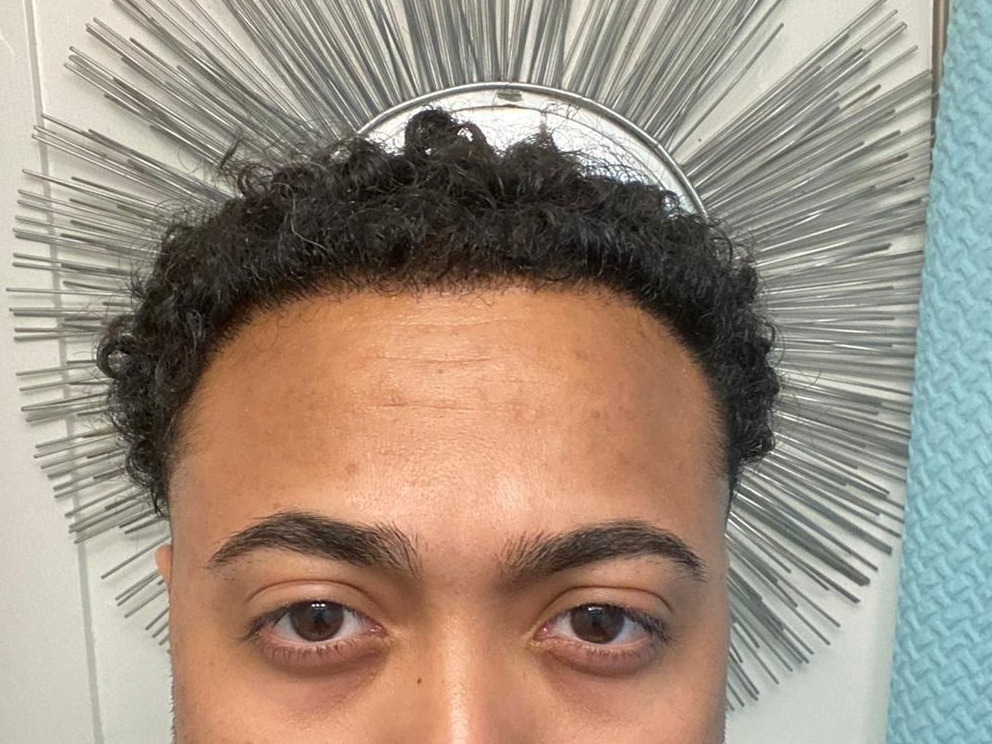
Natural-looking hairline design
Ability to treat different areas of the scalp
Minimal surgical intervention compared with strip harvesting
Relatively short recovery period
Suitable for many men and women, depending on their individual condition
FUE Hair Transplant vs. FUT
The main difference between FUE and FUT is the way donor hair is harvested.
With FUE, individual follicular units are extracted directly from the donor area using micro-punches. With FUT, a strip of scalp containing hair follicles is surgically removed and divided into individual grafts.
FUE is often preferred by patients who want to avoid a linear scar and prefer a less invasive harvesting approach. However, the most appropriate technique depends on the patient's donor area, hair characteristics, degree of hair loss, and treatment objectives.
Who Is a Good Candidate for FUE?
FUE may be suitable for patients experiencing:
Receding hairlines
Male or female pattern hair loss
Thinning hair
Frontal hair loss
Crown or mid-scalp thinning
Hair loss caused by certain types of scarring
A desire to improve hair density
A suitable candidate should have an adequate donor supply and realistic expectations regarding the amount of coverage that can be achieved.
A medical assessment is important because not every type of hair loss can or should be treated immediately with transplantation.
FUE Hair Transplant Recovery
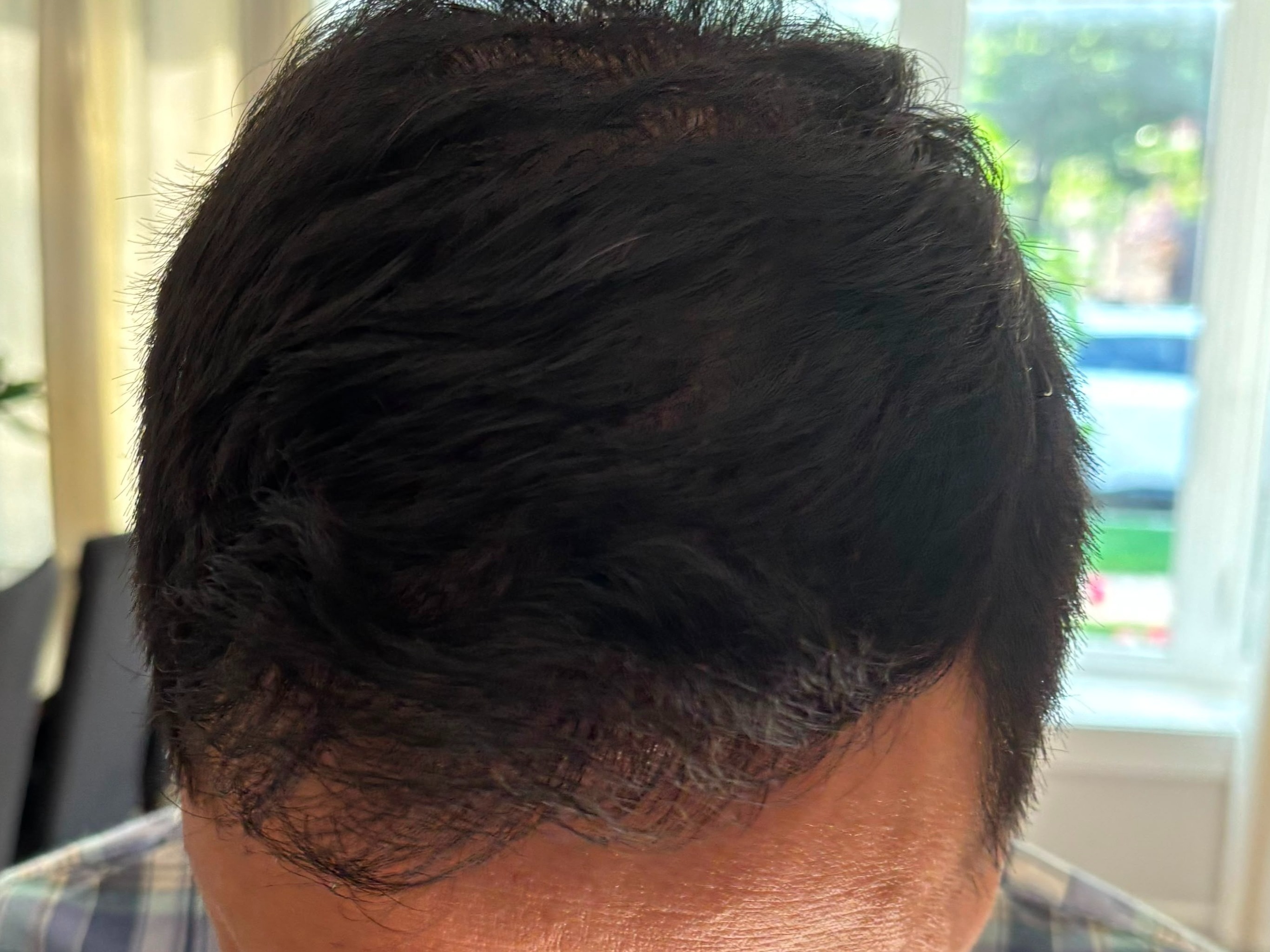
FUE generally has a relatively short recovery period. During the first few days, patients may experience mild redness, swelling, sensitivity, or small scabs in the donor and recipient areas.
These temporary effects gradually improve as the scalp heals.
Patients should carefully follow the clinic's post-operative instructions, including washing recommendations, sleeping position, physical activity restrictions, and protection of the transplanted area.
The initial healing process usually progresses over the first 7–14 days, although complete scalp recovery can take longer depending on the individual.
When Does Hair Start Growing After FUE?
It is normal for transplanted hairs to shed during the first weeks or months after the procedure. This temporary shedding is commonly referred to as shock loss and does not necessarily mean that the transplant has failed.
New hair growth generally begins to become noticeable after approximately 3–4 months. Hair density then gradually improves as the transplanted follicles continue to produce new hairs.
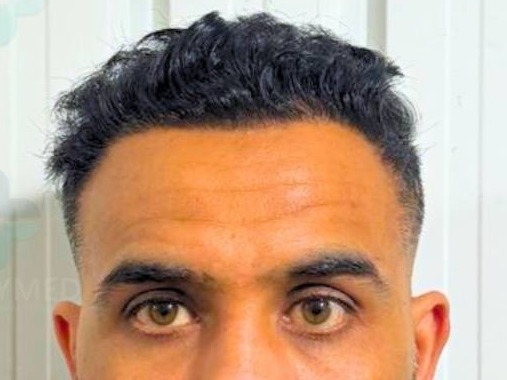
Significant improvement is commonly seen between 6 and 9 months, while the final result is generally assessed around 12 months. Individual results and growth rates can vary.
Are FUE Hair Transplant Results Permanent?
Hair transplanted from a suitable donor area is intended to provide long-lasting growth. However, the long-term result depends on several factors, including donor hair quality, the underlying cause of hair loss, the patient's individual characteristics, and proper post-operative care.
It is also important to understand that a hair transplant does not necessarily stop future hair loss in the non-transplanted areas. Some patients may benefit from medical hair-loss management alongside transplantation.
Why Choose Turkeymed for FUE Hair Transplant in Turkey?
At Turkeymed, we combine individualized treatment planning with modern hair transplantation techniques to help international patients achieve natural-looking hair restoration results.
Our FUE treatment includes:
Individual hair and scalp assessment
Personalized hairline design
Professional graft extraction
Careful graft handling and implantation
Local anesthesia
Post-operative instructions and follow-up
Assistance for international patients traveling to Istanbul
The number of grafts, treatment technique, and expected coverage are determined after evaluating each patient's individual condition.
FUE Hair Transplant in Istanbul, Turkey
Turkey has become a popular destination for international patients seeking hair transplantation. Istanbul offers access to experienced medical teams and modern hair restoration facilities, together with convenient travel connections for patients coming from Europe, the Middle East, Australia, the UK, and other countries.
At Turkeymed, we provide personalized consultations for patients considering FUE hair transplant in Turkey. If you are experiencing hair loss and would like to know whether FUE is suitable for you, you can send us photographs of your hair and donor area for an initial assessment.