Hair Transplant Results: Month-by-Month Growth Timeline
A hair transplant is a gradual process. Unlike procedures that provide an immediate cosmetic change, transplanted hair needs time to heal, enter a new growth cycle, and gradually become thicker and more mature.
After hair follicles are carefully extracted from the donor area and implanted into the recipient area, the transplanted follicles begin adapting to their new environment. During the first few weeks, the scalp goes through an important healing phase. Over the following months, new hair gradually emerges and becomes stronger, thicker, and more natural-looking.
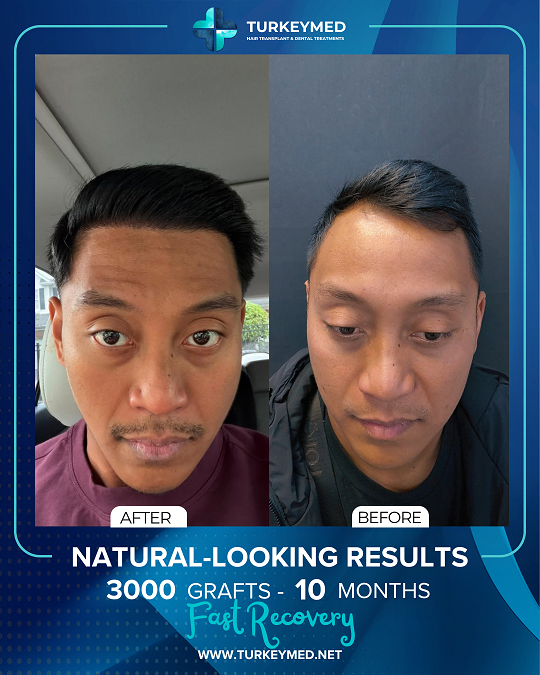
Although every patient is different, the complete maturation of transplanted hair can take 12 to 18 months. The final result depends on factors such as the patient's age, hair characteristics, donor area, type of hair loss, number of grafts, technique used, and individual healing and growth cycle.
What Happens After a Hair Transplant?
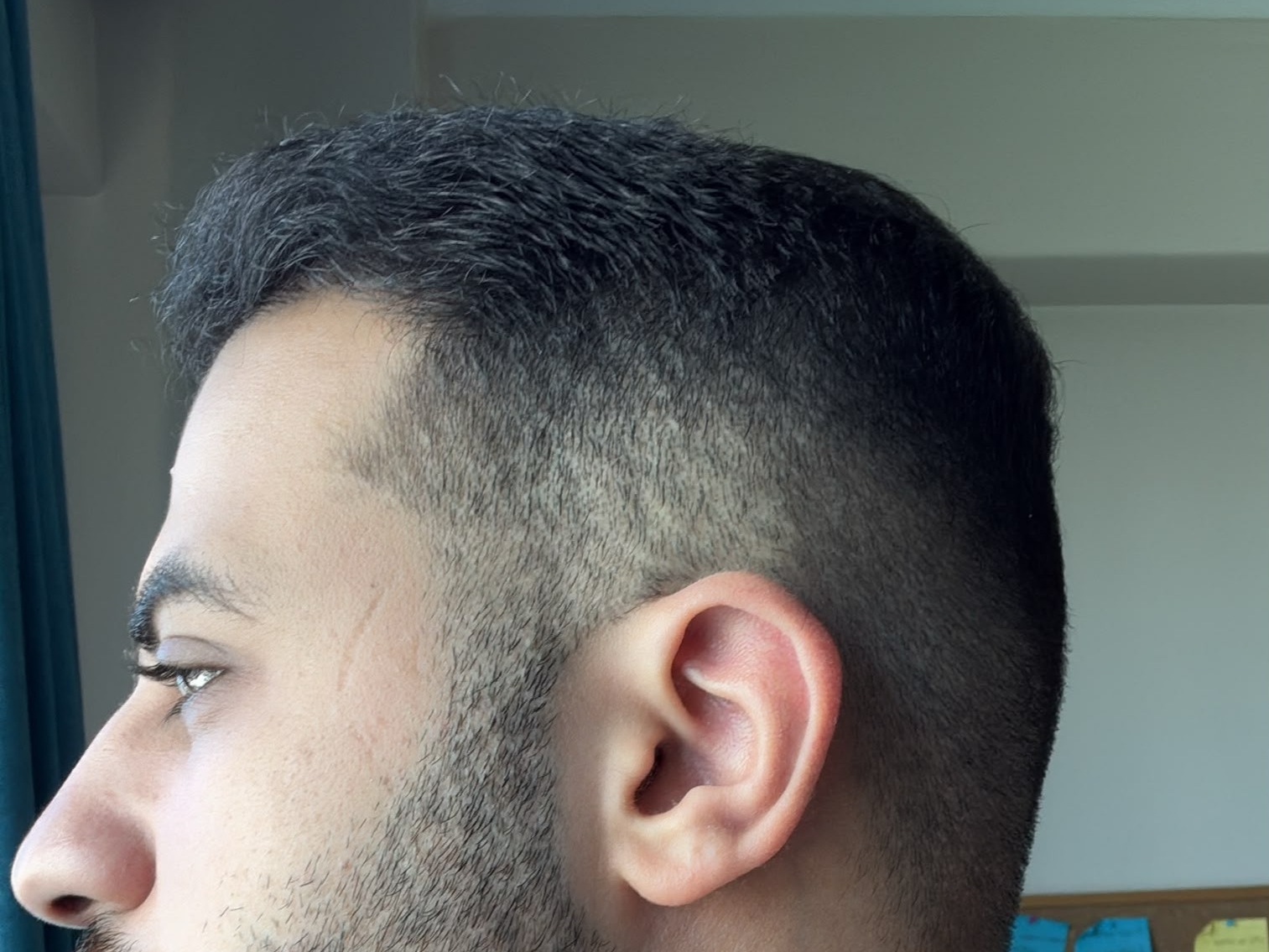
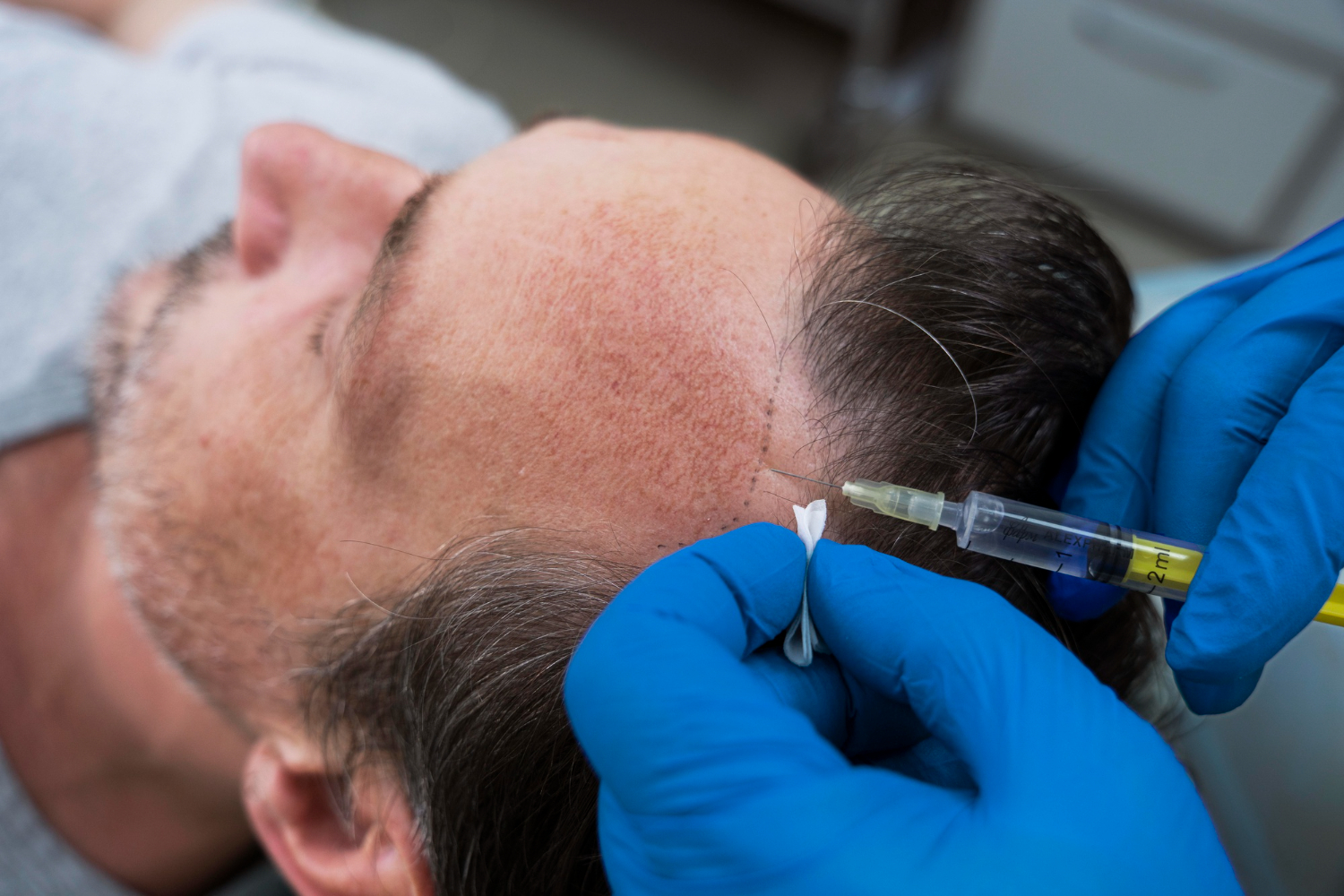
Immediately after the procedure, the transplanted follicles are positioned in their new locations. The scalp may appear red or slightly swollen, and small crusts can develop around the transplanted grafts.
During the first few days, careful aftercare is important to protect the newly implanted follicles. As the scalp heals, the temporary redness and crusting gradually disappear.
One of the most important stages begins during the first few weeks: temporary shedding of the transplanted hair shafts.
This can sometimes cause concern for patients, but it is generally a normal part of the hair growth cycle. The visible hair may fall out while the follicle remains in the scalp. The follicle can then enter a resting phase before producing new hair.
Hair Transplant Results After 2 Weeks
Approximately two weeks after a hair transplant, the scalp is usually entering an important healing stage.
The small crusts that developed around the grafts should gradually disappear, and the transplanted area may begin to look more natural. Some patients may already notice changes in the transplanted hairs, while others may not see much visible growth.
It is also possible for transplanted hairs to begin shedding during this period or during the following weeks.
This process is commonly known as shock loss or temporary shedding. It is important to understand that the shedding of the visible hair shaft does not necessarily mean that the transplanted follicle has been lost.
The follicle remains beneath the skin and can continue through its natural growth cycle.
At this stage, patients should avoid judging the final result. The appearance during the first few weeks does not represent the final outcome of the transplant.
Hair Transplant Results After 1 Month
Around one month after the procedure, most patients have completed the initial healing phase.
The transplanted area may look similar to how it appeared before the procedure, and in some cases there may appear to be less hair because of temporary shedding.
This stage can be frustrating because patients are waiting for visible growth, but it is a normal part of the process.
The transplanted follicles may now be in a resting phase. Although there may be little visible activity on the scalp, the follicles remain beneath the skin and are preparing for their next growth cycle.
Continuing to follow the clinic's post-operative care instructions is important during this period.
Hair Transplant Results After 3 Months
Around the third month, some patients begin to notice the first signs of new hair growth.
The new hairs may initially be:
Thin
Fine
Light in color
Uneven in length
Softer than the surrounding hair
This is normal. Newly growing transplanted hairs usually need time to develop their mature thickness and texture.
Not every patient will experience visible growth at exactly three months. Some patients may see growth earlier, while others may need several additional months before noticeable improvement occurs.
Patience is therefore essential during this stage.
Hair Transplant Results After 4 Months
By approximately four months, new hair growth may become more noticeable.
The transplanted follicles gradually begin producing new hairs, although the density can still appear limited. Some hairs may grow at different rates, creating an uneven appearance.
Occasionally, newly emerging hairs may cause small bumps or pimples around the follicles. This can occur as new hairs emerge through the scalp and is sometimes referred to as folliculitis.
If you experience significant pain, increasing redness, pus, fever, or symptoms that are becoming worse rather than improving, you should contact your doctor or dermatologist for an appropriate evaluation.
At this stage, the transplanted hair is still immature, and it is too early to judge the final density.
Hair Transplant Results Between 4 and 8 Months
The period between approximately four and eight months is often when patients begin to notice a more significant transformation.
New hairs continue to emerge, while existing transplanted hairs gradually become thicker and stronger.
During this period:
Hair density gradually increases
Thin hairs begin becoming thicker
The hairline becomes more defined
Previously thin areas start showing better coverage
The overall appearance becomes increasingly natural
Growth does not always occur evenly across the entire scalp. Some areas may develop faster than others, particularly when comparing the frontal area with the crown.
The crown can sometimes take longer to show noticeable improvement because of the direction and natural growth pattern of the hair in this area.
Hair Transplant Results After 8 Months
At approximately eight months, many patients can see a clear improvement compared with the first few months after surgery.
The transplanted hair is usually more visible and continues to increase in thickness and density.
The hair may still not have reached its final maturity, however. Some transplanted hairs can remain relatively thin or have a different texture from the surrounding hair.
During the following months, these hairs can continue to mature and become thicker.
Hair Transplant Results After 12 Months
Around 12 months after a hair transplant, a large part of the final result is usually visible.
The transplanted hair should have developed greater thickness and improved density, creating a more natural overall appearance.
The hairline and frontal area can often be assessed more clearly at this stage. However, patients should remember that individual growth rates vary.
Some people continue to experience additional maturation after the 12-month mark, especially in areas such as the crown.
Hair Transplant Results After 18 Months
For some patients, the transplanted hair may continue to mature for up to 18 months.
This is particularly relevant when evaluating slower-growing areas or when additional thickness and texture development are still occurring.
By this stage, the transplanted hair can generally be evaluated much more accurately in terms of:
Hair density
Hair thickness
Hairline appearance
Coverage of the treated area
Overall natural appearance
The final outcome varies between individuals, so no two patients will necessarily achieve exactly the same result.
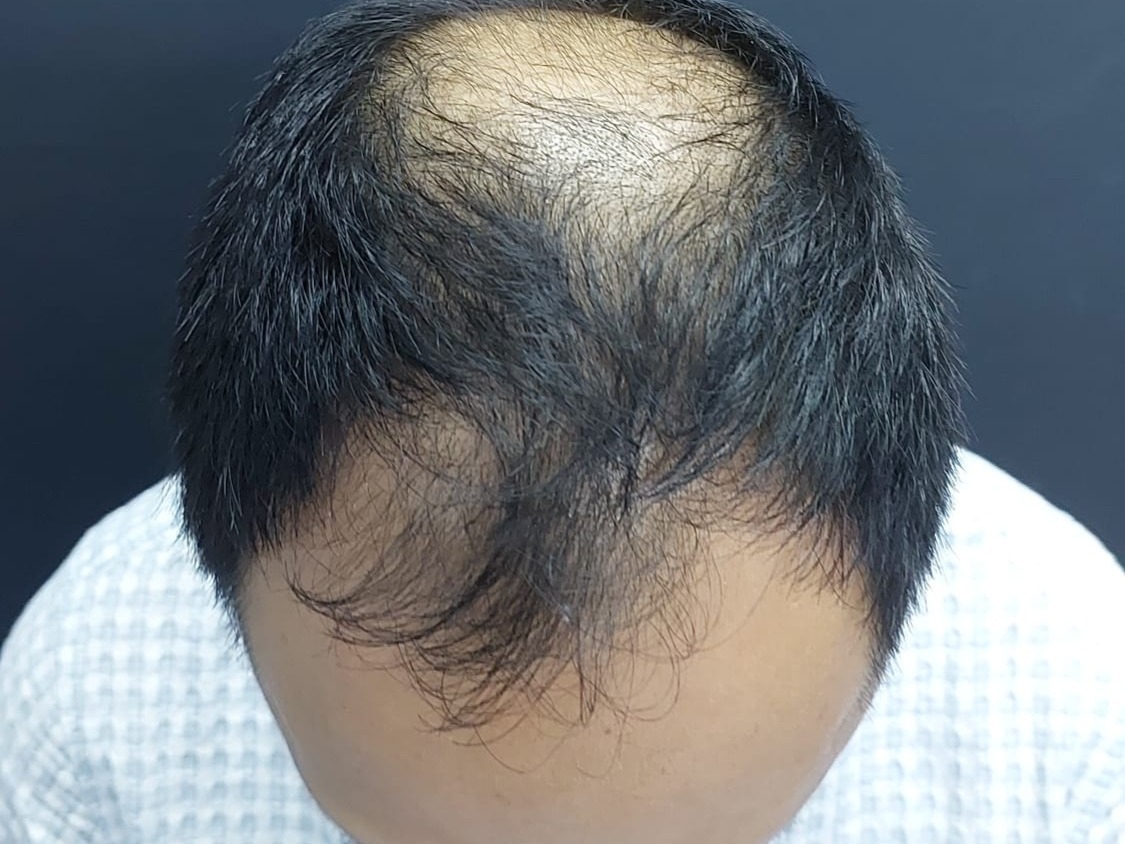
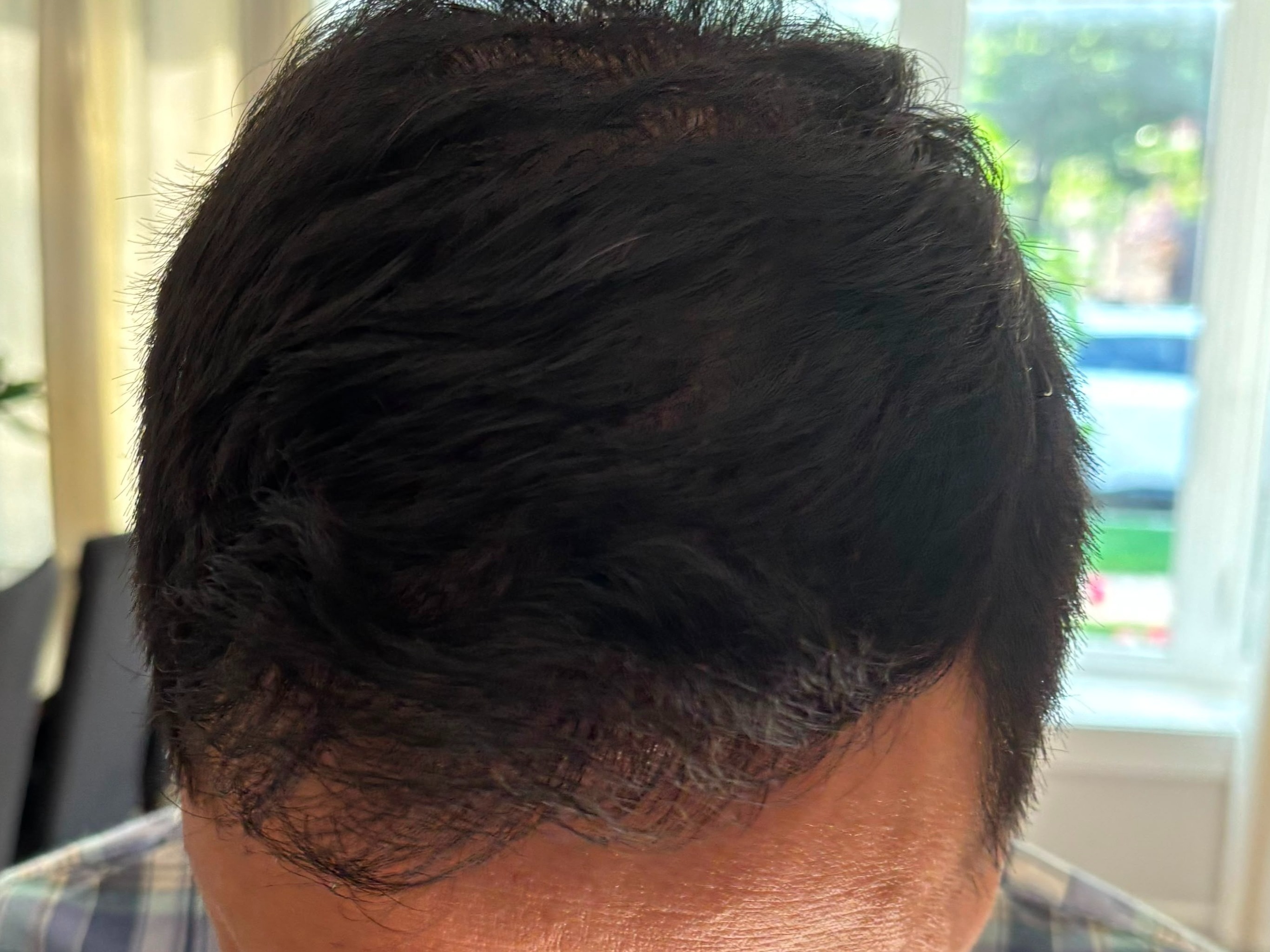
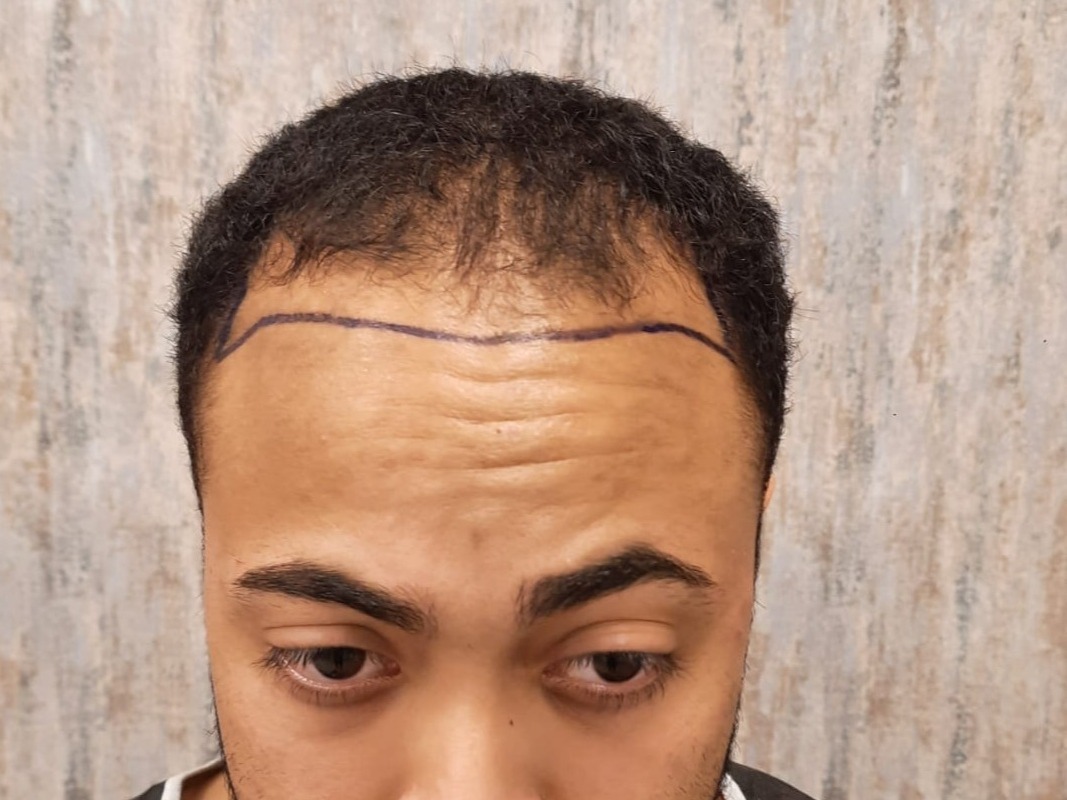
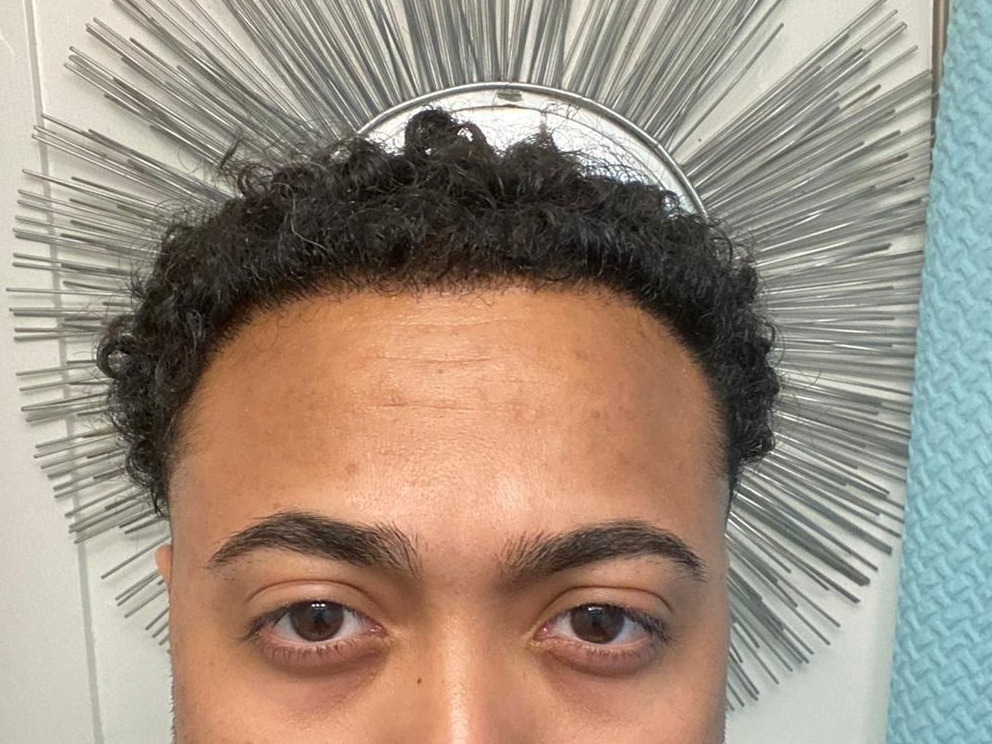
Hair Transplant Before and After Results
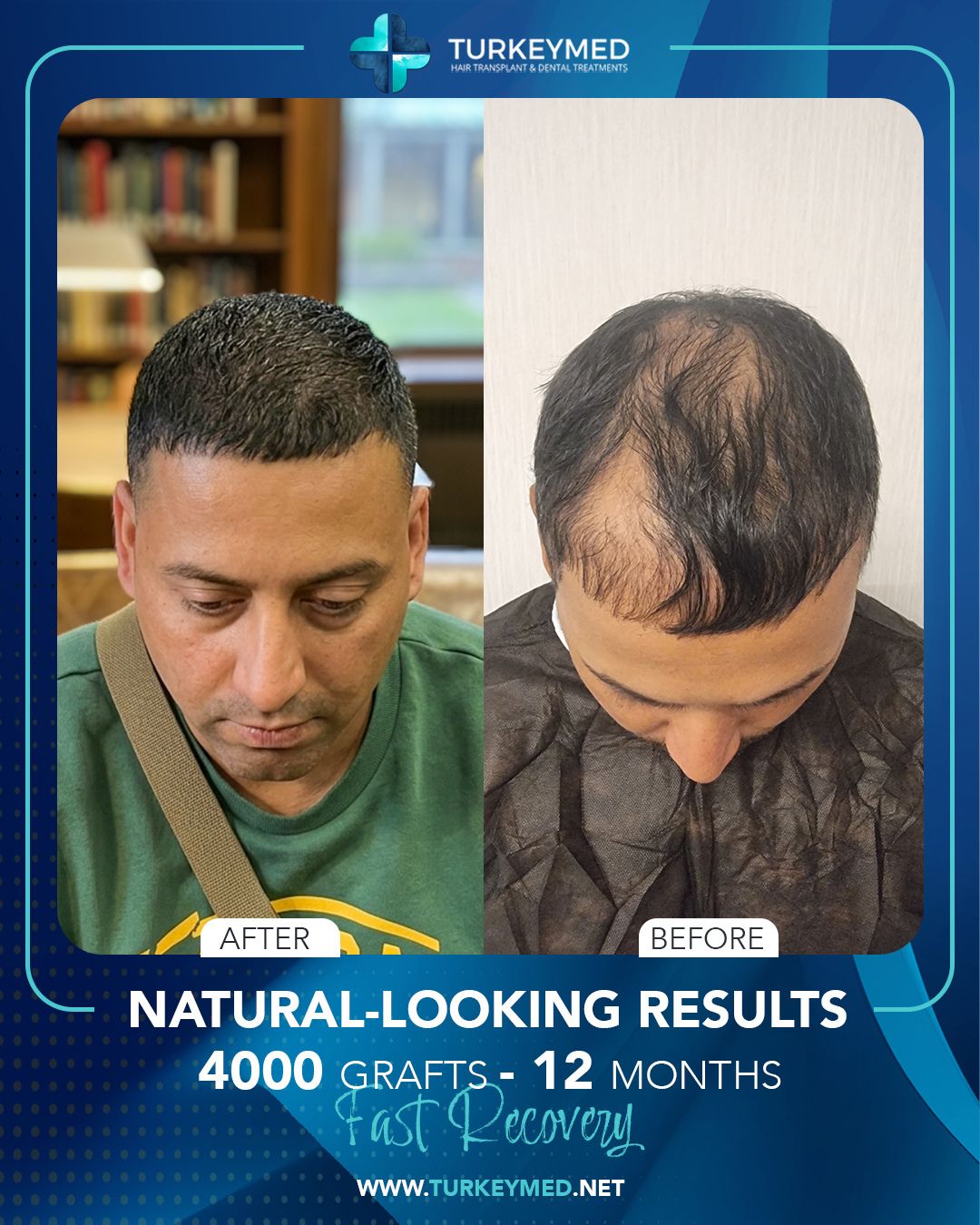
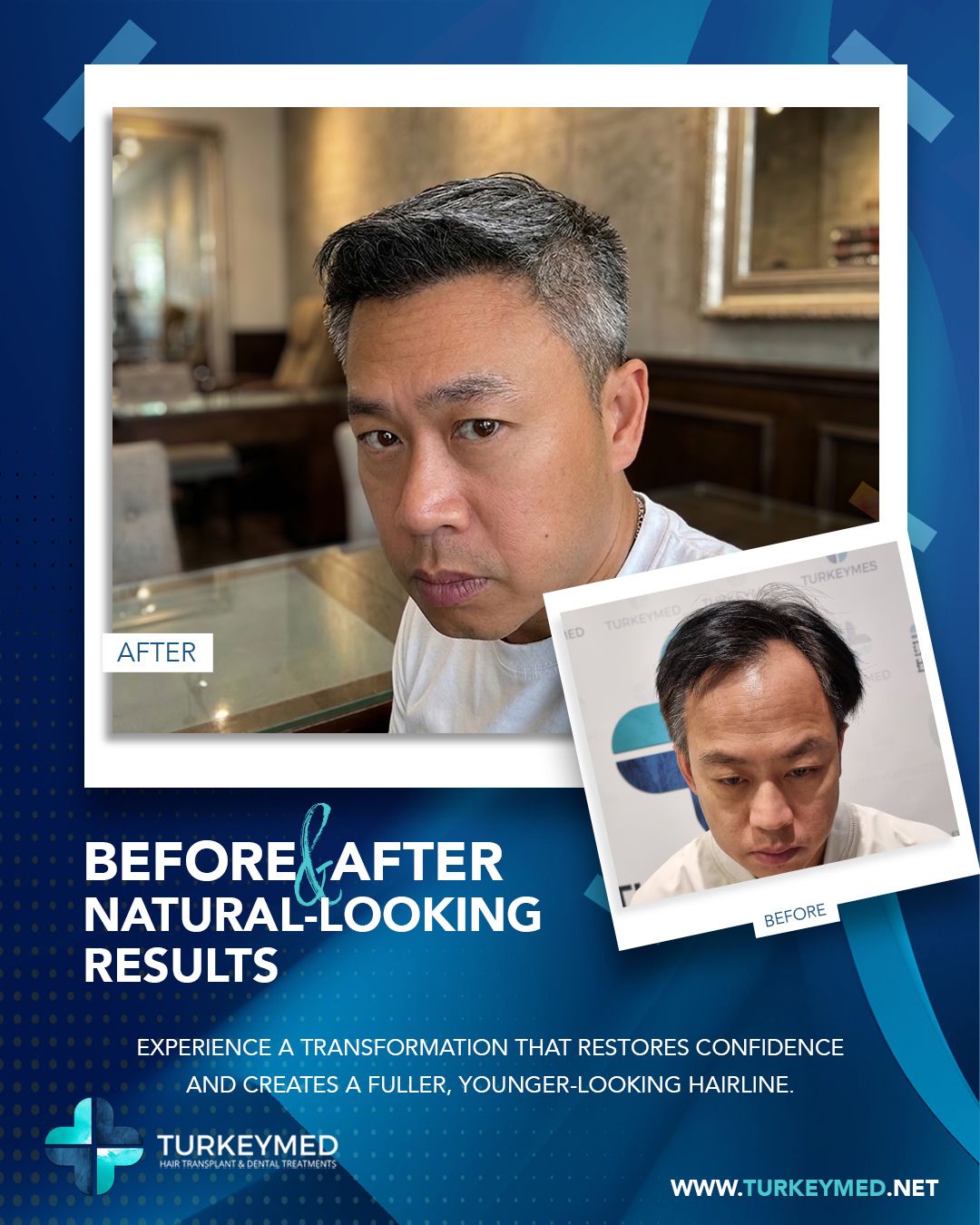
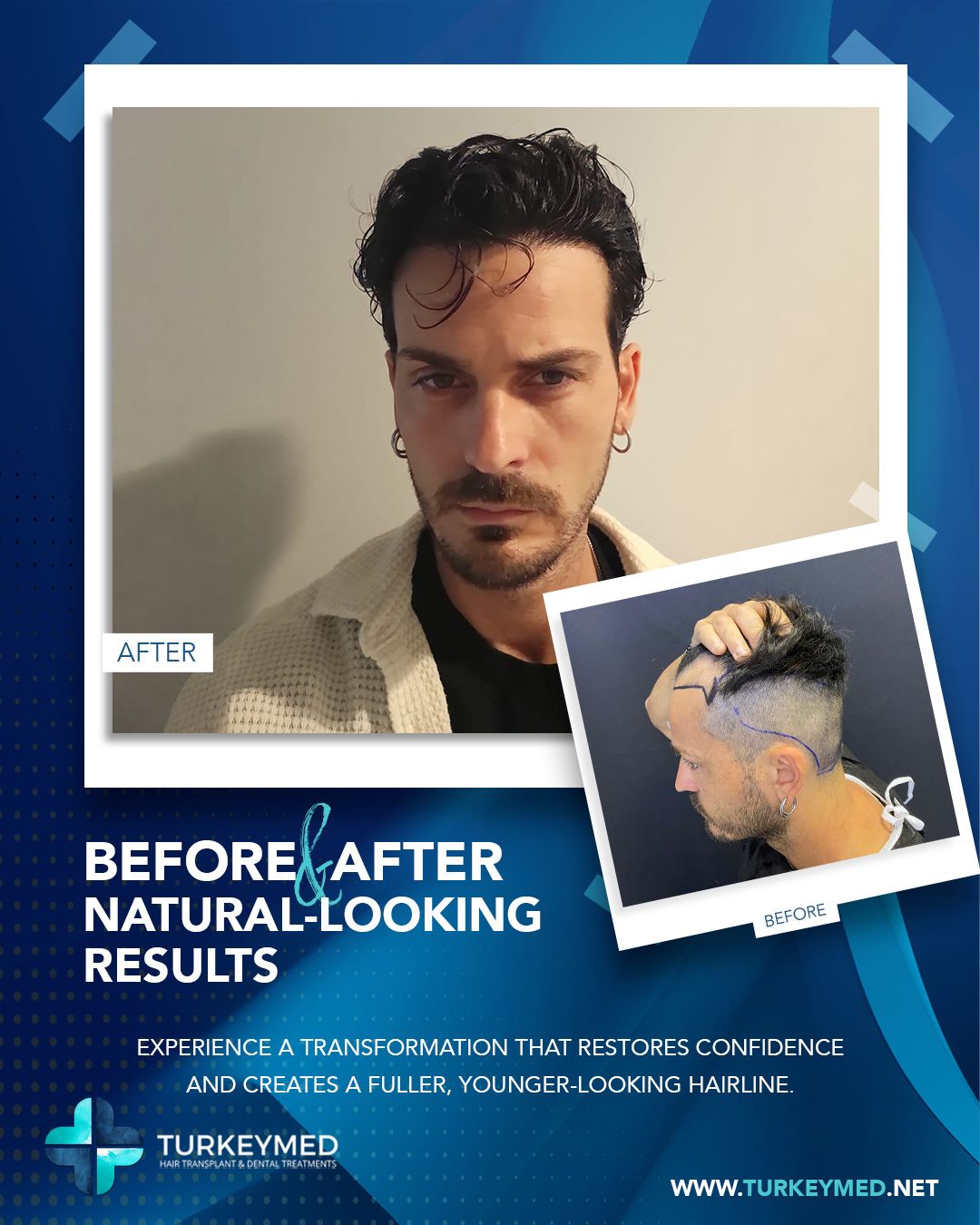
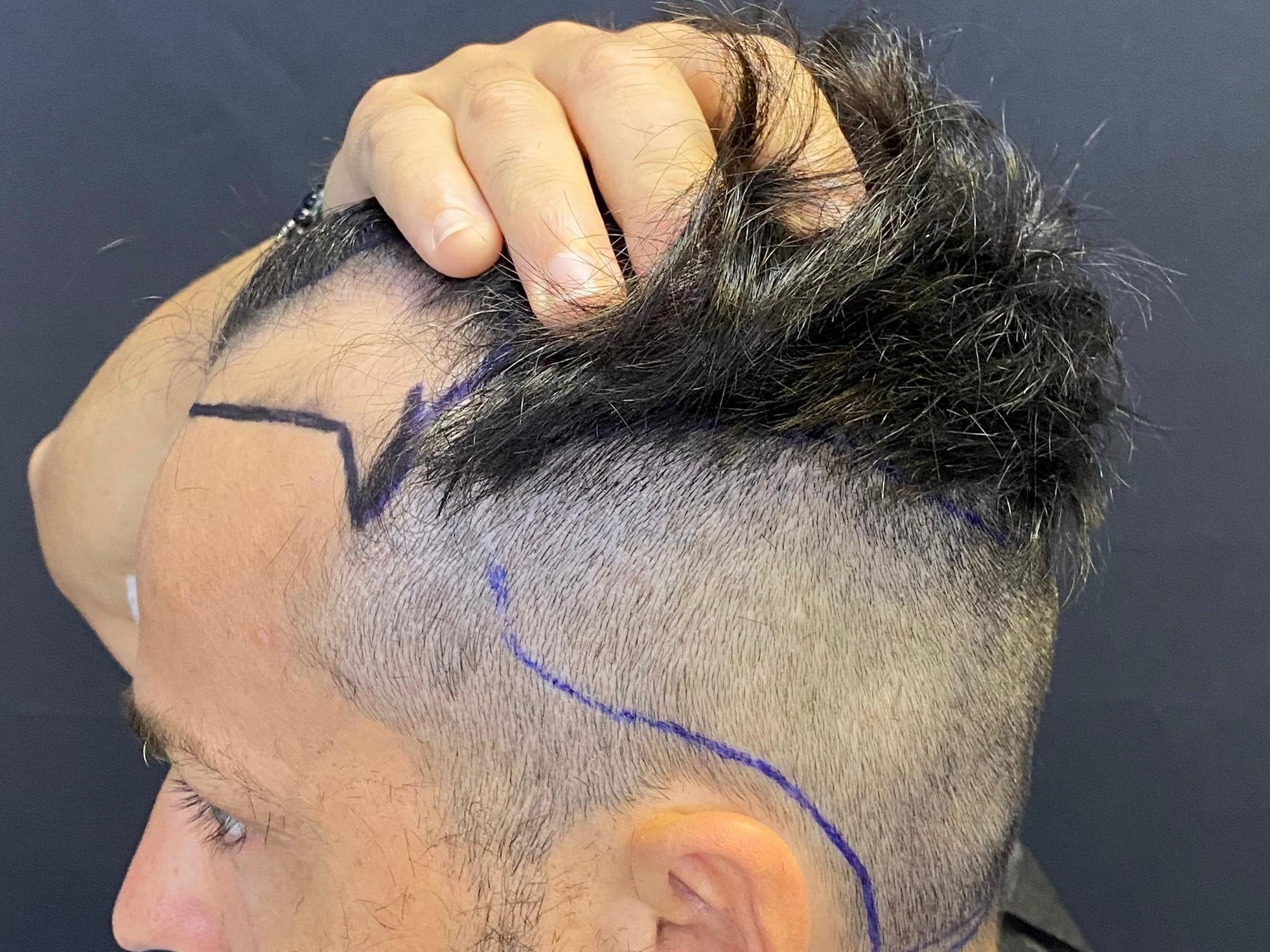
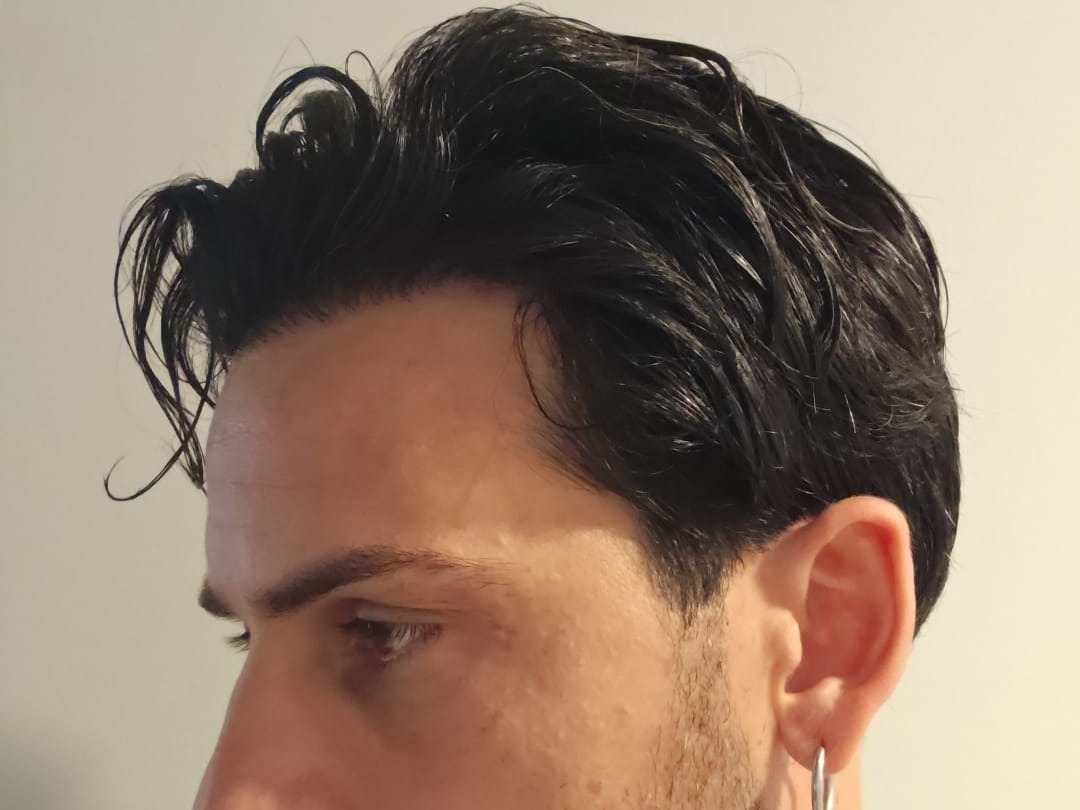
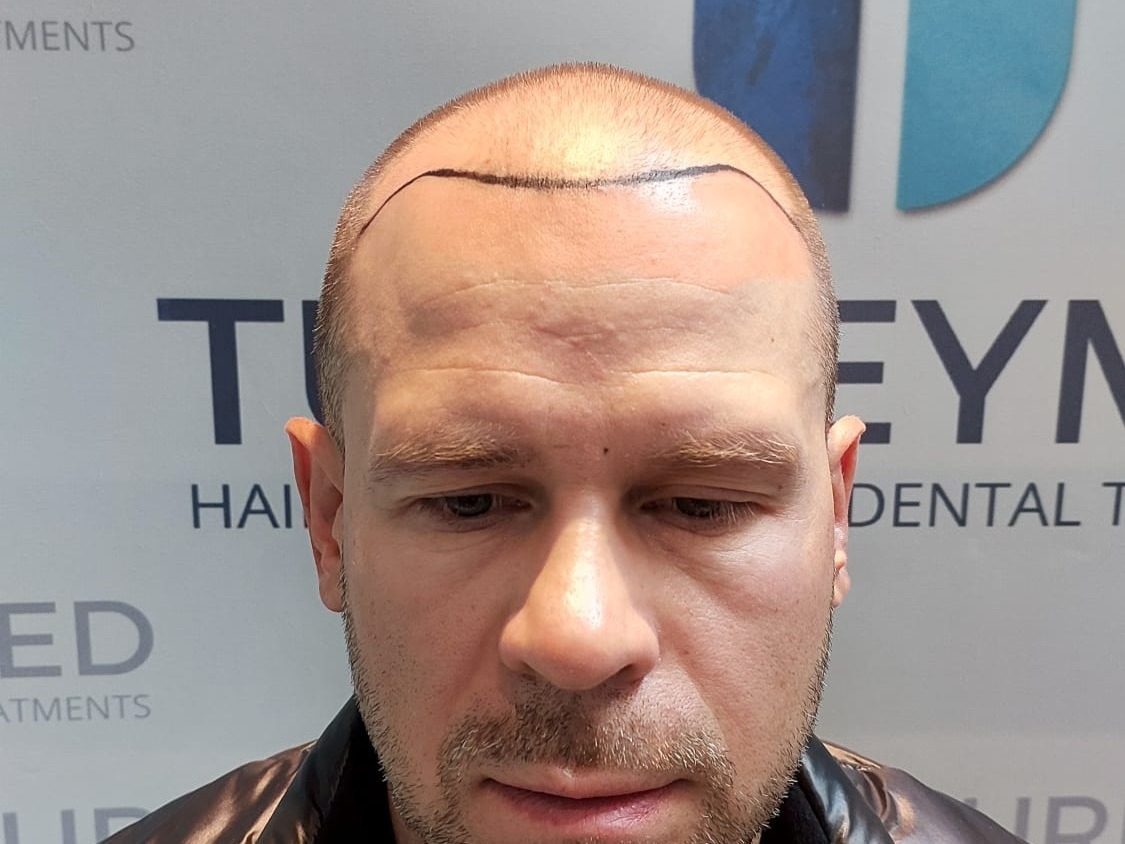
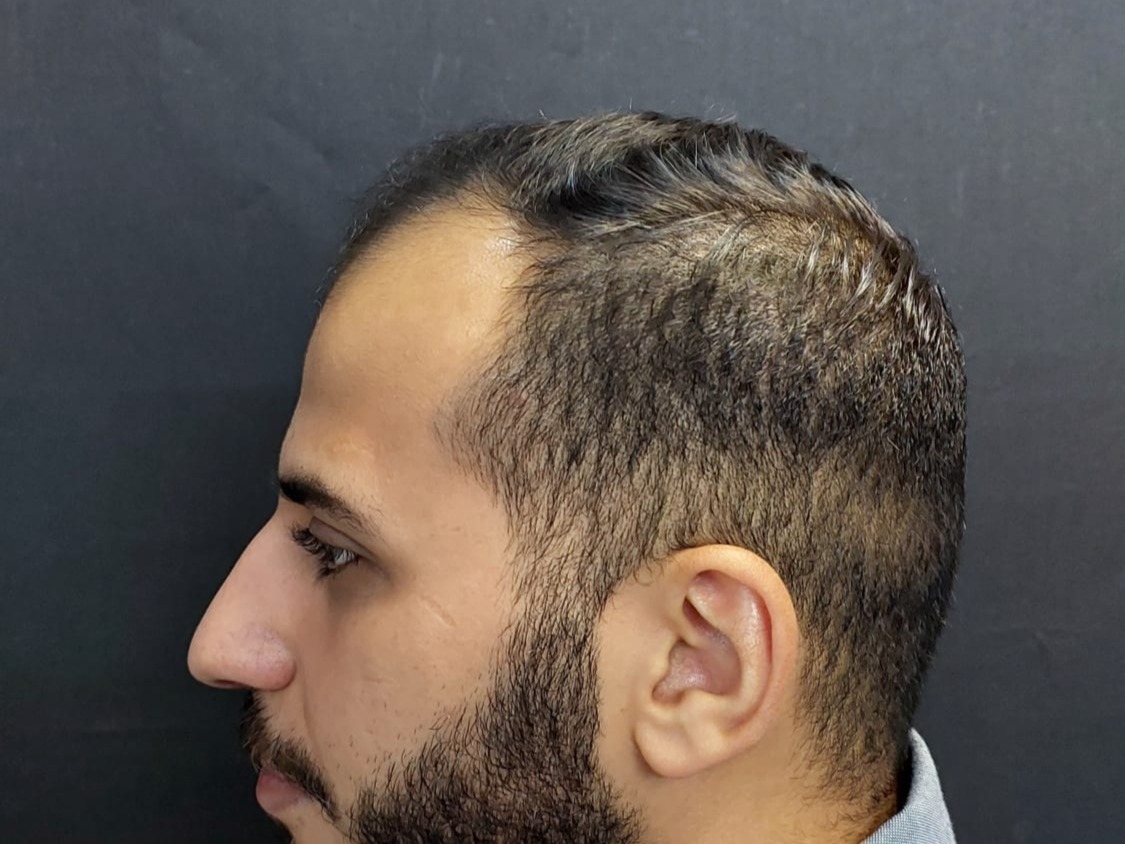
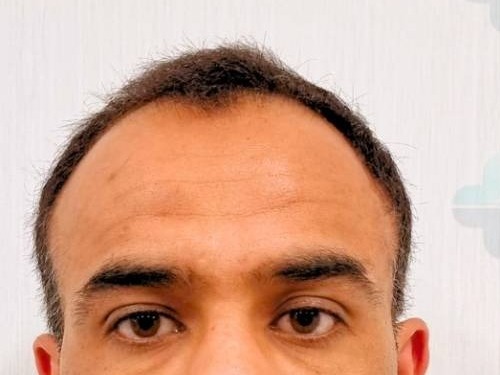
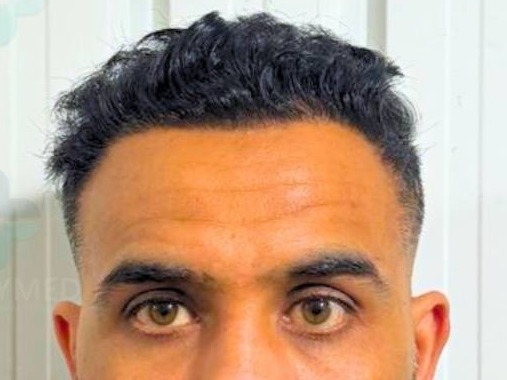
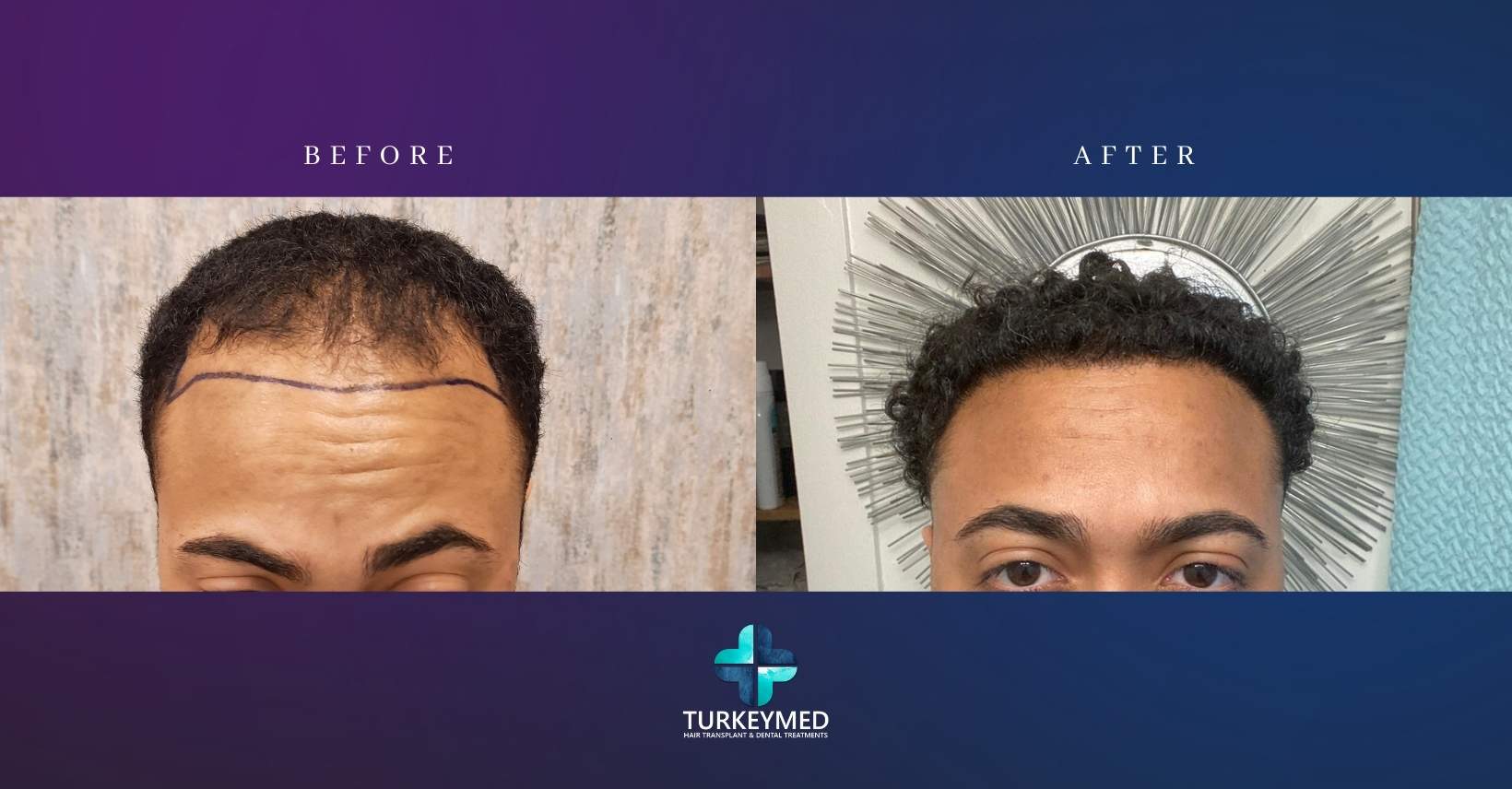
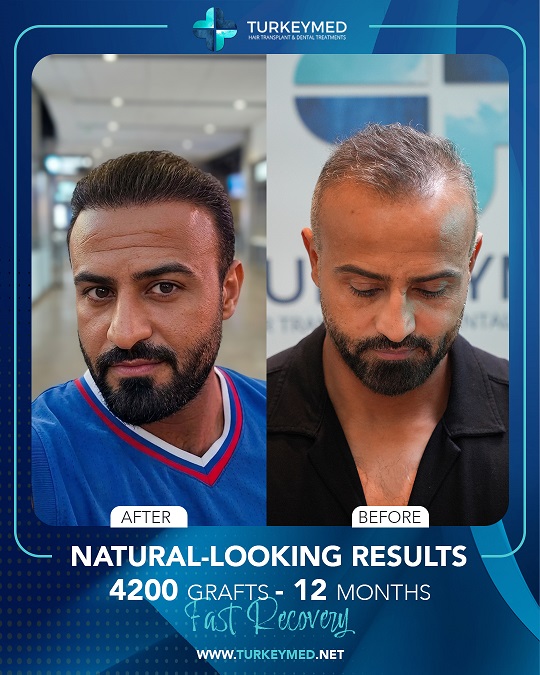
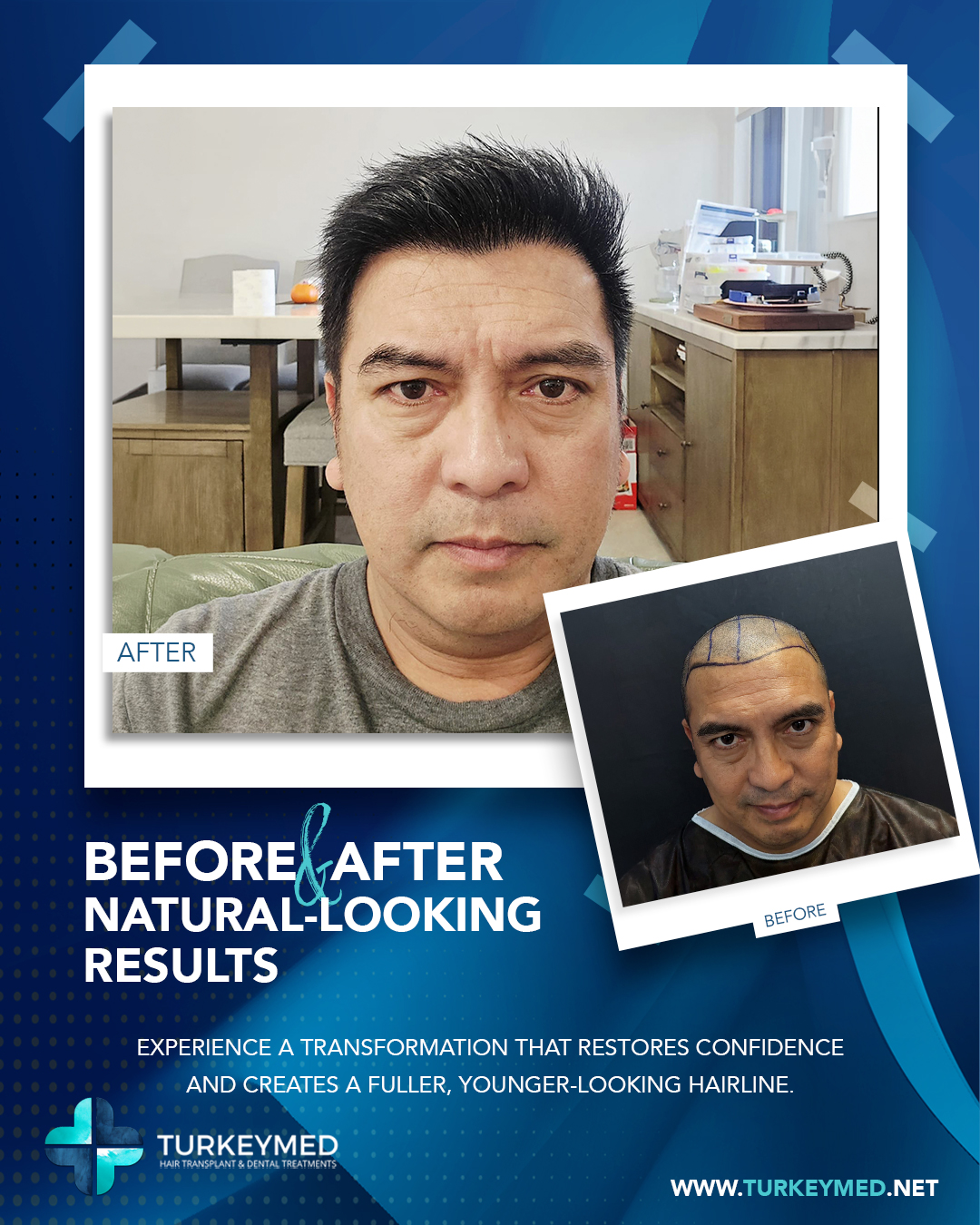
Before-and-after photographs can help patients understand the potential transformation following a hair transplant. However, results should always be considered individually.
Factors such as the original degree of hair loss, donor density, number of transplanted grafts, hair caliber, age, and individual growth characteristics can influence the final appearance.
When comparing photographs, it is important to consider:
The time between the procedure and the final photograph
Lighting conditions
Hair length and styling
Camera angle
The number of grafts transplanted
The area treated
For this reason, photographs should be used as examples rather than a guarantee of a specific result.
What Factors Affect Hair Transplant Results?
The final outcome of a hair transplant depends on several factors.
Donor Area Quality
The availability and quality of the donor hair are important because the transplanted follicles come from this area. A strong donor area can provide more options for achieving coverage.
Number of Grafts
The number of grafts required depends on the patient's hair loss and the size of the treatment area. More grafts do not automatically mean a better result; strategic distribution is important.
Hair Characteristics
Hair thickness, texture, color, and the number of hairs contained in each follicular unit can influence the visual density achieved after transplantation.
Hair Loss Pattern
The pattern and progression of hair loss can affect the treatment plan. Patients with continuing non-transplanted hair loss may require additional management to preserve their existing hair.
Individual Growth Cycle
Every person has a different biological hair-growth cycle. Some patients experience faster visible growth, while others require more time.
Post-Operative Care
Following the clinic's instructions after surgery can help protect the transplanted area during the early healing period.
Is Hair Transplant Growth Immediate?
No. A hair transplant does not produce immediate full-density hair.
The transplanted follicles need time to heal and transition into their natural growth cycle. Temporary shedding is common, followed by gradual new growth.
For this reason, patients should not expect their final result during the first few weeks or even the first few months.
A realistic timeline is:
0–2 weeks: Healing, redness and crusting gradually improve.
2–8 weeks: Temporary shedding may occur.
3–4 months: Early new growth may begin.
4–8 months: Density and thickness gradually improve.
8–12 months: Significant growth and maturation become visible.
12–18 months: Further maturation may occur, particularly in slower-growing areas.
Is the Hair Transplanted Permanently?
Hair transplanted from a suitable donor area is intended to provide long-lasting growth. The transplanted follicles are relocated from the donor area to the recipient area, where they can continue their natural growth cycle.
However, a hair transplant does not necessarily prevent future thinning of the patient's existing, non-transplanted hair.
For this reason, maintaining a long-term hair-loss management plan may be important for some patients.
Hair Transplant Results at Turkeymed
At Turkeymed in Istanbul, we understand that every patient's hair loss pattern and expectations are different.
Before treatment, our specialist evaluates the donor area, recipient area, existing hair density, hairline, and overall pattern of hair loss. Based on this assessment, an individualized treatment plan is prepared.
Depending on the patient's condition, suitable transplantation techniques may include FUE, Sapphire FUE, or DHI.
Our goal is to distribute the available grafts carefully and create a natural-looking result that is appropriate for the patient's facial structure and existing hair.
We also provide post-operative instructions and follow-up support to help patients understand each stage of their hair restoration journey.
Take a Closer Look at Our Hair Transplant Results
Explore our hair transplant before-and-after cases to see examples of results achieved by our patients.
Please remember that every case is unique, and the final result depends on individual characteristics and the patient's specific treatment plan.
If you are considering a hair transplant in Turkey, contact Turkeymed for a personalized evaluation and learn how many grafts may be suitable for your case.