DHI Hair Transplant in Turkey
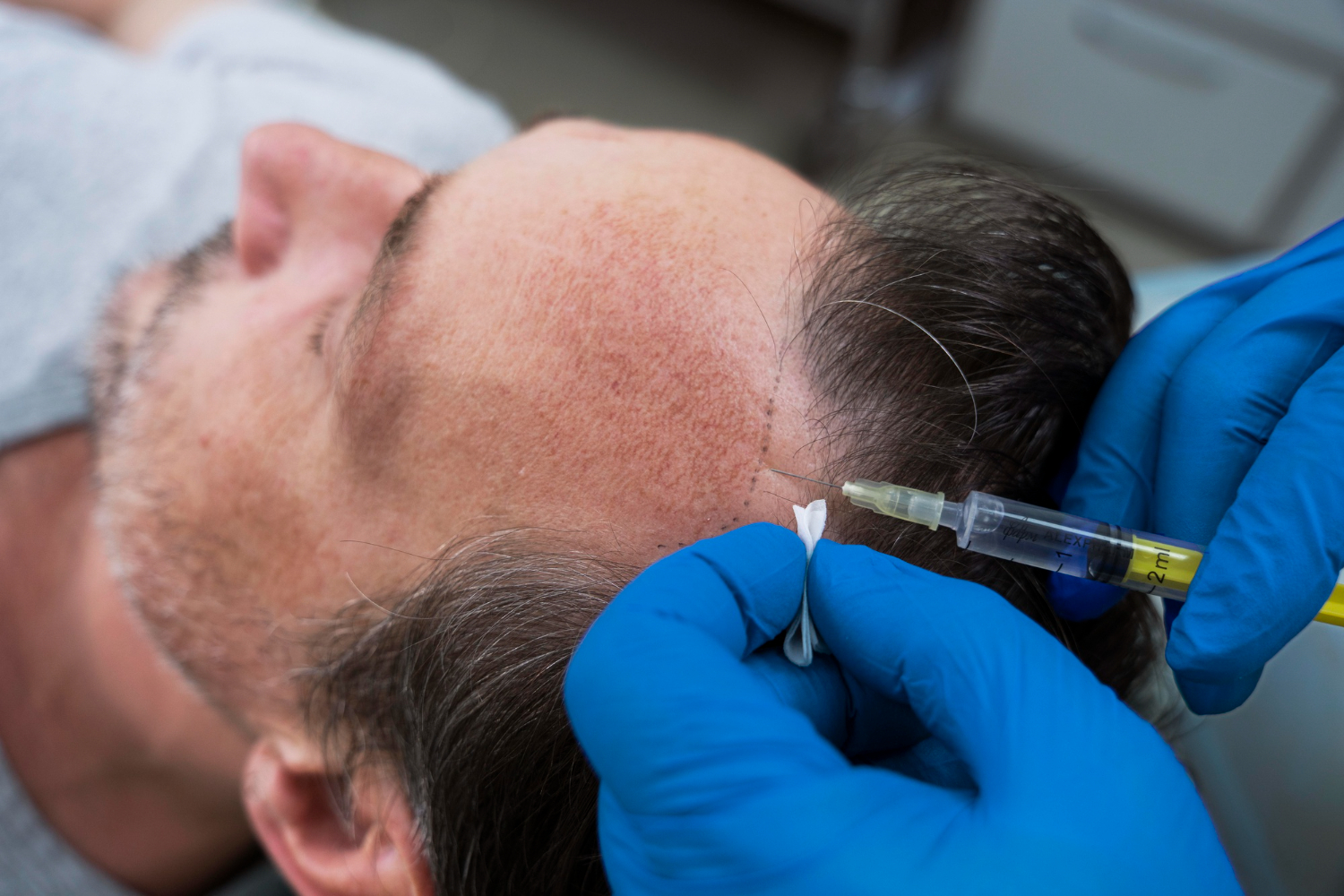
DHI (Direct Hair Implantation) is an advanced hair restoration technique designed to restore thinning or lost hair and create a natural-looking hairline and hair density. DHI is a variation of the FUE hair transplantation approach in which individual hair follicles are extracted from the donor area and implanted into the recipient area using a specialized Choi Implanter Pen.
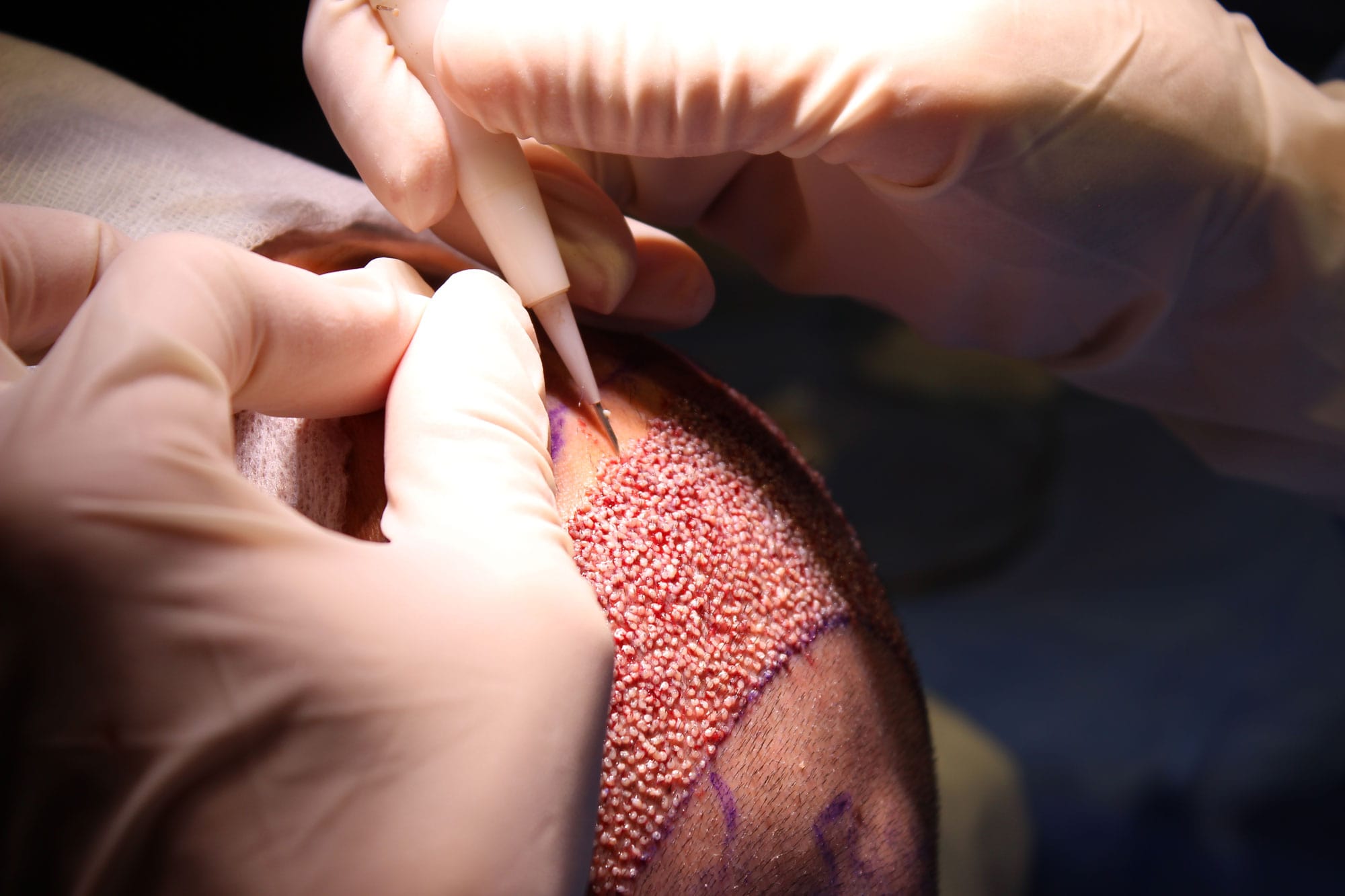
Unlike conventional implantation methods that typically involve preparing recipient sites before placing the grafts, DHI allows the medical team to control the placement of each follicular unit during implantation. This can provide precise control over the angle, direction, depth, and distribution of transplanted follicles.
At Turkeymed in Istanbul, Turkey, we provide personalized DHI hair transplant treatment plans for international patients experiencing hair loss, thinning, receding hairlines, or reduced hair density.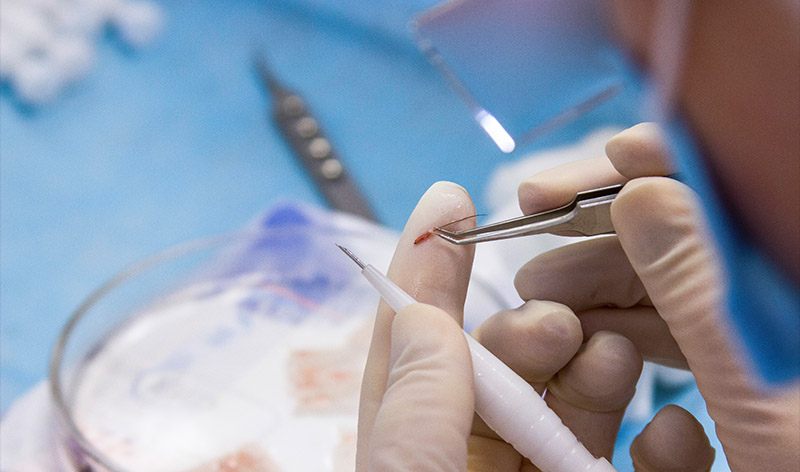
What Is DHI Hair Transplant?
DHI stands for Direct Hair Implantation. The procedure uses individual follicular units taken from a suitable donor area, usually the back or sides of the scalp, and transfers them to areas affected by hair loss.
The extracted follicles are placed into a Choi Implanter Pen and then implanted into the recipient area according to the planned hairline and density.
One of the important advantages of DHI is the level of control available during implantation. The medical team can carefully determine the direction and angle of each graft to help the transplanted hair blend naturally with the patient's existing hair.
DHI can be used for different areas of the scalp, including:
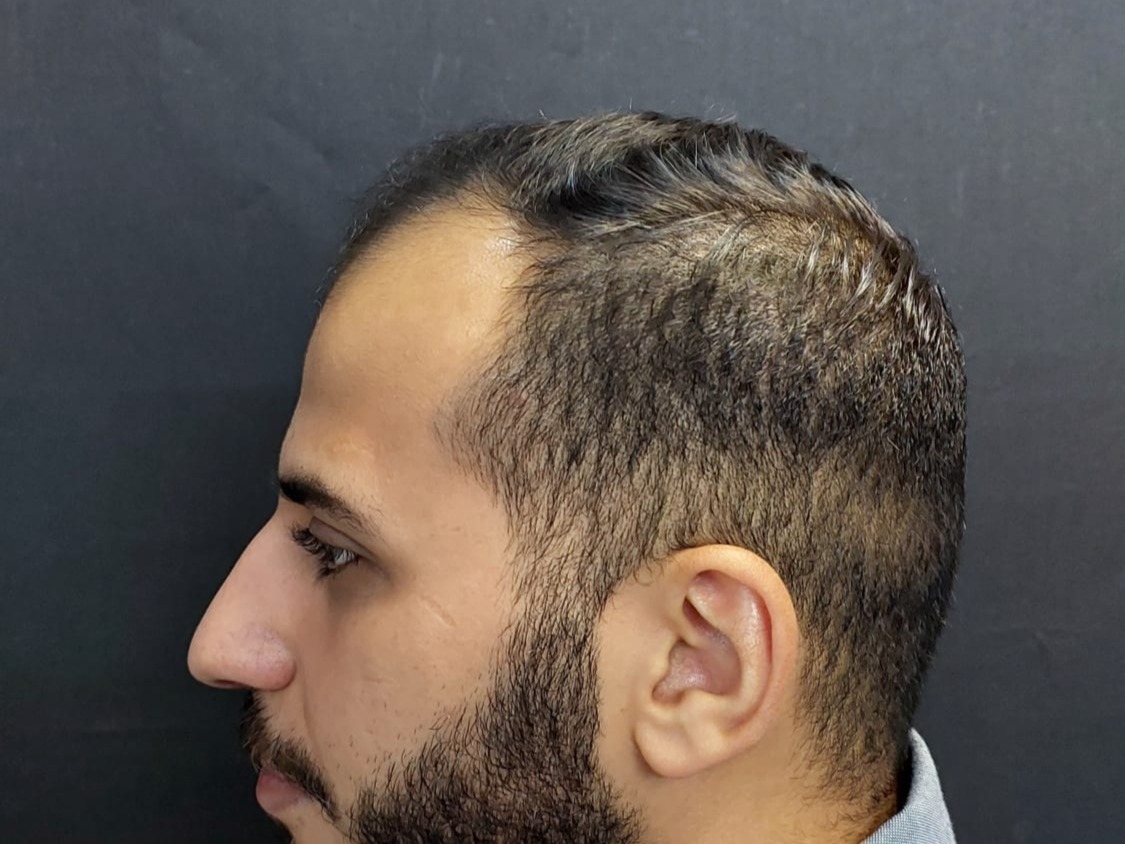
Receding hairlines
Frontal hair loss
Mid-scalp thinning
Crown thinning
Overall hair density
Small areas requiring additional coverage
The exact treatment plan depends on the patient's degree of hair loss, donor hair availability, hair characteristics, and desired result.
How Does the DHI Technique Work?
A DHI hair transplant generally consists of several important stages.
1. Consultation and Hair Analysis
Before the procedure, the medical team evaluates the patient's scalp, hair loss pattern, donor area, hair density, and hair characteristics.
The existing hairline is assessed and a personalized treatment plan is created. The estimated number of grafts depends on the areas requiring coverage and the patient's available donor supply.
The consultation is also an opportunity to discuss expectations and determine whether DHI is an appropriate option.
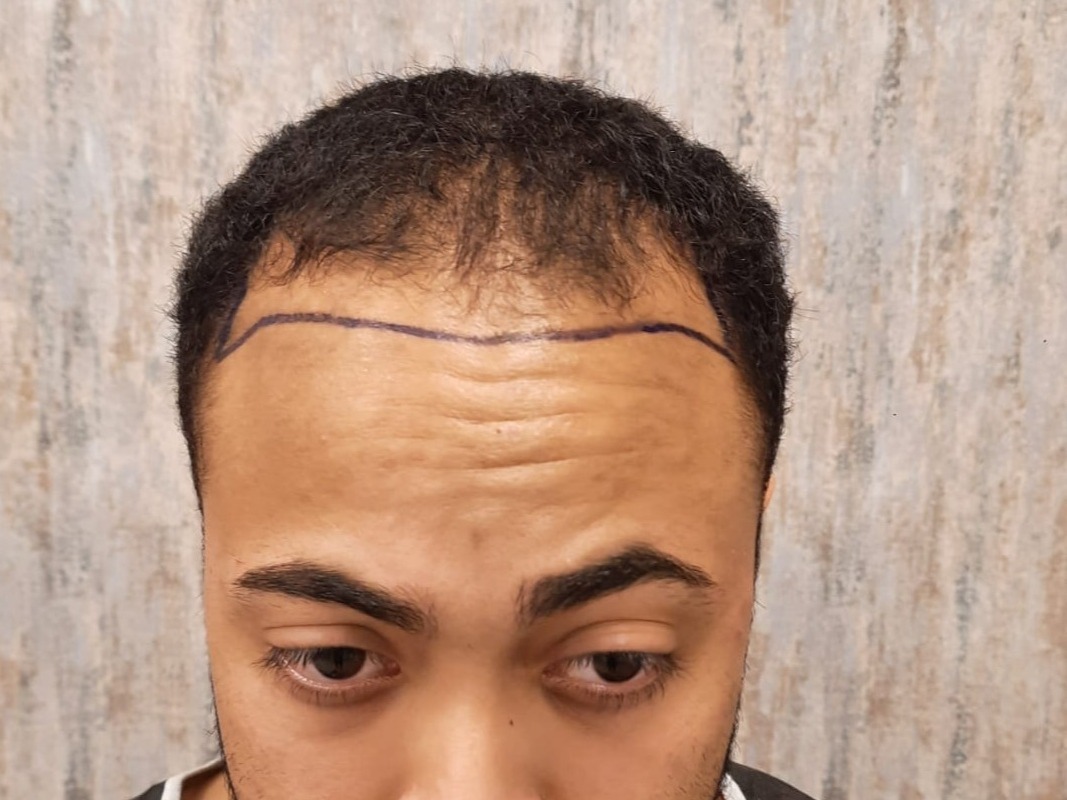
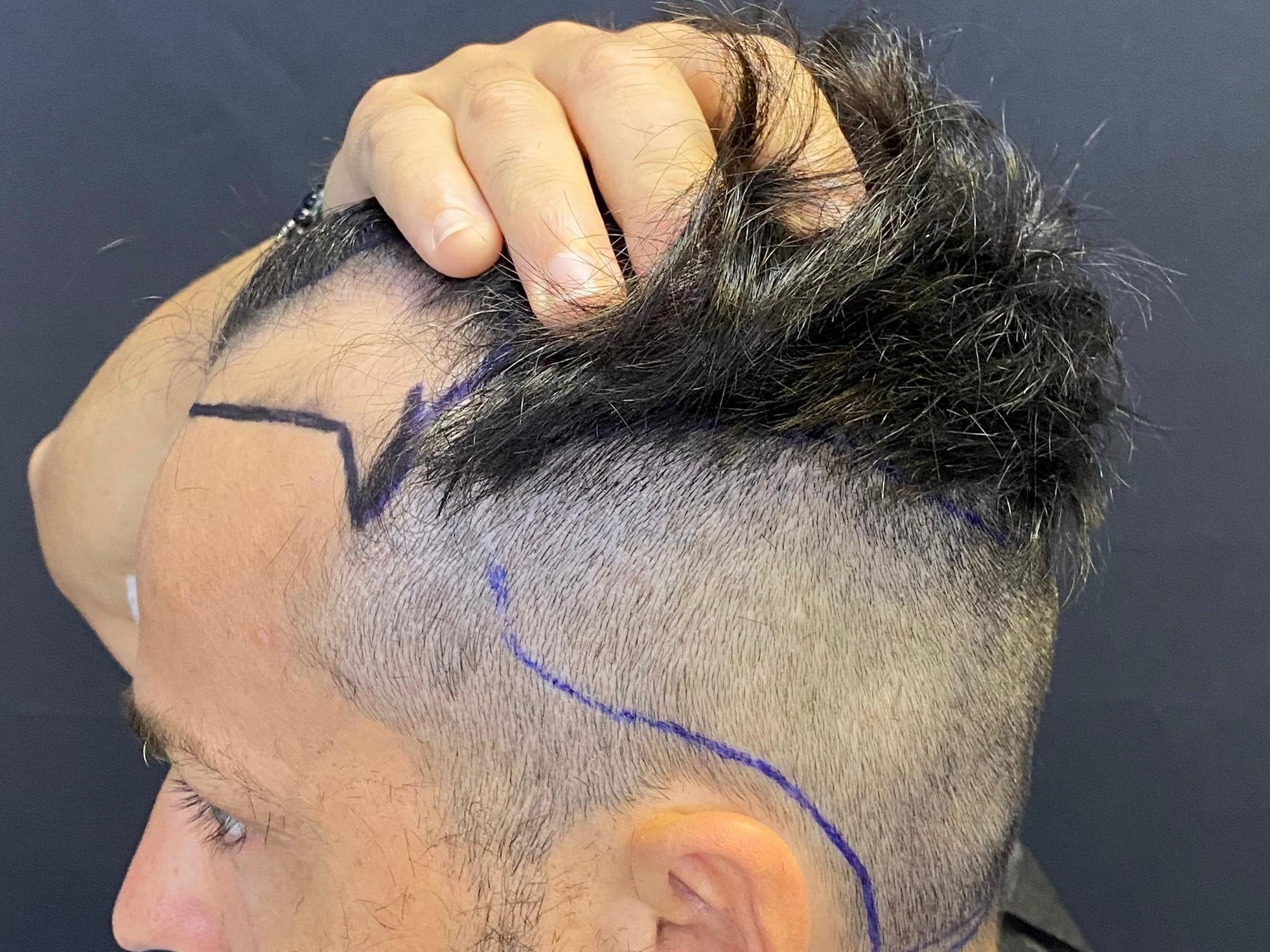
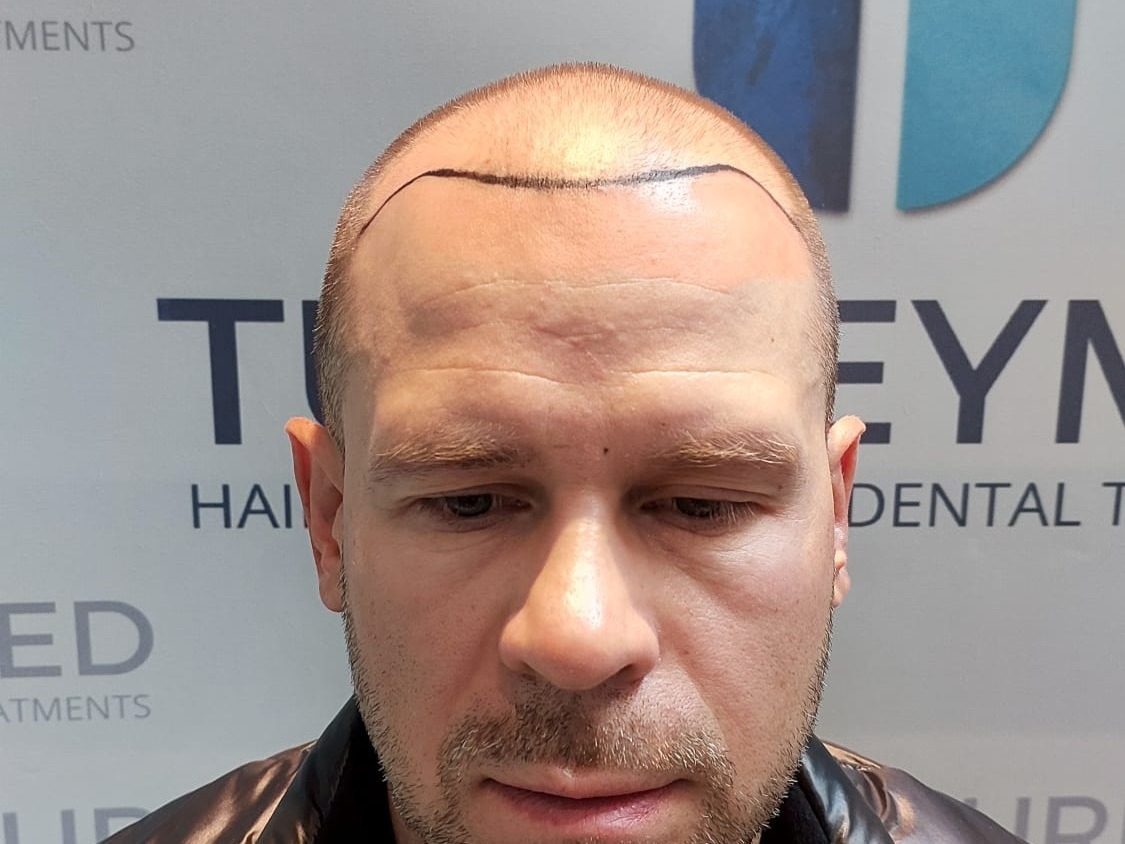
2. Hairline Design
A natural-looking hairline is an important part of a successful hair transplant.
The hairline is designed according to factors such as:
Facial proportions
Age
Existing hairline
Hair density
Donor capacity
Natural hair growth direction
Patient preferences
Rather than creating a straight or artificial-looking line, the goal is to design an irregular and natural transition that integrates with the patient's existing hair.
3. Donor Area Preparation
The donor area is normally located at the back or sides of the scalp, where hair follicles are generally more resistant to the effects of androgenetic hair loss.
The area is prepared before follicular extraction. Local anesthesia is used to minimize discomfort during the procedure.
4. Follicular Extraction
Individual follicular units are carefully extracted from the donor area using a small micro-punch.
The extracted grafts are handled and prepared for implantation. Careful graft handling is important because each follicular unit needs to remain viable throughout the procedure.
5. Direct Implantation
The prepared follicles are loaded into a Choi Implanter Pen.
The implanter pen allows the medical team to place individual grafts directly into the recipient area while controlling their:
Angle
Direction
Depth
Position
Distribution
This level of control is particularly useful when creating a natural hairline or adding density between existing hairs.
6. Recovery and Hair Growth
After implantation, the scalp begins its healing process. Mild redness, swelling, sensitivity, or small scabs may occur during the first days following treatment.
The transplanted hairs may shed during the first few weeks or months. This is a normal stage of the hair growth cycle and does not necessarily indicate graft failure.
New hair growth usually begins gradually after several months, with the result continuing to mature over time.
Benefits of DHI Hair Transplant
DHI offers several potential advantages for suitable patients.
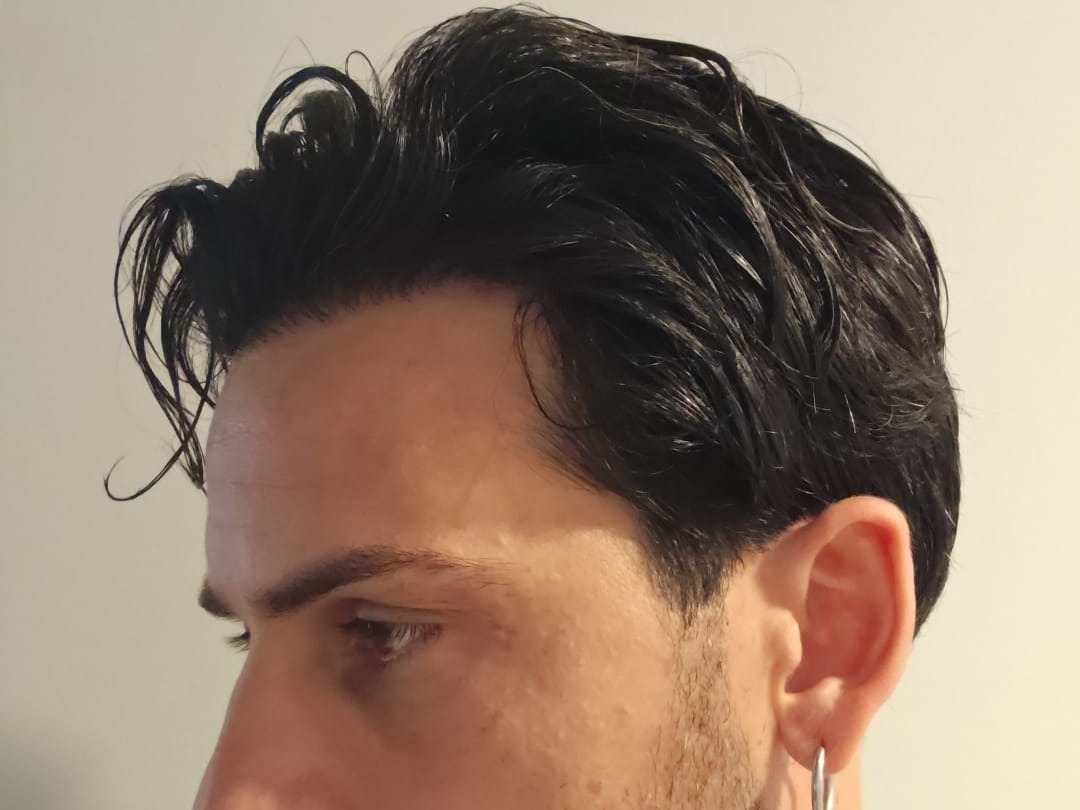
Natural-Looking Hairline
The Choi implanter allows precise placement of individual grafts, which can help create a natural transition between the transplanted and existing hair.
Precise Graft Placement
The implantation process provides control over the angle, direction, and depth of each follicular unit.
No Linear Surgical Scar
DHI uses individual follicular extraction rather than a strip-extraction technique. Therefore, it does not create the linear scar associated with FUT surgery. Small extraction points may still be present in the donor area and normally become less noticeable as they heal.
Minimal Downtime
DHI is minimally invasive, and many patients can return to light daily activities relatively quickly, depending on their recovery and the nature of their work.
Suitable for Different Areas
DHI can be used for hairline restoration, frontal density, mid-scalp coverage, crown improvement, and selected areas requiring additional density.
Suitable for Men and Women
DHI may be an option for both men and women experiencing certain types of hair loss, provided that they have suitable donor hair and are medically appropriate candidates.
DHI vs FUE Hair Transplant
DHI and FUE are closely related techniques rather than completely separate methods of extracting hair.
In both procedures, individual follicular units are extracted from the donor area. The main difference is the way the extracted grafts are implanted.
With conventional FUE, recipient sites are generally prepared before the grafts are inserted.
With DHI, the extracted follicles are loaded into a specialized Choi implanter pen and implanted directly into the recipient area.
Feature | DHI | FUE |
|---|---|---|
Follicle extraction | Individual follicles | Individual follicles |
Implantation | Choi Implanter Pen | Prepared recipient sites |
Hairline control | High precision | High precision |
Linear scar | No | No |
Recipient area | Direct implantation | Sites prepared before implantation |
Best use | Precise placement and selected density work | Versatile coverage of larger areas |
The most suitable technique depends on the patient's individual characteristics rather than simply choosing one technique as universally better.
Who Is a Good Candidate for DHI?
DHI may be suitable for patients who:
Have male or female pattern hair loss
Have a receding hairline
Experience frontal or mid-scalp thinning
Want to improve hair density
Have suitable donor hair
Want a natural-looking hairline
Prefer a minimally invasive hair restoration procedure
Have realistic expectations about the outcome
Not every patient is an ideal candidate for DHI. The donor area's density and quality, the extent of hair loss, the cause of hair loss, and the patient's general medical circumstances should be assessed before treatment.
DHI Hair Transplant for Women
DHI can also be considered for women experiencing certain types of hair thinning or reduced density.
Female hair loss can have different causes and patterns from male pattern baldness. Therefore, identifying the underlying cause and evaluating the donor area are important before deciding on transplantation.
For suitable female patients, DHI can be used to improve selected areas of reduced density while preserving the appearance of the existing hair.
DHI Hair Transplant Recovery
Recovery varies from patient to patient, but the general healing process follows several stages.
First Few Days
Mild redness, swelling, sensitivity, or small scabs can occur around the transplanted area. These effects usually improve gradually.
Patients should avoid touching, rubbing, or scratching the transplanted follicles.
First Week
The scalp begins to heal. Patients should follow the clinic's specific washing and aftercare instructions.
Depending on the medical team's recommendations, strenuous exercise, swimming, sauna use, and activities that cause excessive sweating may need to be avoided temporarily.
Weeks 2–4
Some transplanted hairs may shed. This is commonly referred to as shock loss and can be a normal part of the hair growth cycle.
The follicles remain beneath the skin and may enter a resting phase before producing new hair.
Months 3–4
New hair growth can begin to appear. Early hairs may be fine and uneven while the follicles gradually become active.
Months 4–6
Hair growth becomes more noticeable and density gradually improves.
Months 6–9
The transplanted hairs continue to thicken and mature, creating a fuller appearance.
Months 9–12
The majority of the visible result is typically established around this period. Some patients may continue to experience hair maturation beyond 12 months.
When Will I See the Final DHI Result?
Hair transplantation is a gradual process rather than an immediate transformation.
Although some early growth may become visible after several months, the transplanted hairs need time to develop their normal thickness and texture.
Most patients can expect substantial improvement between 6 and 12 months, while final maturation may continue beyond 12 months depending on individual growth characteristics.
Results vary according to factors such as donor hair quality, graft survival, hair characteristics, age, existing hair loss, and individual healing.
Is DHI Hair Transplant Permanent?
The transplanted follicles are taken from the patient's own donor area and are intended to provide long-term hair growth.
However, a hair transplant does not stop the progression of untreated hair loss in other areas of the scalp. Existing non-transplanted hair may continue to thin over time.
For this reason, a medical assessment and long-term hair-loss management plan can be important, particularly for patients with progressive pattern hair loss.
DHI Hair Transplant Cost in Turkey
The cost of a DHI hair transplant in Turkey varies depending on several factors, including:
Number of grafts required
Extent of hair loss
Treatment area
Donor hair availability
Medical assessment
Clinic and medical team
Accommodation and travel requirements
Additional treatments included in the package
Turkey is a popular destination for international hair restoration patients because treatment packages can be more affordable than in many Western European countries, the UK, Australia, and the USA.
At Turkeymed, each patient receives an individualized treatment plan and quotation following an assessment of their hair loss and donor area.
Why Choose Turkeymed for DHI Hair Transplant?
At Turkeymed, we focus on personalized treatment planning for international patients traveling to Istanbul for hair restoration.
Our DHI hair transplant service includes:
Personalized hair and donor area assessment
Natural hairline design
DHI hair transplantation
Experienced medical team
Modern clinical environment
Individualized graft planning
Post-operative instructions
Follow-up support
International patient assistance
Depending on the selected package, additional services may include hotel accommodation, airport transfers, clinic transfers, medication, hair care products, and other patient-support services.
Our goal is to make the entire treatment journey as organized and comfortable as possible, from the initial consultation through the recovery period.
Start Your DHI Hair Transplant Journey
If you are considering a DHI hair transplant in Turkey, the first step is to have your hair loss and donor area evaluated.
Send Turkeymed clear photographs of your front, top, crown, and donor areas for an initial assessment. Our team can review your case, discuss your goals, estimate the required graft range, and explain the available treatment options.
Contact Turkeymed today for your personalized DHI hair transplant consultation in Istanbul.